
Reliable power supply is essential for facilities that cannot tolerate unexpected interruptions. Industrial plants, commercial buildings, and data centers often require fast and seamless power transfer between different power sources to maintain continuous operation.
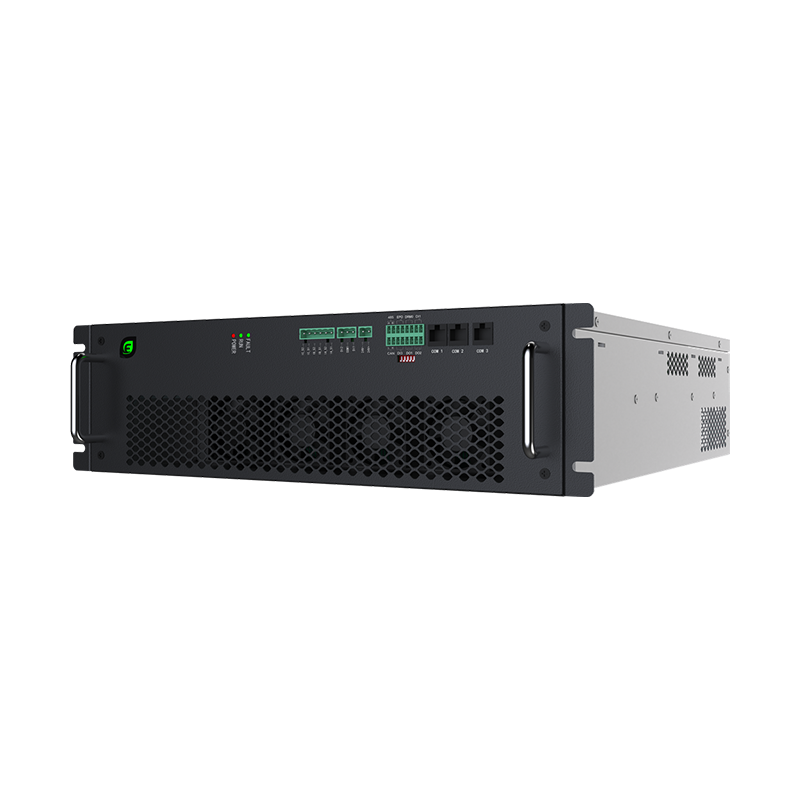
A static transfer switch is designed to automatically transfer electrical loads between two independent power sources without relying on mechanical switching components. For mid-size facilities with higher power requirements, a 500kW STS provides a practical solution for improving power reliability and supporting critical loads.
Understanding the applications, technical characteristics, and selection factors of a 500kW STS helps facility operators build a more stable power infrastructure.
What Is a 500kW Static Transfer Switch?
A 500kW STS is a high-capacity power transfer device designed to switch critical loads between two available power sources. Unlike traditional mechanical transfer switches, it uses power semiconductor technology to achieve fast switching performance.
The main purpose of an STS is to reduce the risk of power interruption when the primary power source experiences problems. If one power supply becomes unstable or unavailable, the STS can quickly transfer the load to the alternative source.
This capability is particularly important for facilities where even short power interruptions may affect production processes, IT systems, or business operations.
A modern static transfer switch typically includes control systems, monitoring functions, protection features, and switching components designed for continuous operation in demanding environments.
For mid-size facilities, a 500kW capacity provides a balance between power capability and system flexibility. It is suitable for applications that require reliable power transfer without the complexity of larger utility-scale systems.
Main Applications of 500kW STS Systems
One of the most common applications of a 500kW STS is in data centers. These facilities rely on continuous electricity to maintain servers, storage systems, and network equipment.
A data center static transfer switch helps improve power redundancy by allowing critical IT loads to switch between different power sources. For example, a data center may use utility power as the primary source and UPS-supported power as the backup source.
When an electrical issue occurs, the STS can transfer the load to the alternative source quickly, helping maintain stable operation and reducing the risk of service disruption.
Beyond data centers, 500kW STS systems are also used in manufacturing facilities, healthcare buildings, research centers, and commercial infrastructure. These environments often contain equipment that requires a stable power supply and cannot easily tolerate downtime.
Industrial automation systems, production lines, and precision equipment may experience operational problems when power quality or availability changes. An STS provides an additional layer of protection by improving power source flexibility.
How 500kW STS Improves Power Reliability
The main advantage of an STS is its fast transfer capability. Traditional switching equipment may require mechanical movement, while semiconductor-based switching enables much faster response.
This rapid transfer helps protect sensitive electrical loads from interruptions caused by power source failures, voltage problems, or maintenance activities.
Another benefit is improved power source management. Facilities often use multiple energy sources, such as utility connections, UPS systems, generators, or energy storage systems. An STS allows operators to manage these sources more effectively.
For modern facilities, combining STS technology with energy storage and intelligent power management can create a more resilient electrical system. This approach supports both reliability and operational efficiency.
Enjoypowers develops power conversion and energy management solutions designed for industrial and commercial applications. The company’s STS modules are designed to support reliable power transfer requirements in systems where continuity is important.
Key Specifications to Consider When Selecting a 500kW STS
When choosing a 500kW STS, facility operators should evaluate several technical factors to ensure compatibility with their electrical system.
The first consideration is rated power capacity. A 500kW STS should match the facility’s actual load requirements while allowing appropriate operational margins. Selecting a system with insufficient capacity may create reliability risks during peak demand periods.
Switching speed is another important specification. Critical facilities should evaluate how quickly the STS can transfer loads between power sources, especially when supporting sensitive electronic equipment.
Voltage and current compatibility must also be considered. The STS needs to match the facility’s electrical infrastructure, including voltage levels, frequency requirements, and distribution design.
Control and monitoring functions are also valuable for modern applications. Advanced STS systems may provide real-time operating information, fault detection, and communication capabilities that help operators manage power systems more effectively.
For facilities with future expansion plans, scalability should also be reviewed. A well-designed system should support changing power requirements as equipment capacity increases.
Why Data Centers Need Advanced Static Transfer Technology
Data centers have some of the strictest power reliability requirements because their operations depend on continuous electricity. Server downtime can affect digital services, business processes, and customer experiences.
A data center static transfer switch provides an additional reliability layer by enabling fast transfer between independent power sources. This is especially useful in facilities using redundant power architectures.
Modern data centers often combine utility power, UPS systems, backup generators, and energy storage technologies. Coordinating these different power sources requires reliable switching and control equipment.
A properly selected STS helps ensure that critical loads receive stable power under different operating conditions. It also supports maintenance flexibility because operators can perform work on one power source while keeping loads supplied through another.
As data center power demand continues to grow, high-capacity STS solutions are becoming increasingly important for maintaining operational stability.
Conclusion
A 500kW STS provides a reliable power transfer solution for mid-size facilities that require continuous operation and improved electrical resilience. By enabling fast switching between power sources, it helps protect critical equipment and reduce the impact of unexpected power events.
Applications such as data centers, industrial facilities, and commercial buildings can benefit from the improved flexibility and reliability provided by a static transfer switch.
When selecting a 500kW STS, organizations should consider power capacity, switching performance, system compatibility, monitoring functions, and future expansion needs.
With the increasing demand for reliable and intelligent power infrastructure, advanced transfer technologies will continue to play an important role in supporting stable energy systems.