Grid-Forming PCS · 1000 Vdc

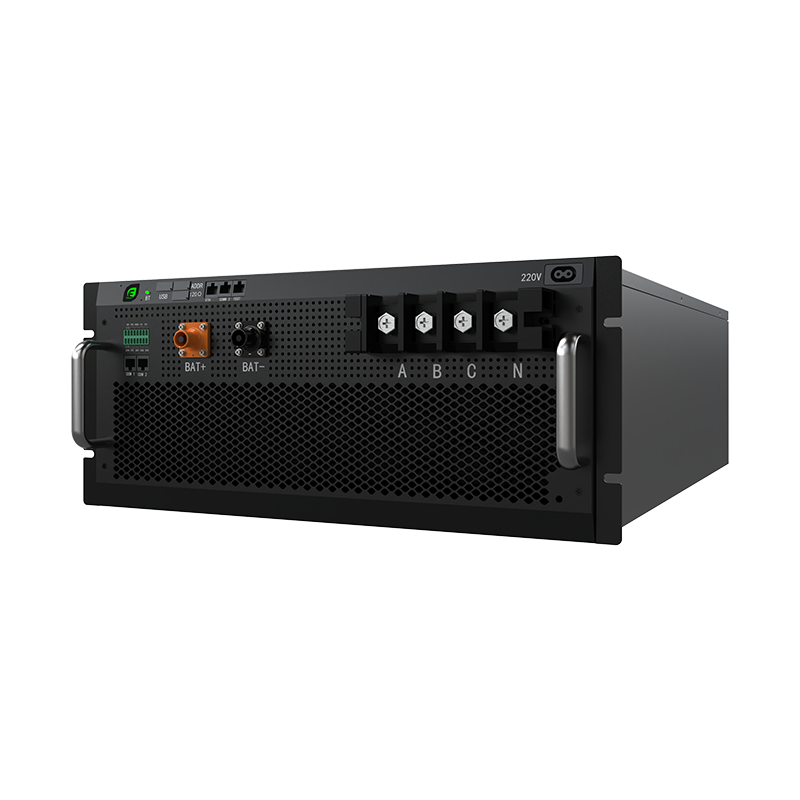
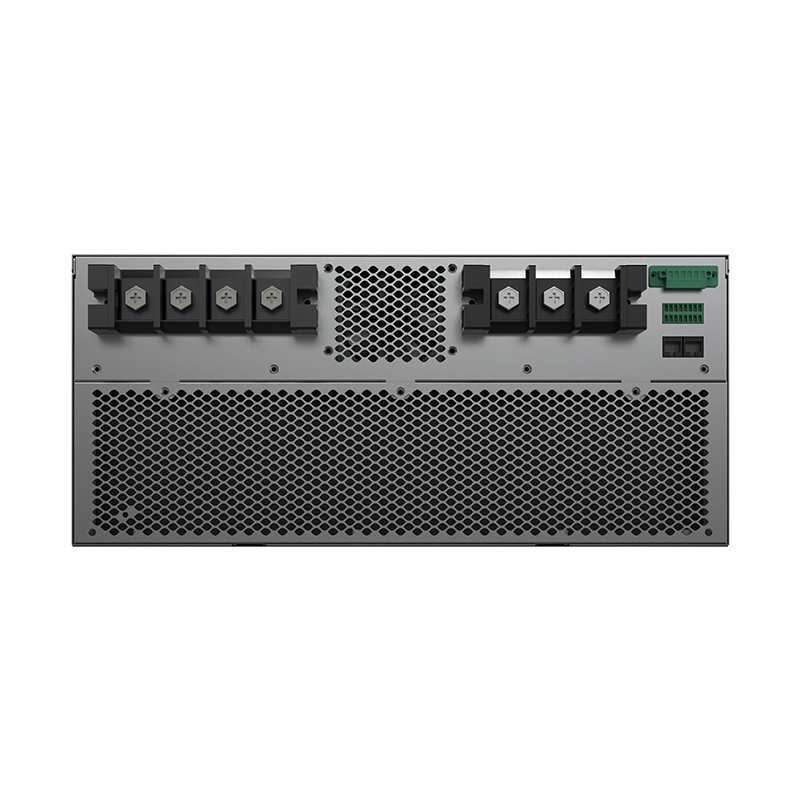
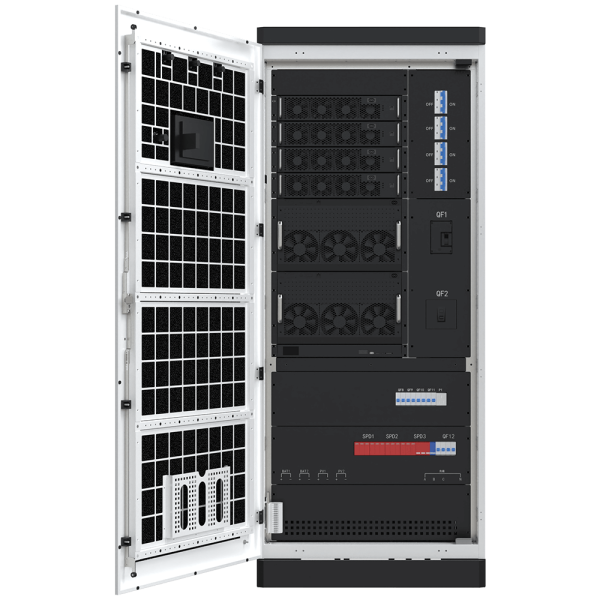
105 / 125 kW bidirectional PCS module.

Three-level grid-forming PCS for C&I energy storage. Supports VSG control, 100% unbalanced load, 12-unit comms-less parallel.
Ranked #1 in China · 100–125 kW segment
2024&2025 · per Gaogong Industrial Research
Core Capabilities

Four capabilities. Four problems solved.

Every feature below addresses one of the pains above — not with a spec sheet claim, but with field-validated control engineering.

Grid-forming VSG control

Virtual Synchronous Generator control establishes voltage and frequency from the battery side — no reliance on an external reference. Supports black start, seamless on/off-grid transfer in <20 ms, and stable multi-unit paralleling without communication wiring.

100% three-phase independent control

Each phase is commanded independently — active and reactive power set separately per phase. Supports 100% unbalanced loads at full rated power, eliminating the “lowest phase wins” derate that cripples symmetric PCS under zero-export rules.

Harsh grid tolerance

Virtual impedance and adaptive damping stabilize against grid THDu up to 30%. Output THDi stays under 3% regardless of input conditions. Rides through voltage sags down to 0.1 p.u. and frequency swings of ±5 Hz.

Industrial-grade reliability

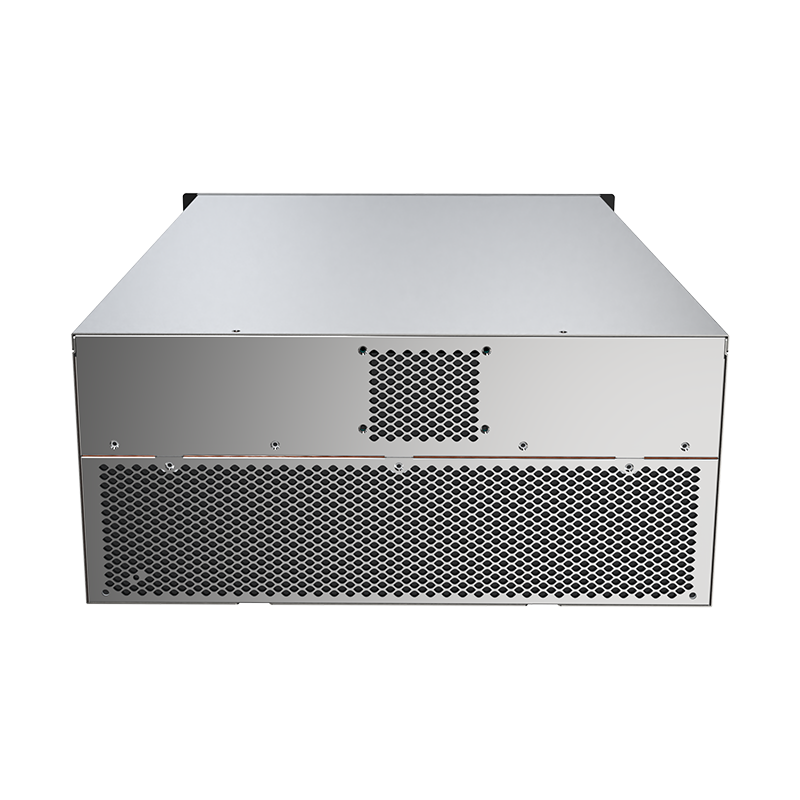
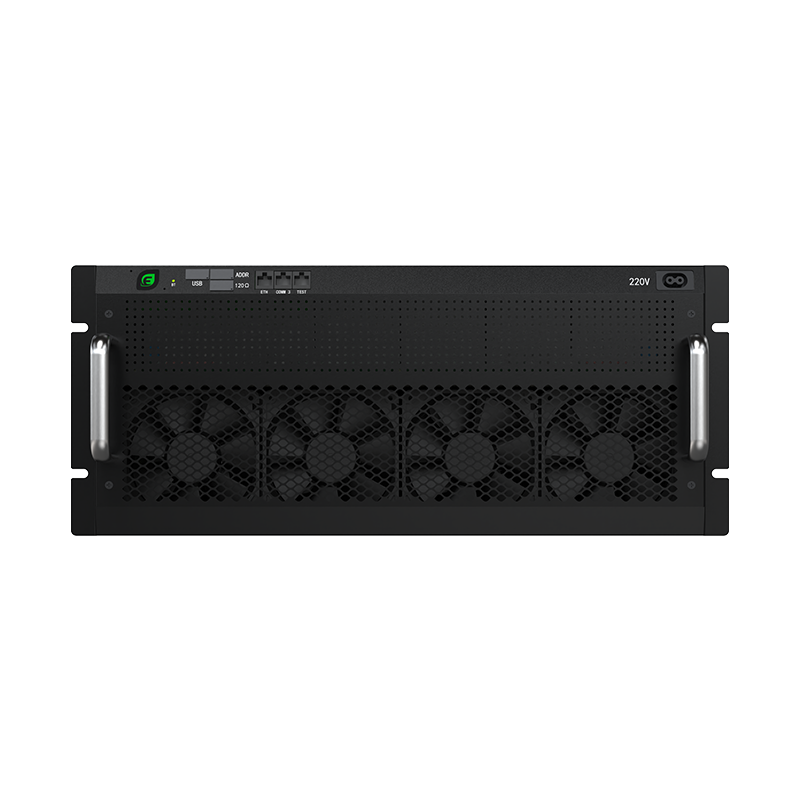
Designed for integration into protected C&I energy storage cabinets, the EPCS105/125-AM(-F) features an IP20 enclosure and intelligent forced-air cooling. It operates from –30 °C to +55 °C, with output power derating above +45 °C. Its modular three-level architecture supports flexible cabinet and system integration. 

KEY SPECIFICATIONS

Key technical specifications.

Organized the way engineers actually read datasheets — input first, output next, grid compliance, protection, physical, environment, and certification last.

Regional
European Grid Compliance Europe EN 50549
Regional
Southeast Asia IEC 61727 / IEC 62116
Germany Germany
France France
Belgium Belgium
Netherlands Netherlands
Switzerland Switzerland
Austria Austria
United Kingdom United Kingdom
Italy Italy
Spain Spain
Portugal Portugal
Greece Greece
Denmark Denmark
Finland Finland
Sweden Sweden
Poland Poland
Czech Republic Czech Republic
Hungary Hungary
Romania Romania
Slovenia Slovenia
Estonia Estonia
Ireland Ireland
Australia Australia
Thailand Thailand
Saudi Arabia Saudi Arabia
Israel Israel
South Africa South Africa
DC parameters
Operating voltage range
615 Vdc – 950 Vdc (3P3W) or 680 Vdc – 950 Vdc (3P4W)
Max DC current
175 A
AC parameters
Rated AC power
105 kW / 125 kW (model-dependent)
Rated AC voltage
400 Vac (3P+N+PE)
Rated frequency
50 / 60 Hz
Grid and control features
Control mode
Grid-forming (VSG/VF) selectable · Grid-following (PQ)
Communication protocols
Modbus TCP/RTU, CAN 2.0B
Physical specifications
Ingress protection
IP20
Cooling
Smart forced air cooling with speed control
System architecture

From modules to microgrid or MW-scale

This PCS isn’t just a box. It’s the core module of a modular system where you combine PCS, STS, and DCDC to build whatever scale of project you’re delivering — from a single cabinet to a megawatt-class container array.

Step 1 Three core modules

The PCS and STS modules can communicate directly with each other—no protocol adapter is needed, enabling automatic on/offline switching. Therefore, combining them is a configuration process, not an integration. PCS, STS, and EMS can all be connected to the EMS, making them suitable for various application scenarios.

Anchor module

105 / 125 kW PCS

Bidirectional AC / DC · VSG grid-forming
+
Companion

STS module

<20 ms seamless transfer
+
Companion

DCDC(MPPT) module

50 / 63 kW PV + battery

Enjoypowers can provide the Modbus TCP/RTU communication protocol for these core modules for control by third-party EMS providers.

Step 2 Custom cabinet configurations

Combine the three modules into the cabinet topology your project needs. Two standard configurations cover >80% of C&I deployments; fully custom builds are available for the rest.

Configuration A

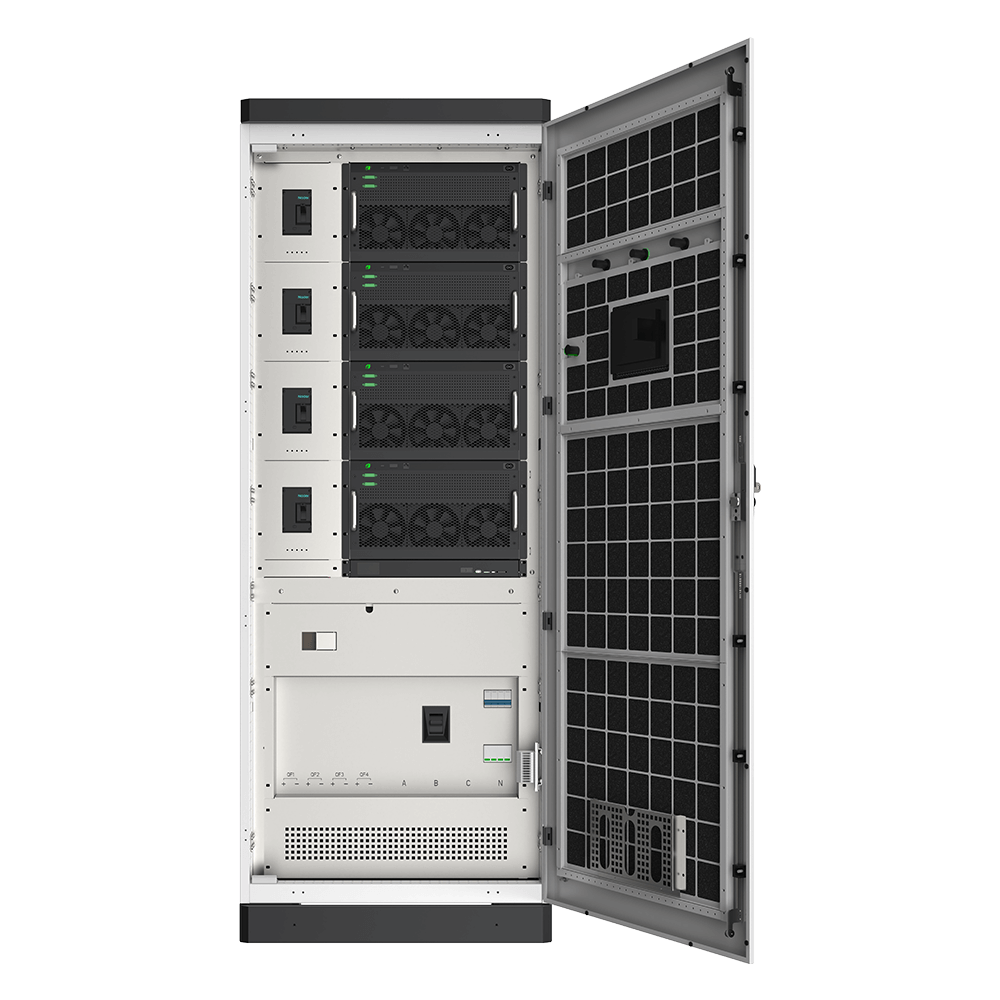
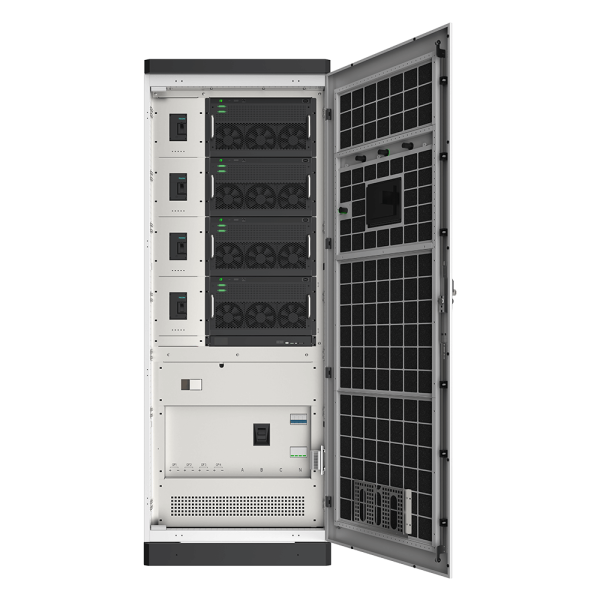
Pure 500kW BESS PCS cabinet

500kW PCS cabinet

4 × 125 kW PCS modules in parallel. 500 kW per cabinet. For peak shaving, capacity expansion, and VPP participation.

Configuration B

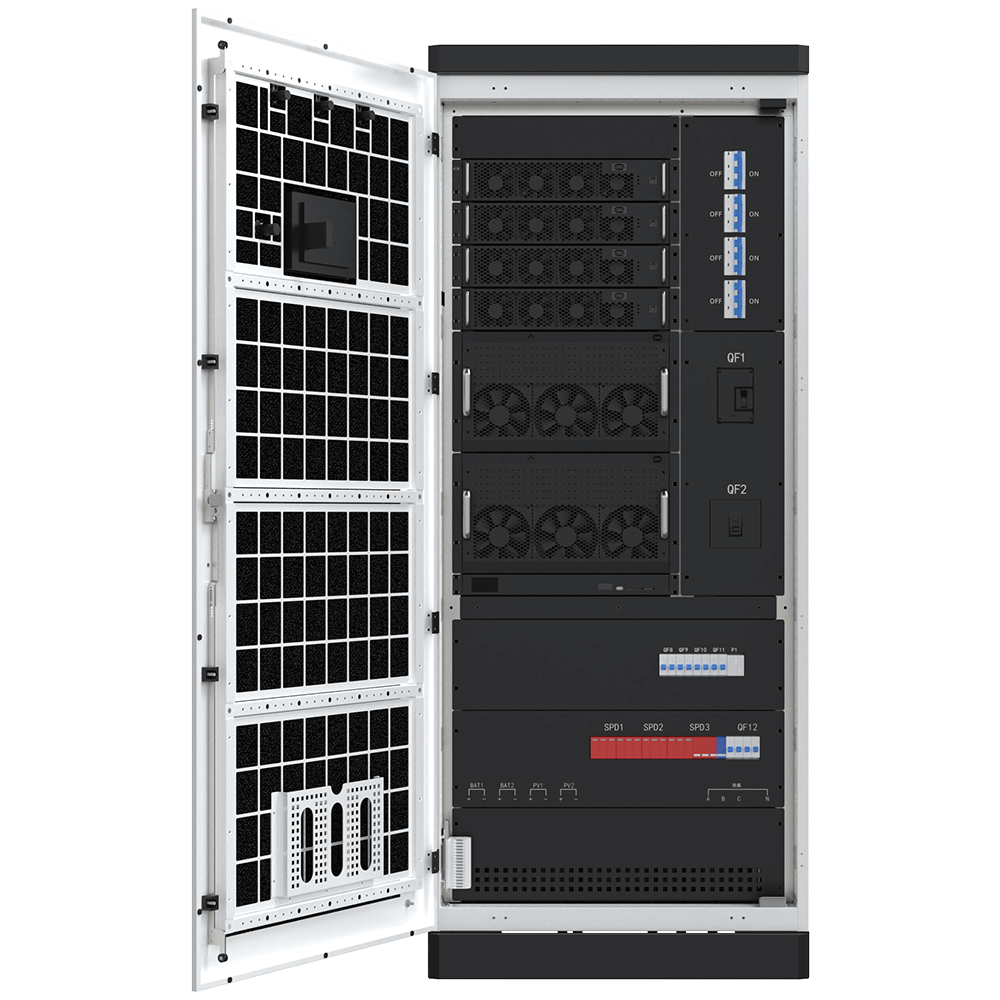
All-in-one microgrid Hybrid cabinet

250kW hybrid PCS

PCS + DCDC + STS in one cabinet. Solar input, battery storage, and on/off-grid transfer in a single footprint. Minimum floor space, minimum field wiring.

Configuration C

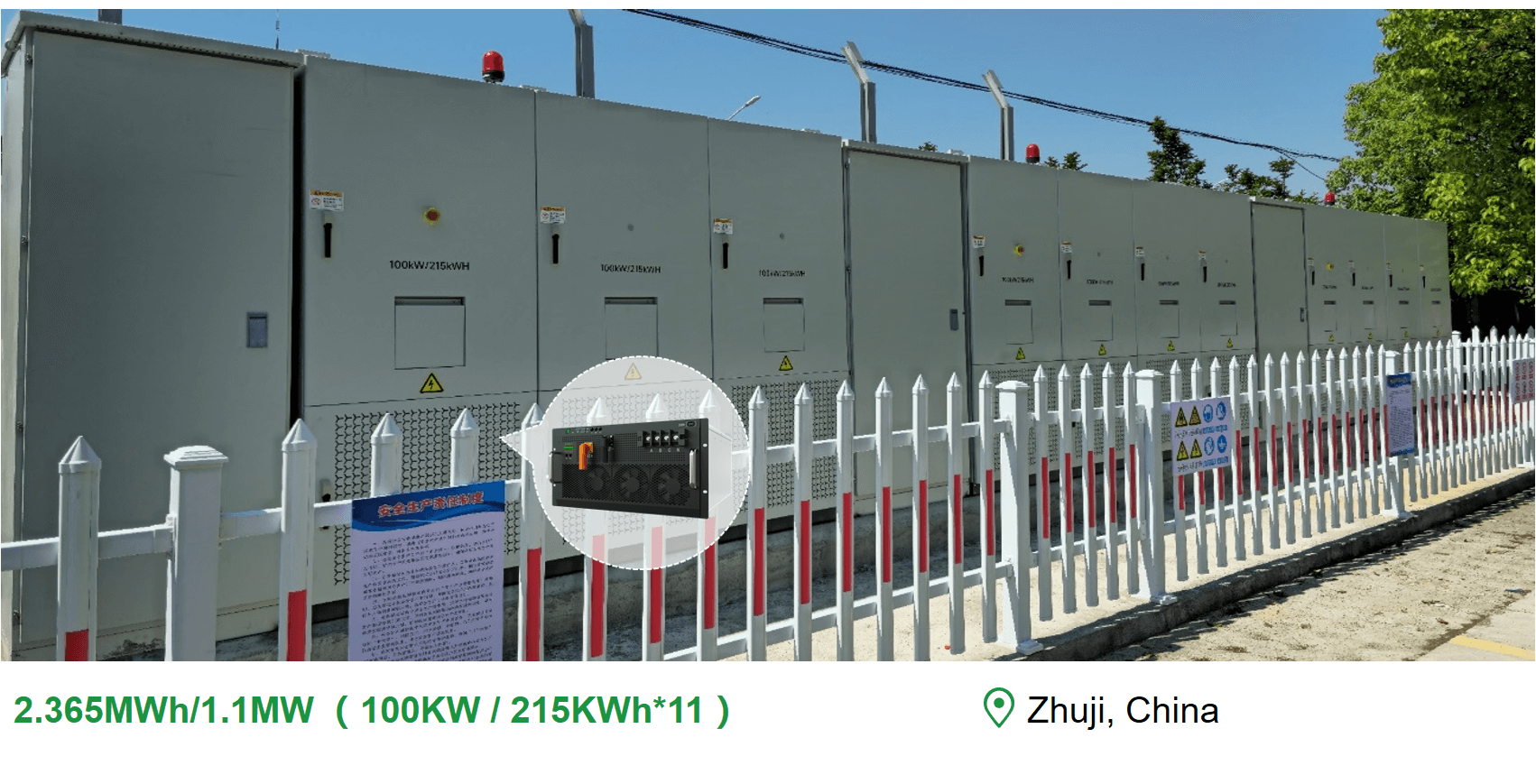
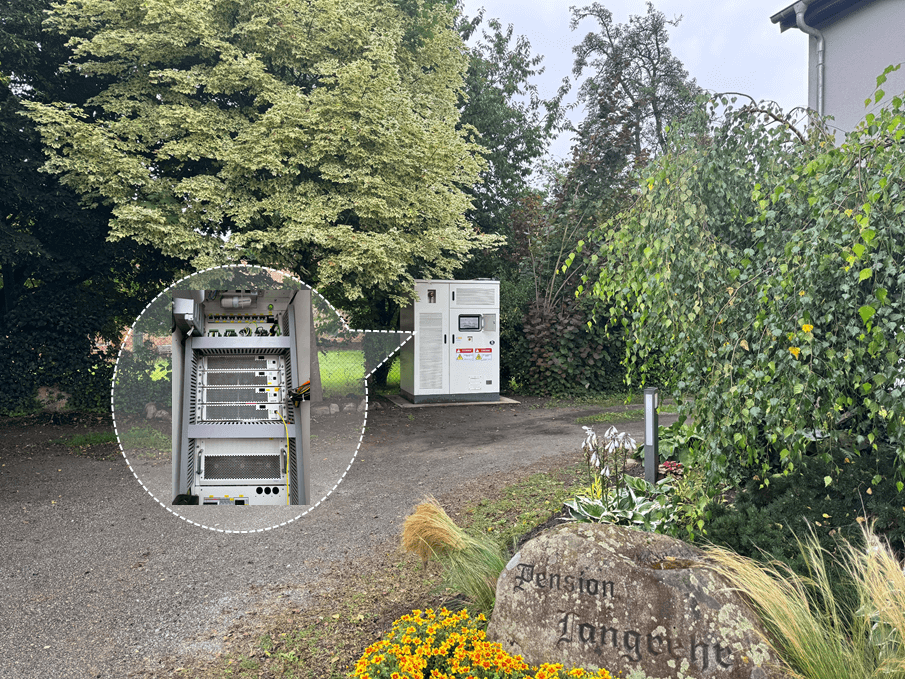
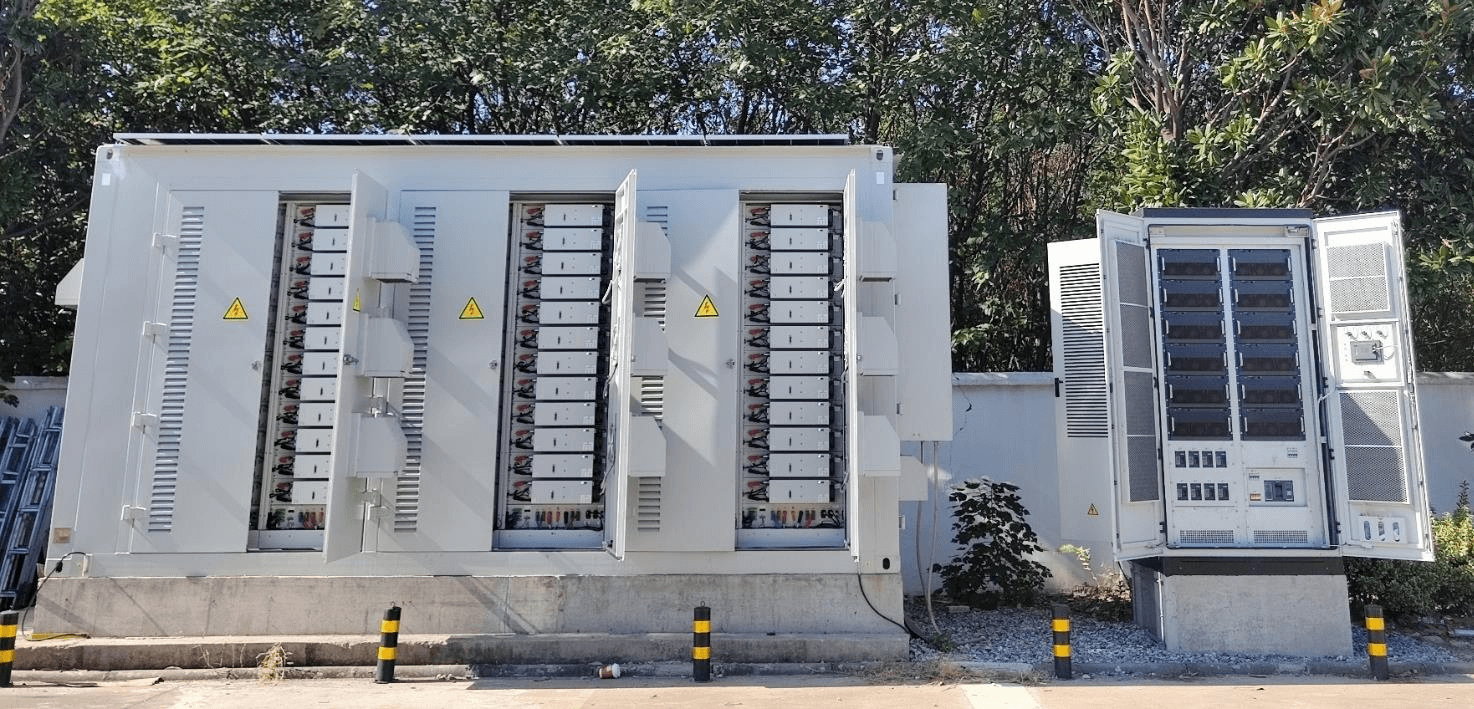
MW-scale container deployment (12 * 105 = 1250kW PCS modules are housed in an IP54 outdoor cabinet)

1.2MW/2.4MWh energy storage system ESS, Enjoypowers 12×105kW PCS placed in an outdoor PCS cabinet

Stack cabinets inside a standardized 20-ft or 40-ft container and you have a site-ready, transportable MW-class building block. Up to 12 PCS modules per container. Units coordinate via VSG without site-level control wiring.


Need a non-standard layout? We build project-specific cabinets from the same module pool — no custom firmware required.
Commissioned at our Shenzhen facility, shipped as a complete pre-tested unit, installed on site in under three days.

Download documents

Compliance & Certifications For CEC

To meet the strict standards of the Australian Clean Energy Council (CEC), we provide all necessary technical documentation and compliance certificates for our Power Conversion Systems (PCS). Please browse and download the required files below to ensure proper installation, configuration, and compliance.

Essential documentation and technical resources for the Australian market.
CEC Approved Datasheet
EPCS Series 100-125K Power Conversion System
PCS User Manual
EPCS Series (100~125K)
Warranty Terms & Conditions
Australia Parameter Settings Explanation
Monitor Parameter User Manual
Engineer FAQ

Questions engineers actually ask.

From procurement shortlists to commissioning — the ten questions we hear most often during technical due diligence.

Up to 12 units under VSG grid-forming control. The virtual synchronous generator algorithm uses grid-side voltage and frequency as the shared reference — units coordinate their power sharing through physics, not messages. This eliminates the single point of failure inherent in communication-based master-slave architectures.

For installations above 12 units, we recommend our EMS as an upper-level coordinator for SOC balancing and energy optimization, not for real-time control. Real-time grid support remains VSG-based.


Does the PCS support black start?


Yes. The PCS can establish a microgrid from zero with no external power reference, starting from stored battery energy. Typical black-start sequence completes in under 3 seconds, with load pickup controlled via inrush-limited ramp. Works standalone or in parallel — in a multi-unit cluster, a single master unit starts first and the remaining units sync in under 500 ms.


The PCS handles 2× rated current for 10 seconds and 3× rated current for 100 ms — enough to ride through most DOL motor starts up to roughly 30% of rated PCS capacity without tripping. For hard-start loads beyond that envelope, parallel operation distributes the surge across multiple units, which is one of the key benefits of the multi-unit topology.

Yes. All three module types share the same firmware layer and communicate natively with the Enjoypowers EMS — no protocol adapters, no separate controllers, no site-level coordination logic to custom-build. This is the whole reason the “one-cabinet microgrid” configuration works: drop in a PCS + DCDC + STS combination, apply power, and the EMS discovers and orchestrates them automatically.

LFP and NMC are supported natively with pre-configured charge profiles. Sodium-ion support is available with a firmware selection — we’ve validated with several sodium-ion battery vendors and can share the specific test reports during pre-sales discussion.

BMS communication supports CAN 2.0B and Modbus RTU. We maintain a compatibility list of battery brands (CATL, BYD, Pylontech, EVE, among others) — ask sales for the latest version.

The PCS maintains stable operation up to THDu 30% on the grid side. Virtual impedance control decouples the output current regulator from grid voltage harmonics, so output THDi stays under 3% regardless of incoming distortion. This is directly inherited from our power quality product line, where harmonic immunity is table stakes.

Under 20 ms with our dedicated STS module. This is fast enough to hold loads that require IEC 62040-3 Class 1 UPS-grade transfer (computers, lighting, most variable-speed drives). Without an STS, transfer uses the PCS’s internal contactor at approximately 100 ms, which is still fine for thermal loads and most industrial equipment.

IP66 enclosure with C5 anti-corrosion coating — deployable in coastal, industrial, and high-humidity environments without additional protection. Full power operation from –30 °C to +50 °C ambient. Above +50 °C the unit derates linearly; thermal protection is guaranteed up to +60 °C.


Altitude: full power up to 3000 m, derated above. For desert or high-altitude projects (tropical coasts, Andes, Himalayas), we have field references — ask for location-specific deployment data.

Factory-configurable to VDE-AR-N 4110, G99, EN 50549, UTE C15-712, CEI 0-21, AS/NZS 4777.2, and NRS 097-2-1 among others. The grid profile is a firmware setting, not a hardware variant — one SKU covers all markets. LVRT/HVRT, frequency response, and reactive power curves update when the profile is selected.

Standard warranty is 1 years, extendable to 5years. Support is delivered through a network of regional service partners in 70+ countries, backed by our Shenzhen engineering team for Tier-2 escalations. Remote diagnostics are included via our EMS; spare-part availability is within 7 days for most regions.

Full service scope and regional partner list available on request.

Application Cases

Related Case Studies​

Explore our real-world case studies to see how our energy Storage solutions empower global industries.

Off-Grid Microgrid + VSG + Communication-Free Parallel + Motor Starting

Off-Grid Microgrid + VSG + Communication-Free Parallel + Motor Starting

From VF to VSG control and from six PCS units to a 12-unit communication-free parallel system, Enjoypowers helped solve complex power-sharing and motor-starting challenges in an off-grid quarry microgrid. Project Overview An off-grid quarry in Africa required a reliable power system capable of supporting continuous industrial production without relying on

Read More »
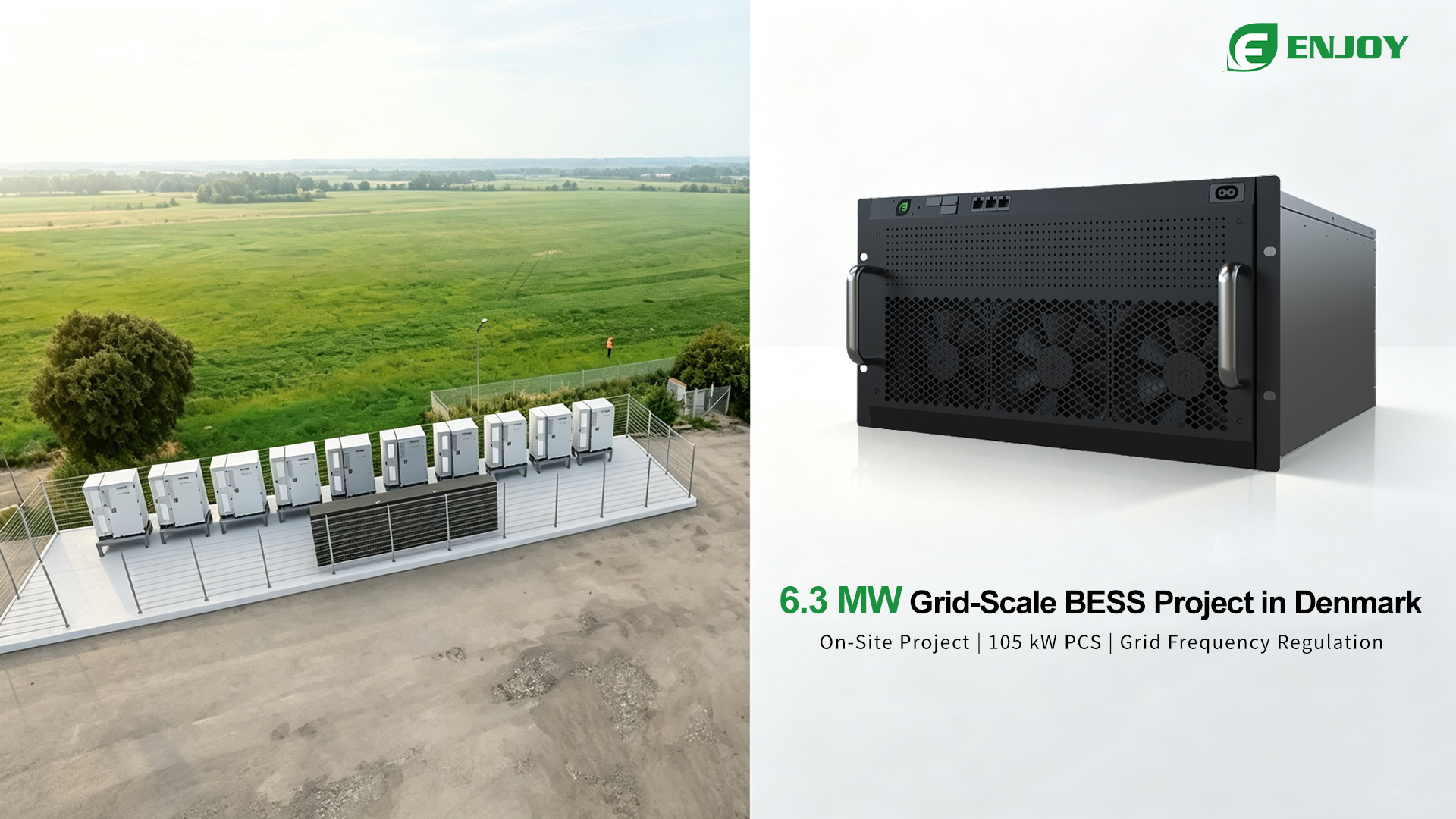
6.3 MW / 6.99 MWh Frequency Regulation BESS in Denmark | Enjoypowers

6.3 MW/6.99 MWh Frequency Regulation BESS in Denmark

60 Enjoypowers EPCS105-AM PCS units support fast-response ancillary services in a 10 kV grid-connected battery energy storage project in Korsør, Denmark. Project Overview Located in Korsør, Denmark, this 6.3 MW / 6.99 MWh battery energy storage system is designed for participation in the Danish ancillary services market. The project was

Read More »

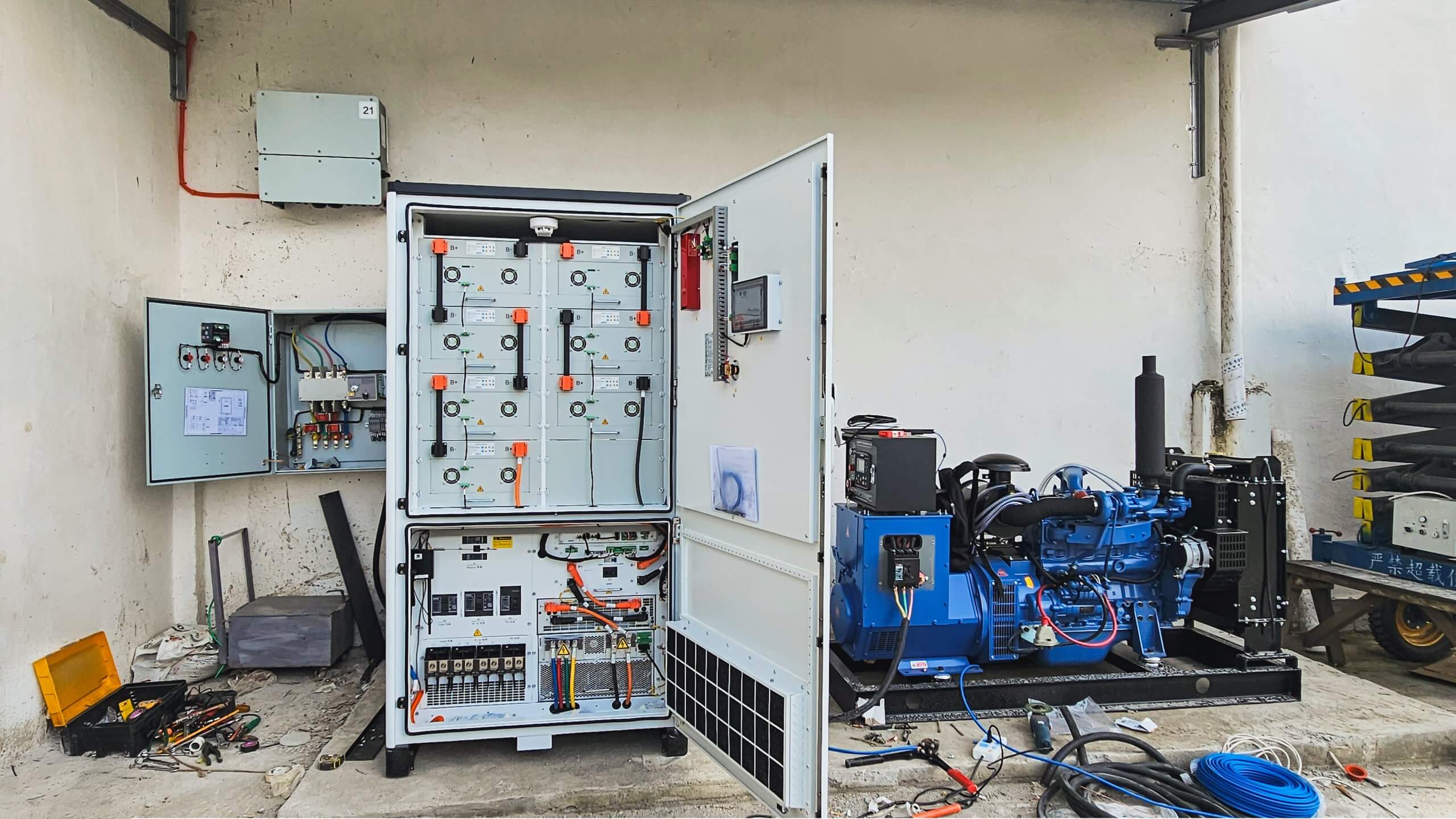
Off-Grid Solar + Storage + Diesel Microgrid in the Philippines

Project Background In many regions across Southeast Asia, grid access is limited or unreliable, creating significant barriers for industrial facilities that require continuous electricity. In the outskirts of Manila, Philippines, a refrigeration equipment factory faced a critical challenge: the site had no access to the utility grid, making stable power

Read More »

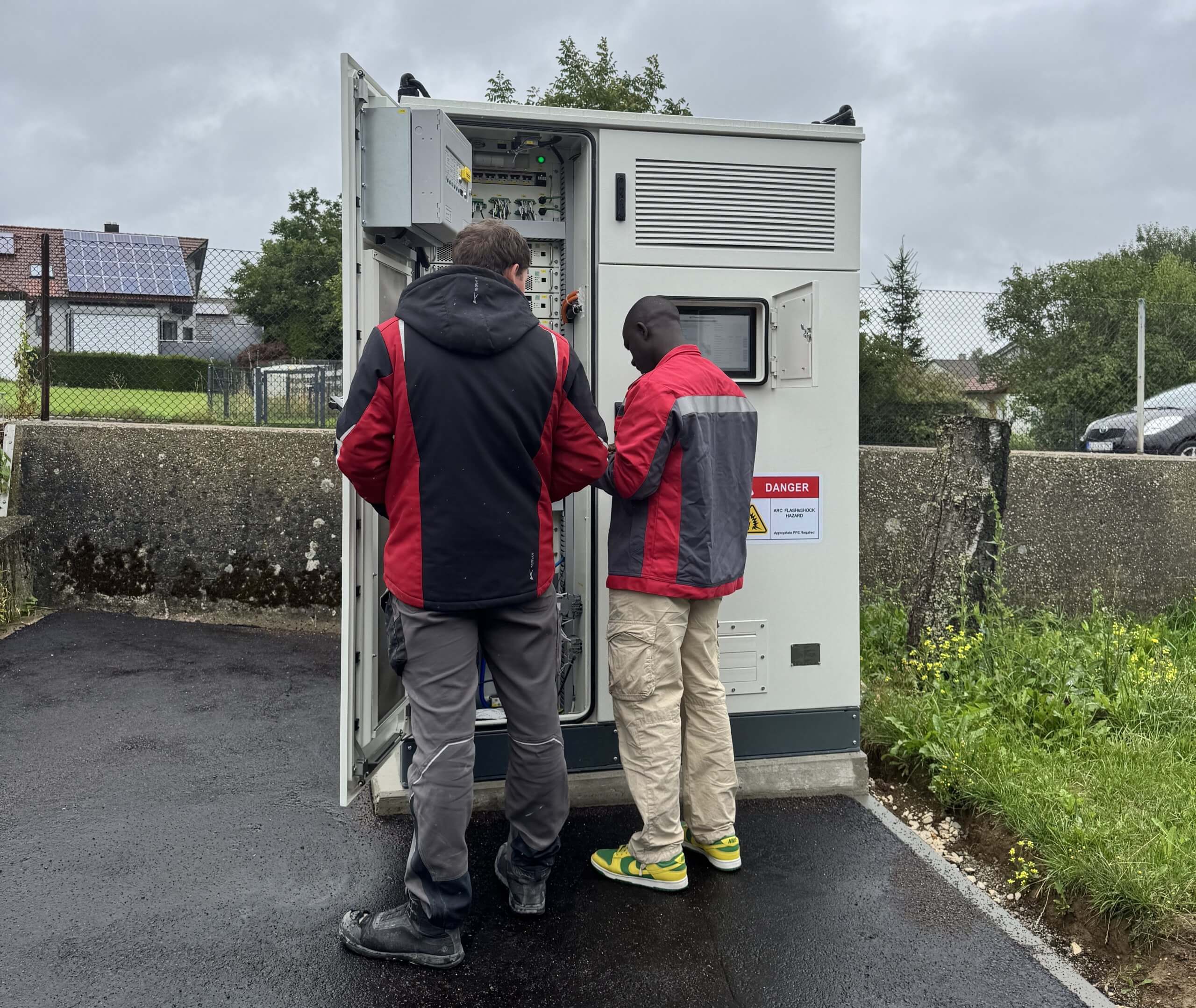
Germany Hamburg Residential Solar-Storage Integration Project

Project Background A residential household in Hamburg, Germany faced challenges with high electricity demand, expensive energy costs, and frequent power outages. To address these issues, the household deployed an integrated solar and energy storage system powered by enjoypowers. This solution effectively reduces electricity costs and ensures a reliable, uninterrupted power

Read More »
Ready to spec it?

Ready to build your system?

Tell us your grid code, load profile, and site constraints. Within 48 hours we’ll come back with a sized system, efficiency curves, a deployment timeline, and a first-pass bill of materials.