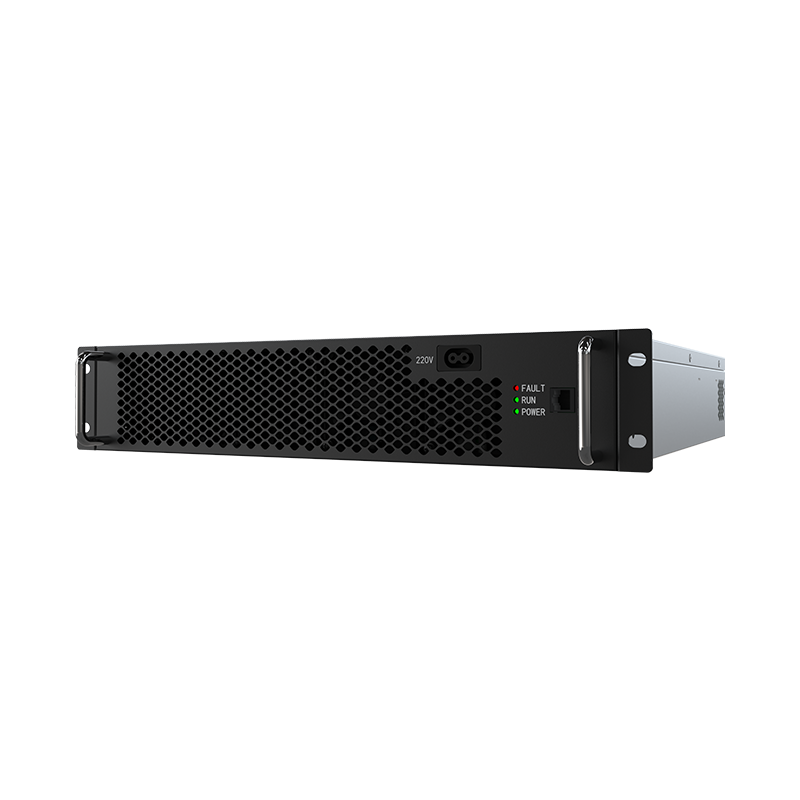
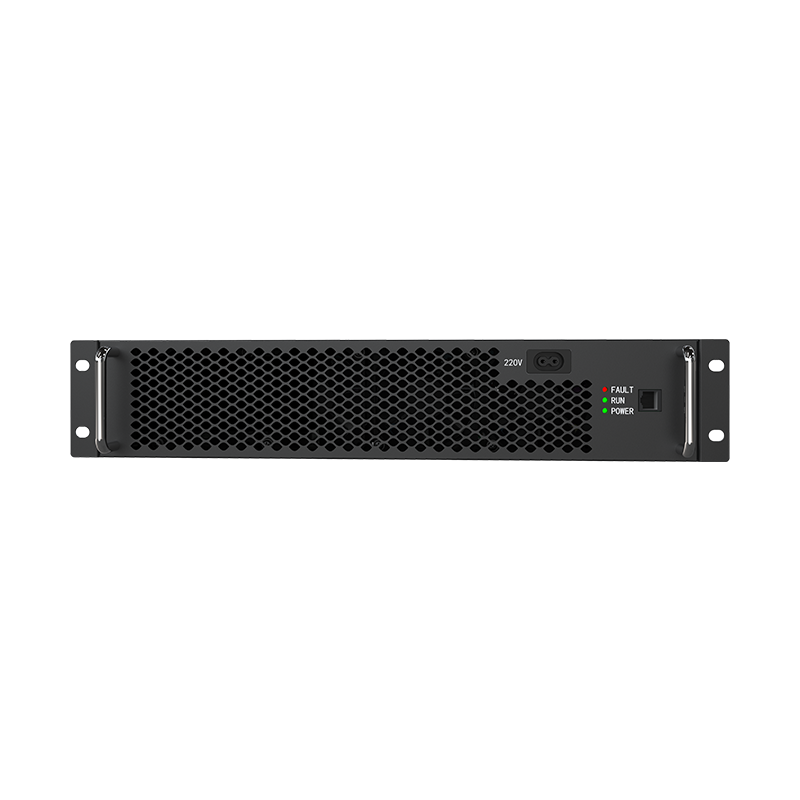
DCDC · MPPT · 1000 Vdc

Bi-directional DCDC for PV, battery, and EV charging.

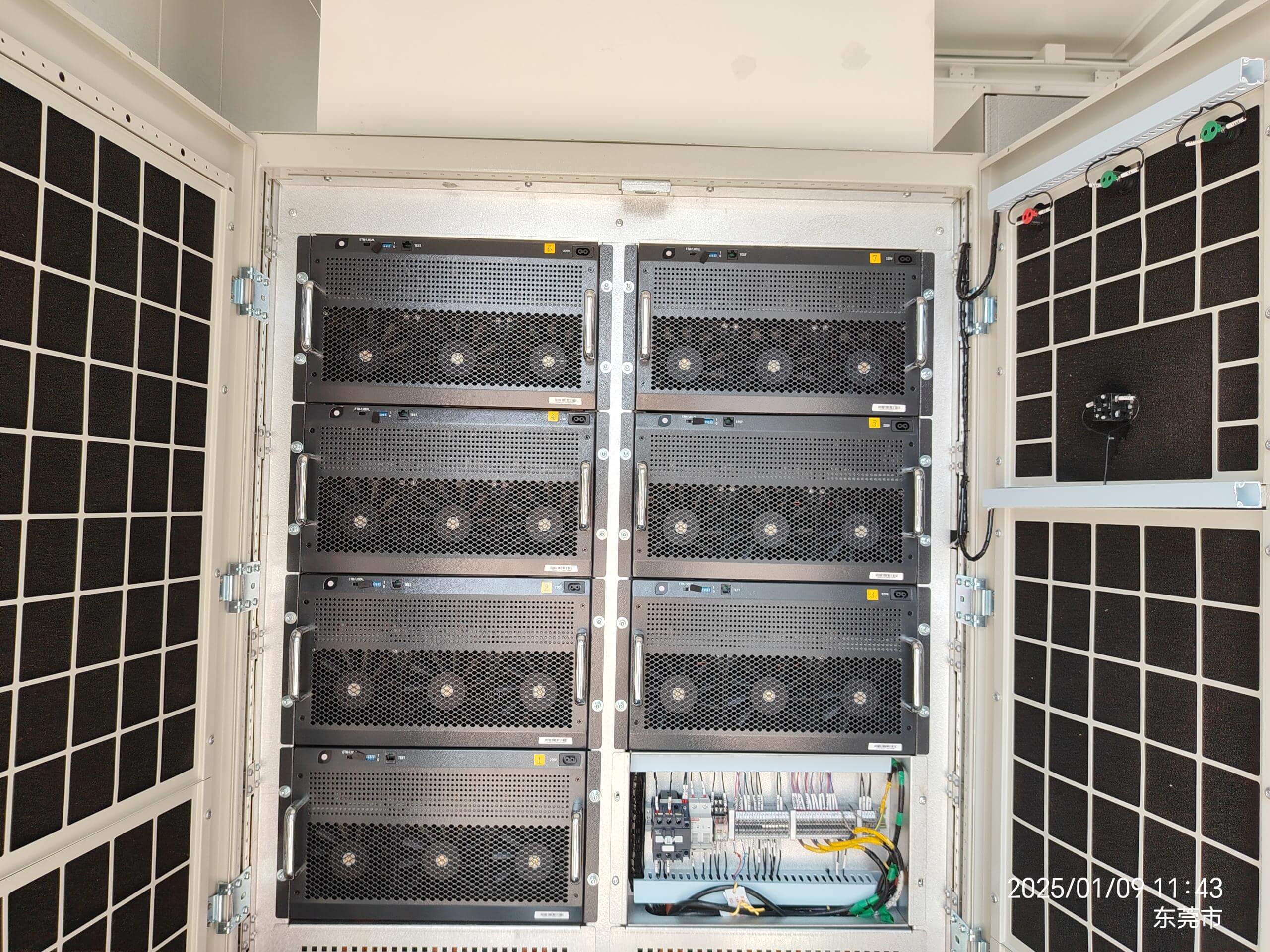
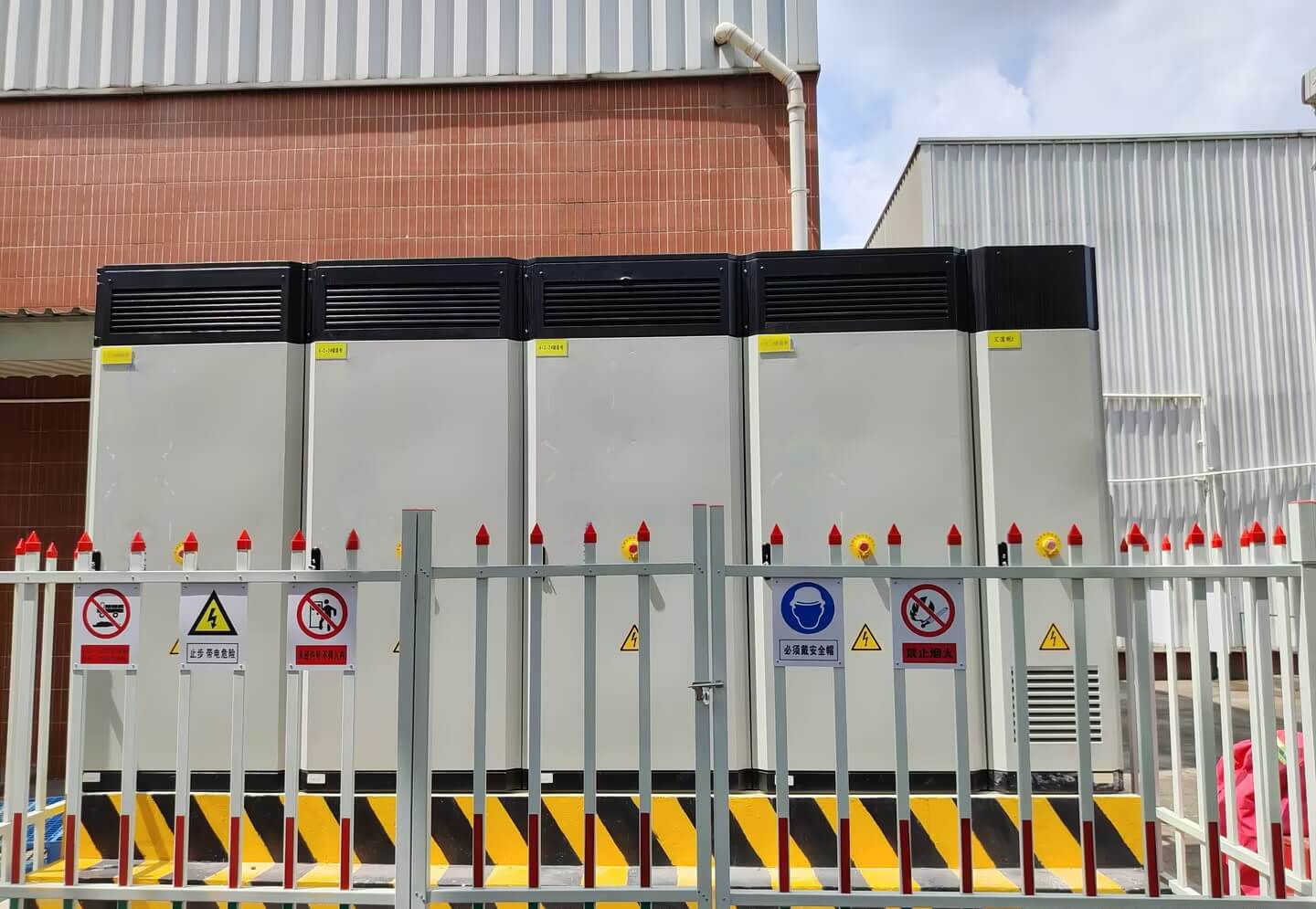
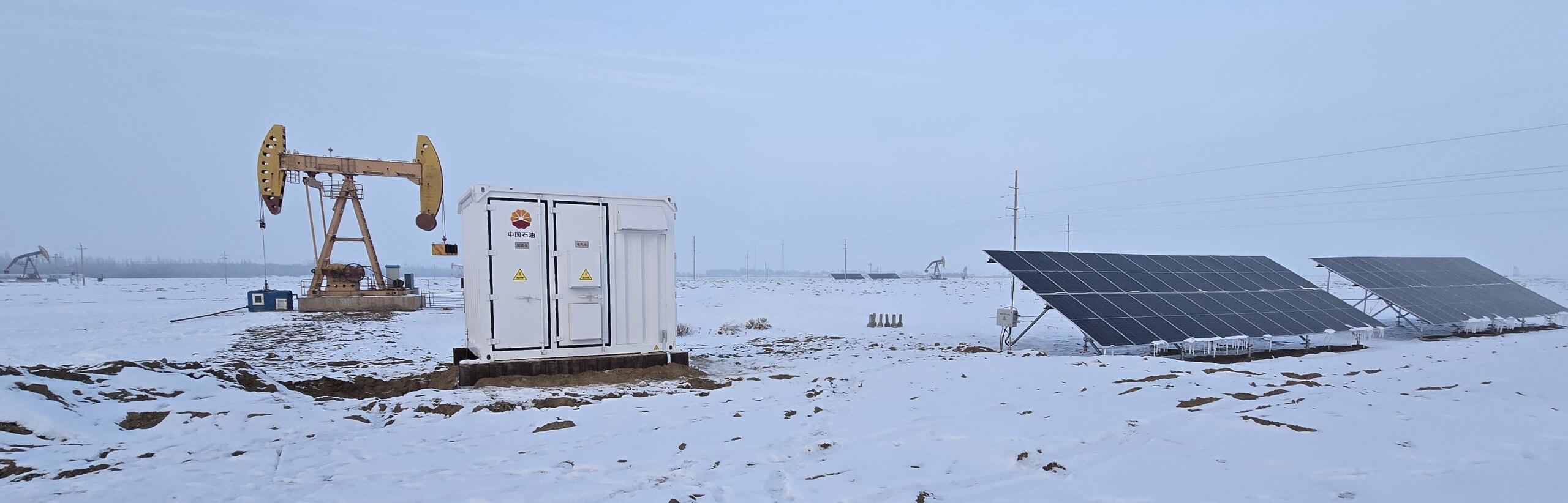
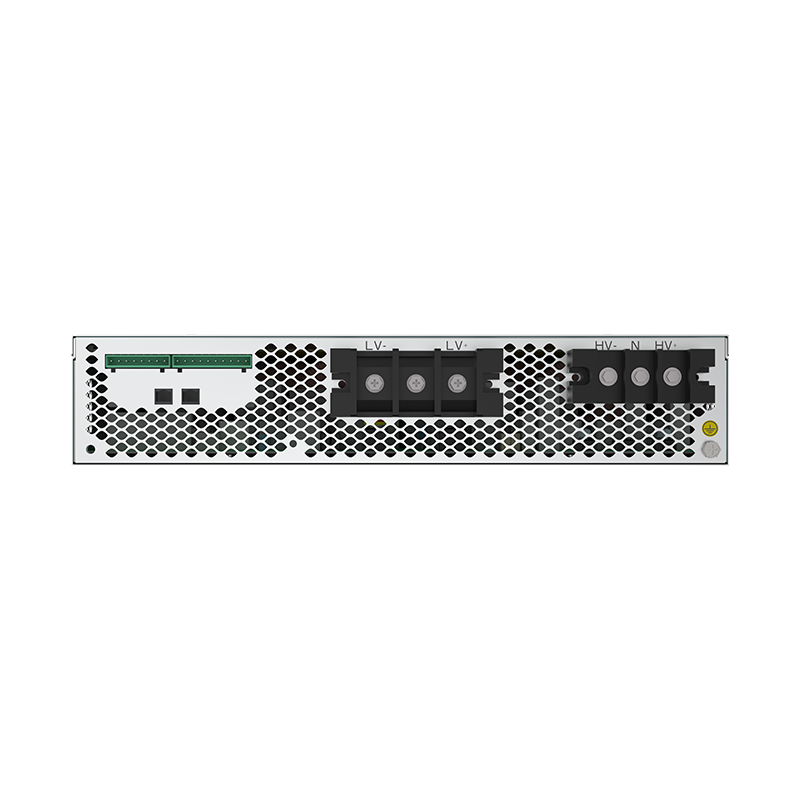
Bi-directional DC-DC converter with built-in MPPT for PV-coupled storage. Connects battery to common DC bus, supports up to 16-unit parallel, and switches between battery and PV modes via firmware.
Peak efficiency
99%
Power
50/63kW
Parallel max
up to 16 units
DC-Coupled architecture

One DC bus. Three energy flows. Minimum conversion losses.

Traditional AC-coupled systems convert PV → AC → DC twice on the way to a battery or charger. DC-coupled systems share a common DC bus — fewer conversions, higher efficiency, lower BOS cost.

PV array

Boost MPPT

DC bus + Battery

Bi-directional buck/boost

EV chargers

Direct DC output
EDCS50/63-M-MH sits at every conversion point — boost MPPT for PV input, bi-directional for battery, buck for EV charging output. One platform, three roles.
Core capabilities

Engineered for DC-coupled hybrid sites.

Four properties built into every EDCS module — whether sized for PV input, battery management, or EV charging output.

Six operating modes from one platform.

Constant-V · bi-directional constant-V · constant-I · constant-power · boost MPPT · buck MPPT — all firmware-selectable. Same hardware works as PV input converter, battery DCDC, or EV charger output. One spare part across roles.

99% peak efficiency.

Three-level topology with optimized switching frequency. Stable efficiency across the full power range — not just at the spec sheet peak point. Translates directly to less heat, less cooling cost, more energy delivered to load.

16-unit parallel for MW-scale DC bus.

Up to 16 modules paralleled on a common DC bus — gives 800-1000 kW per cluster from 50/63 kW modules. Master-slave coordination via CAN; loss of any single unit triggers automatic load redistribution.

Zero-V pre-charging.

Specialized pre-charge mode for connecting deeply-discharged batteries to a live DC bus without inrush damage. Critical for sodium-ion batteries (which can sit at 0V) and for cold-weather LFP recovery.

kEY Specifications

Core technical specifications.

For full technical parameters across communication, control, environment, and certifications, download the complete datasheet below.

Rated power
50/63 kW
HV side voltage range
200 – 1000 V
LV side voltage range
0 – 900 V (zero-V pre-charge supported)
Max efficiency
99% · 3-level topology
IP rating
IP20 (indoor switchroom use)
Operating temperature
−25 to 55°C (derate above 45°C)
Cooling method
Smart forced-air cooling
Engineer FAQ

Questions engineers actually ask.

From procurement shortlists to commissioning — the ten questions we hear most often during technical due diligence.

Yes. The EDCS50-M-MH and EDCS63-M-MH are identical hardware — they switch operating modes via firmware configuration. One physical SKU plays three roles in a DC-coupled system:

(1) Boost MPPT mode for PV input — tracks PV array maximum power point. (2) Bi-directional constant-V mode for battery — handles charge and discharge across full SoC range. (3) Buck mode for DC fast charging output — regulates output voltage to charger requirements.

This means one spare part covers your whole DC bus — substantially simpler than stocking three different inverter SKUs.

Same form factor, same operating modes, same firmware. Only difference is rated power: 50 kW continuous vs 63 kW continuous. Use 63 kW where you need maximum density per cabinet position; use 50 kW where cost is more sensitive than power per slot.

Both can be mixed in the same DC bus cluster — the master controller handles unequal capacities automatically.

Yes — the EDCS series specifically supports sodium-ion through two features other DCDC products often lack:

First, the LV side voltage range goes down to 0 V (vs typical 200 V minimum). Sodium-ion cells can sit at very low voltage (close to 0 V) without damage, but most DCDC modules can’t reconnect to a 0-V battery without inrush damage.

Second, the dedicated zero-V pre-charging mode safely brings a deeply discharged battery up to operating voltage. We’ve validated this in field deployments since 2024.

For PV-to-battery path: AC-coupled goes through PV inverter (98%) + battery PCS (98%) = ~96% round-trip into the battery. DC-coupled goes through one DCDC stage at 99% = roughly 3-4% efficiency advantage. Over 20-year asset life this translates to material energy savings.

For PV-to-EV-charger path the advantage is similar. AC-coupled needs PV inverter + EV charger AC input + EV charger internal DC stage. DC-coupled goes PV → DC bus → buck stage → EV battery, eliminating two conversions.

MPPT operates from 200 V to 1000 V on the HV side, with full power tracking across 400-950 V. MPPT accuracy is > 99.5% (industry-standard test conditions). Tracking algorithm responds to irradiance changes within 50 ms — fast enough for cloud-edge transitions without missing energy harvest.

For PV strings outside the 400-950 V optimal range, contact engineering — alternative module configurations or transformer adaptation may be needed.

Yes. A typical hybrid site has, on the same DC bus: 4 × EDCS in PV-input MPPT mode, 4 × EDCS in battery bi-directional mode, and 4 × EDCS in EV charger output mode — all 12 modules sharing the bus voltage and coordinated by the master EMS.

The DC bus voltage is set by the battery DCDC (typically 750 V or 1000 V depending on battery configuration). PV-input modules track battery DC bus voltage; EV-output modules buck down to charger requirements.

Application Cases

Related Case Studies​

Explore our real-world case studies to see how our energy Storage solutions empower global industries.

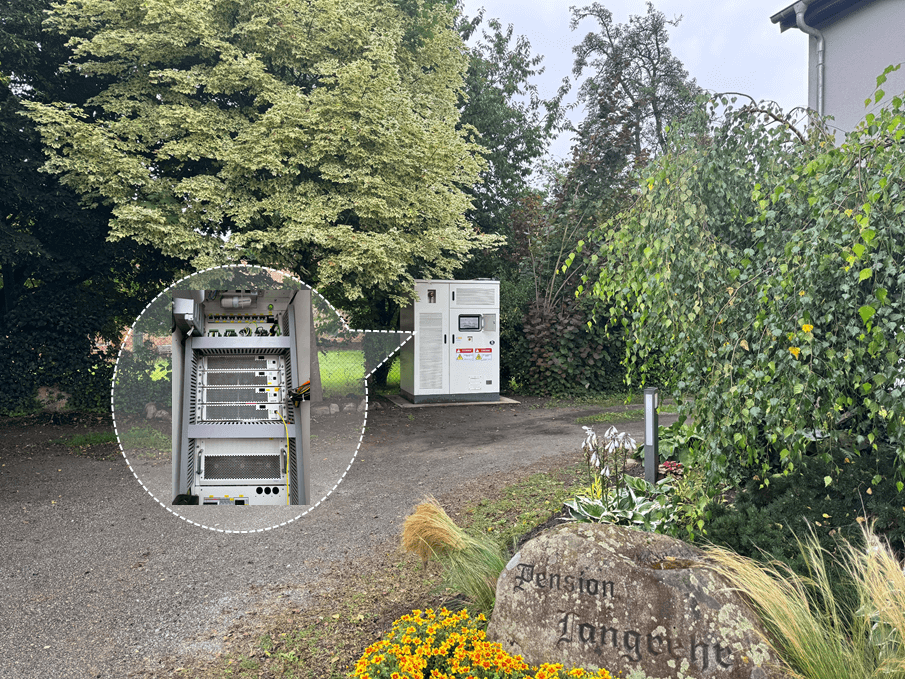
Off-Grid Solar + Storage + Diesel Microgrid in the Philippines

Project Background In many regions across Southeast Asia, grid access is limited or unreliable, creating significant barriers for industrial facilities that require continuous electricity. In the outskirts of Manila, Philippines, a refrigeration equipment factory faced a critical challenge: the site had no access to the utility grid, making stable power
Read More »

Germany Hamburg Residential Solar-Storage Integration Project

Project Background A residential household in Hamburg, Germany faced challenges with high electricity demand, expensive energy costs, and frequent power outages. To address these issues, the household deployed an integrated solar and energy storage system powered by enjoypowers. This solution effectively reduces electricity costs and ensures a reliable, uninterrupted power

Read More »

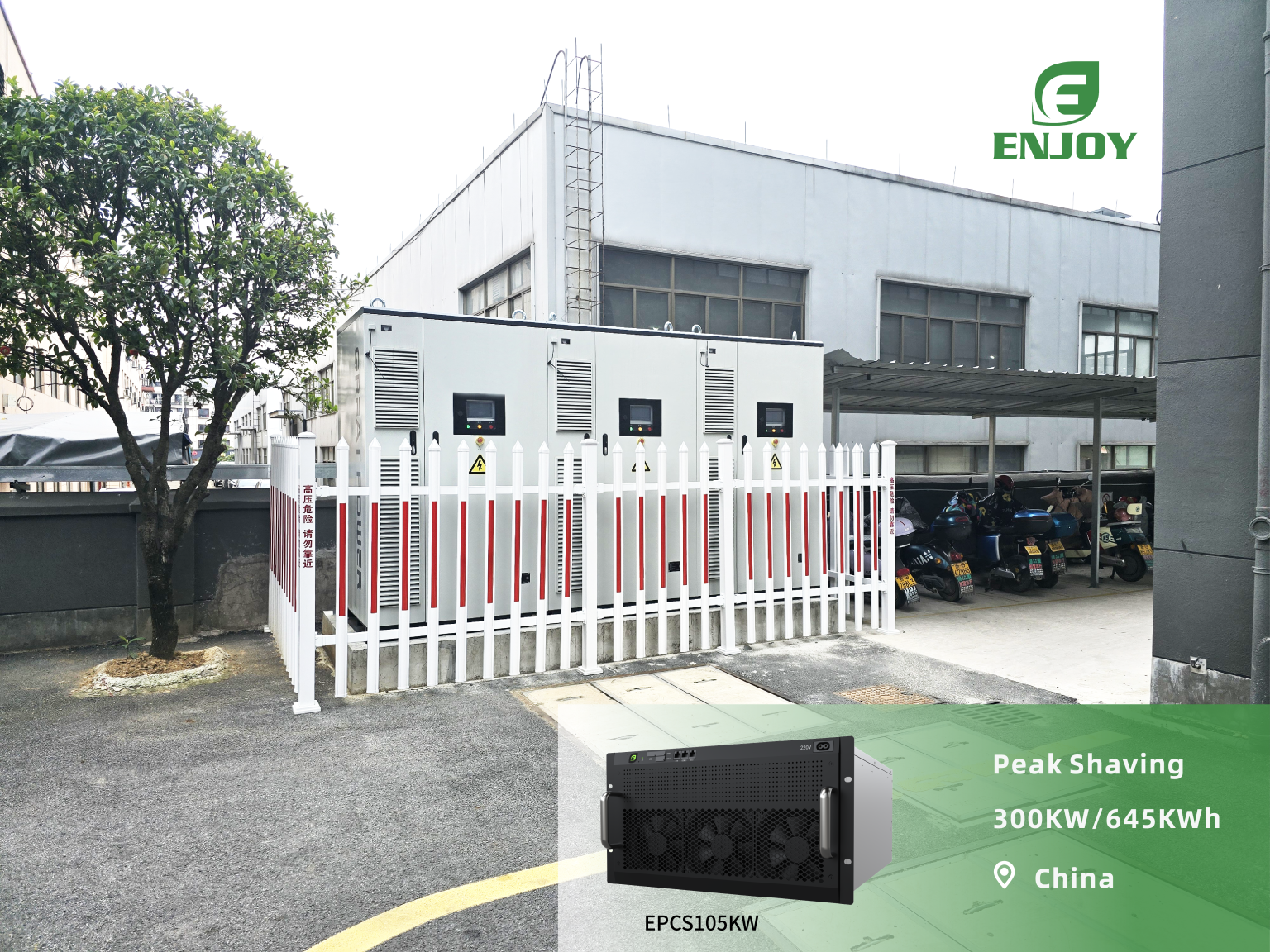
Enjoypowers Power Conversion System (PCS) Enables 645kWh Industrial Energy Storage at Textile Factory

To tackle peak electricity costs and enhance energy sustainability, a textile manufacturer has deployed a robust commercial energy storage system powered by Enjoypowers’ PCS(Power Conversion System) modules. Operating 24/7 with high electricity consumption, the factory benefits significantly from a 100KW/215KWh Battery Energy Storage System (BESS), equipped with Enjoypowers’ advanced power conversion

Read More »
Ready to spec it?

Ready to build your system?

Tell us your grid code, load profile, and site constraints. Within 48 hours we’ll come back with a sized system, efficiency curves, a deployment timeline, and a first-pass bill of materials.