
Choosing a power quality solutions partner is an important decision for industrial companies because system reliability depends on more than product specifications. At Enjoypowers, we understand that customers need engineering support, application experience, and technical confidence before investing in energy solutions.
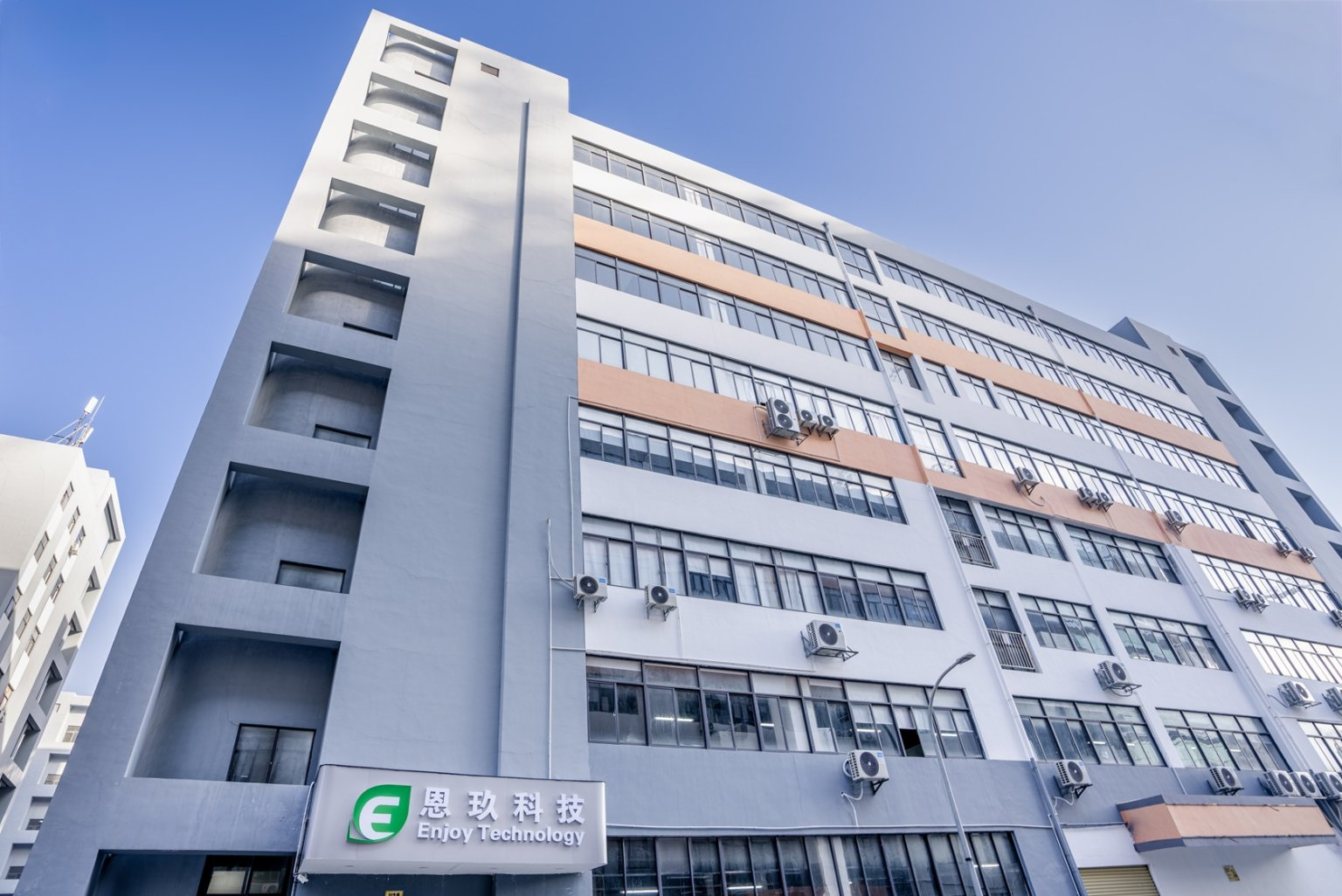
A qualified provider should be able to analyze electrical challenges, design suitable configurations, and support project implementation from planning to operation. Whether the requirement involves energy storage integration, harmonic control, or grid stability improvement, engineering capability directly influences long-term performance.
Many companies compare suppliers only by price or product models, but this approach can create risks during installation and operation. A strong partner should demonstrate experience in system design, power electronics, compliance requirements, and customized project solutions.
Why Engineering Capability Matters When Choosing a BESS Manufacturer
A reliable BESS manufacturer should provide more than battery-related equipment. Customers should evaluate whether the supplier understands complete energy system architecture, including power conversion, energy management, grid connection, and site-specific operating conditions.
Engineering capability begins with accurate project evaluation. A professional supplier should review load characteristics, peak demand patterns, renewable energy integration requirements, and power quality issues before recommending a solution. This process helps ensure that the energy storage system matches actual operational needs.
At Enjoypowers, we focus on power electronics technologies and energy solutions that help industries improve efficiency and reliability. Our experience includes energy storage systems, power quality products, and customized solutions designed for different application environments.
When assessing a BESS manufacturer, customers should ask several practical questions. Can the supplier provide system simulation and technical analysis? Does the engineering team understand grid requirements? Can the company support commissioning and troubleshooting after delivery?
A capable supplier should also have experience with different industrial scenarios. Manufacturing plants, data centers, renewable energy projects, and commercial facilities often have different electricity consumption profiles. A flexible engineering approach allows the storage system to provide functions such as peak demand management, backup support, and renewable energy optimization.
Another important factor is product integration ability. Energy storage projects involve multiple components, including batteries, PCS, control systems, protection devices, and communication platforms. Suppliers with strong engineering capabilities can coordinate these elements to create a stable and efficient solution.
Evaluating a Grid-Forming Inverter Manufacturer through Technical Depth
The role of advanced inverter technology is becoming increasingly important as power systems include more renewable energy and distributed resources. A professional grid-forming inverter manufacturer should demonstrate strong control technology, testing capability, and understanding of modern grid requirements.
Customers should evaluate whether the supplier can explain how inverter controls respond under different grid conditions. Technical discussions should include voltage regulation, frequency support, weak-grid operation, and system stability. Grid-forming technology is designed to provide voltage and frequency reference capabilities instead of only following existing grid signals.
A capable grid-forming inverter manufacturer should also have strong research and development resources. Engineering teams need to understand power conversion algorithms, hardware design, protection strategies, and compatibility with different grid environments.
At the project level, engineering capability means more than developing a product. It includes technical consultation, parameter adjustment, installation guidance, and long-term service support. Customers should choose suppliers that can participate throughout the project lifecycle instead of only delivering equipment.
A strong grid-forming inverter manufacturer should also demonstrate experience with testing and certification processes. Different markets may have different grid connection requirements, so suppliers need the ability to adapt solutions according to regional standards and customer expectations.
Key Factors to Review Before Selecting a Power Quality Partner
The first factor is technical experience. Companies should review whether the supplier has completed projects involving similar applications. Experience with industrial loads, renewable integration, and complex electrical environments can reduce project uncertainty.
The second factor is product development capability. A supplier with internal engineering resources can respond faster when customers require customized solutions. This is especially important for projects involving unique load characteristics or special grid conditions.
The third factor is testing and validation. Reliable suppliers should have structured procedures for product verification, system testing, and commissioning support. These processes help identify potential issues before equipment enters commercial operation.
The fourth factor is after-sales capability. Power quality solutions often operate continuously, so customers need responsive technical support. A supplier should provide clear communication channels, troubleshooting assistance, and maintenance guidance.
The fifth factor is understanding of application goals. A solution should not only solve an immediate electrical problem but also support future expansion. For example, a factory may later add renewable generation or require additional energy management functions. Engineering-focused suppliers can consider these future requirements during initial design.
How Engineering Expertise Creates Long-Term Customer Value
Power quality and energy storage projects are long-term investments. Selecting a supplier with strong engineering capability can improve system reliability, reduce operational challenges, and support better energy management outcomes.
At Enjoypowers, we believe successful cooperation comes from combining advanced technology with practical engineering knowledge. Our goal is to help customers solve real electrical challenges through reliable power quality and energy storage solutions.
Customers should look beyond basic product comparisons and evaluate the complete technical capability of potential partners. A supplier that understands system design, application requirements, and project execution can provide greater value throughout the equipment lifecycle.
Conclusion
Evaluating a power quality solutions provider requires careful consideration of engineering strength, application experience, and technical support capability. The right partner should be able to analyze customer requirements, design suitable systems, and provide continuous support.
A BESS manufacturer with strong engineering resources can help companies achieve more reliable energy management, while a grid-forming inverter manufacturer with advanced expertise can support future power system needs.
By focusing on engineering capability rather than only equipment pricing, businesses can make more informed decisions and build stronger foundations for efficient, stable, and sustainable energy operations.