
Choosing the right battery energy storage partner is a critical decision for commercial and industrial energy users. A reliable supplier must provide not only competitive products but also proven manufacturing capabilities, compliance with industry standards, and practical project experience.
As the demand for energy storage continues to grow, many companies are evaluating suppliers based on technical documents, product specifications, and pricing. However, these factors alone may not reveal the supplier’s actual ability to deliver stable and safe systems.
At Enjoypowers, we understand that supplier evaluation requires a comprehensive approach. Businesses should examine production processes, certification documents, application experience, and long-term service capability before making an investment decision.
A professional due diligence process helps reduce project risks and ensures that the selected supplier can meet technical, operational, and regulatory requirements.
Why Factory Audits Matter When Selecting a BESS Supplier
A factory audit provides direct insight into a supplier’s manufacturing strength. Instead of depending only on marketing materials, customers can verify whether a company has the facilities, processes, and quality systems required for large-scale energy storage projects.
During a factory inspection, buyers should review several key areas, including production lines, testing equipment, quality control procedures, and supply chain management. These factors help determine whether the supplier can maintain consistent product quality across different project deployments.
For companies searching for a hybrid inverter manufacturer, evaluating manufacturing capability is especially important. Hybrid energy systems often require close integration between battery storage, power conversion equipment, energy management software, and grid interaction functions.
A qualified supplier should demonstrate clear testing procedures for critical components. These may include electrical performance testing, communication verification, safety checks, and system-level inspections before shipment.
Production traceability is another important audit point. Suppliers should have processes that allow components, production steps, and testing results to be tracked. This capability helps identify potential issues and improves maintenance efficiency throughout the system lifecycle.
Key Questions to Ask During a BESS Factory Audit
A successful factory audit should focus on practical questions rather than only reviewing company presentations.
First, customers should understand the supplier’s manufacturing capacity. The goal is not simply to find the largest factory but to confirm whether the production capability matches the project requirements.
Second, buyers should examine quality management procedures. Important questions include how incoming materials are inspected, how production defects are handled, and how finished products are tested before delivery.
Third, customers should evaluate engineering support. Energy storage projects often involve different grid conditions, installation environments, and operational requirements. Suppliers need technical teams capable of supporting system integration and troubleshooting.
A factory audit can also reveal whether the supplier invests in research and development. Continuous improvement in hardware design, software functions, and testing methods is important for long-term product reliability.
Understanding Certifications Before Signing a BESS Contract
Certifications are an essential part of supplier evaluation because they demonstrate that products have been tested according to recognized standards. However, customers should carefully review what each certification actually covers.
Different markets may require different compliance documents. Depending on the project location, requirements may involve electrical safety, electromagnetic compatibility, grid connection, or environmental standards.
When reviewing certifications, buyers should confirm:
Whether the certificate applies to the exact product model
Whether the testing standard matches the project requirements
Whether the certification remains valid
Whether additional local approvals are necessary
Certifications should support technical confidence, but they should not replace a complete supplier assessment. A company may have certified products but still lack sufficient project experience or service capability.
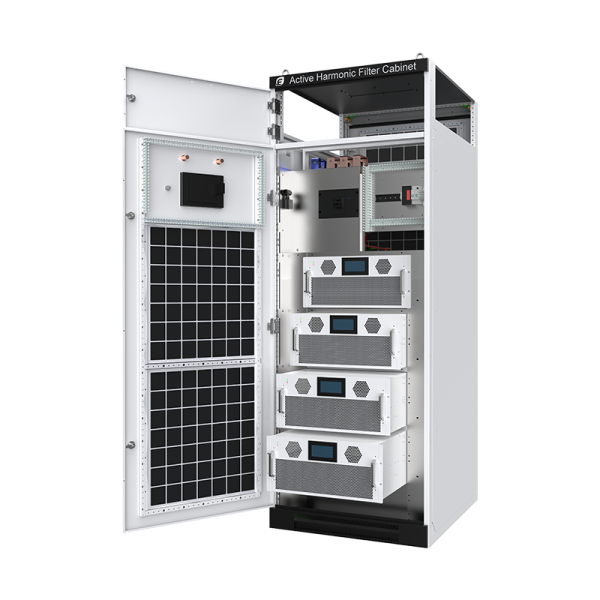
For industrial customers, evaluating electrical power system quality is also important because energy storage systems operate as part of a larger electrical network. Understanding voltage stability, power fluctuations, harmonic issues, and load characteristics helps ensure that the selected solution fits the actual operating environment.
How to Verify BESS Reference Projects
Reference projects provide valuable information about a supplier’s real-world capabilities. However, customers should look beyond the number of completed installations and examine the details behind each project.
A useful project review should include:
Application type
System capacity
Operating environment
Technical challenges
Installation process
Long-term performance feedback
A supplier with experience across different industries may better understand the challenges faced by factories, commercial buildings, renewable energy facilities, and other large energy consumers.
When reviewing references, customers should also consider whether the supplier was responsible for core system design, equipment supply, integration, or only a limited part of the project. Understanding the supplier’s actual role provides a clearer evaluation of technical capability.
At Enjoypowers, we believe that real project experience is an important source of engineering knowledge. Each application provides opportunities to understand different operating conditions and improve future energy storage solutions.
Evaluating Technical Capability and System Integration
A BESS supplier should have strong knowledge of both energy storage technology and electrical systems. Modern industrial energy projects often require coordination between batteries, PCS equipment, renewable energy sources, and existing power infrastructure.
Customers should evaluate whether suppliers can provide solutions that address specific operational goals, such as peak demand management, renewable energy utilization, backup power, or improved grid interaction.
Technical evaluation should include hardware design, software functions, communication protocols, and monitoring capabilities. A complete energy storage system depends on the cooperation of multiple components, so integration experience is essential.
The supplier’s understanding of electrical power system quality can also influence project success. Poorly designed systems may create operational problems, while properly integrated solutions can support more stable and efficient energy management.
Service Support After Installation
Supplier evaluation should not end after equipment delivery. Long-term service capability is an important factor because energy storage systems are designed for years of operation.
Before cooperation, customers should understand the supplier’s maintenance process, technical response methods, spare parts availability, and remote support capabilities.
Clear communication regarding warranty conditions, troubleshooting procedures, and system upgrades can help avoid future misunderstandings.
A reliable supplier should provide support throughout the project lifecycle, from initial design discussions to commissioning and ongoing operation.
Conclusion
Selecting a BESS supplier requires careful evaluation beyond product price and basic specifications. Factory audits, certification reviews, reference project analysis, and technical assessments provide a more complete understanding of supplier capability.
A professional due diligence process helps businesses identify suppliers that can deliver reliable equipment, technical support, and long-term cooperation.
At Enjoypowers, we recognize that successful energy storage projects depend on careful planning, engineering quality, and close cooperation with customers. By applying a structured supplier evaluation approach, companies can make more informed decisions and build stronger foundations for future energy management projects.
The right supplier is not simply a manufacturer but a long-term technical partner that understands customer needs and supports reliable energy solutions.