
Modern industrial facilities depend on stable electrical systems to maintain productivity, protect equipment, and control operating costs. However, issues such as low power factor, harmonic distortion, voltage fluctuations, and unbalanced loads can reduce system efficiency and create operational risks.
At Enjoypowers, we understand that identifying the root cause of electrical problems is the first step toward improving system performance. This troubleshooting checklist explains common power quality problems and practical correction methods that help businesses build more reliable power networks.
Power Quality Problems: A Practical Troubleshooting Checklist
When an industrial facility experiences unexpected equipment shutdowns, overheating components, or rising electricity costs, the problem may come from poor electrical conditions. A detailed inspection should begin with several key areas.
The first step is to analyze operating conditions, including load characteristics, equipment types, and power consumption patterns. Motors, variable frequency drives, welding machines, and other nonlinear loads can influence system stability and create power quality challenges.
A professional assessment should also examine voltage levels, current waveforms, reactive power demand, and harmonic content. These measurements provide a clear picture of whether the issue comes from inefficient power usage, electrical disturbances, or insufficient compensation equipment.
Low Power Factor and PF Correction Solutions
Low power factor is one of the most common challenges in commercial and industrial electrical systems. It usually occurs when inductive equipment consumes reactive power, increasing the current required from the grid without increasing useful output.
Poor power factor can lead to higher demand charges, reduced system capacity, and additional stress on electrical infrastructure. Effective PF correction solutions help compensate reactive power and improve the overall utilization of electrical energy.
Traditional capacitor banks are often used for basic applications, but they may have limitations when loads change quickly. Modern solutions such as Static Var Generators (SVGs) can provide dynamic reactive power compensation and adapt to changing industrial conditions.
When selecting PF correction solutions, companies should consider load fluctuation, harmonic levels, installation environment, and future expansion plans. A correctly designed system should match the actual operating characteristics instead of simply adding compensation capacity.
Harmonic Distortion: Causes and Solutions
Harmonic distortion is another major power quality concern, especially in facilities using power electronic equipment. Devices such as variable speed drives, rectifiers, and switching power supplies can introduce harmonic currents into the electrical network.
Excessive harmonics may cause transformer overheating, equipment malfunction, communication interference, and increased system losses. Therefore, troubleshooting should include harmonic measurements to identify the source and severity of distortion.
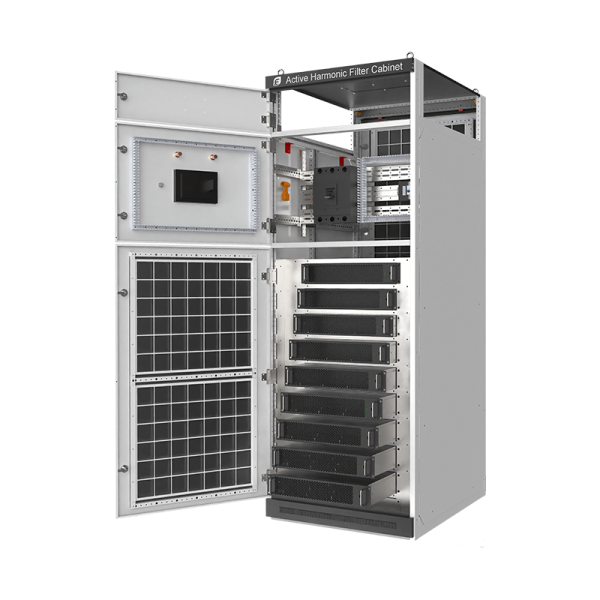
Active filtering technology provides an effective approach by detecting unwanted harmonic currents and generating compensation currents to reduce their impact. This method is suitable for facilities with complex and changing loads because it can respond dynamically.
At Enjoypowers, we provide power quality solutions that combine advanced compensation technologies to address challenges including harmonic mitigation, reactive power control, and load balancing. Our approach focuses on improving electrical stability while supporting different industrial applications.
Voltage Fluctuations and Load Imbalance Management
Voltage instability can affect sensitive equipment, production processes, and automation systems. Common causes include large motor starting currents, rapidly changing loads, and uneven distribution between phases.
A troubleshooting process should evaluate whether voltage problems are temporary events or continuous operating issues. Monitoring equipment can help identify when disturbances occur and which loads are responsible.
For facilities with unbalanced or rapidly changing electrical demand, compensation equipment can improve system performance. SVG-based solutions can provide fast reactive power adjustment and support more stable operation under changing load conditions.
How to Solve Power Factor Correction Problems?
Many customers ask how to solve power factor correction problems because existing correction systems may fail to maintain expected performance. Common reasons include incorrect system sizing, changing load conditions, harmonic interference, or outdated compensation equipment.
The solution begins with a complete electrical analysis. Engineers should evaluate actual reactive power requirements instead of relying only on historical data. This ensures the selected equipment can respond effectively to real operating conditions.
Another important consideration is whether the system needs fixed or dynamic compensation. Facilities with stable loads may benefit from traditional methods, while factories with fluctuating production cycles often require more flexible technologies.
Combining monitoring, proper system design, and suitable compensation equipment can significantly improve power factor performance. A well-designed correction strategy helps businesses reduce unnecessary electrical losses and maintain more reliable operation.
Choosing the Right Power Quality Improvement Strategy
Every facility has different electrical characteristics, so there is no universal solution for all power problems. A successful improvement plan should consider equipment type, operating schedule, grid requirements, and future development goals.
Before installation, companies should collect power quality data and define their main objectives. Some facilities may focus on reducing reactive power consumption, while others may need harmonic control or voltage stabilization.
Enjoypowers works with customers to analyze their specific requirements and develop suitable solutions for industrial power systems. By combining engineering experience with advanced technologies, we help customers improve electrical efficiency and reliability.
Conclusion
Power quality problems can affect productivity, equipment lifespan, and energy management efficiency. A structured troubleshooting process allows companies to identify problems accurately and select appropriate improvement measures.
From harmonic reduction to reactive power compensation, modern technologies provide effective ways to optimize industrial electrical systems. Implementing suitable PF correction solutions and continuous monitoring can help businesses achieve more stable and efficient operations.
For companies looking to solve complex electrical challenges, Enjoypowers provides professional power quality solutions designed around real application needs. With the right strategy, industrial facilities can create a stronger foundation for long-term energy performance.