
Modern industrial facilities depend on advanced electrical equipment to improve automation, productivity, and energy efficiency. However, many of these technologies introduce electrical challenges that can affect system stability. One of the most common issues is harmonic distortion, which occurs when electrical waveforms become different from their ideal sinusoidal shape. Understanding how to correct a poor power factor is equally critical, as poor power factor and harmonics often coexist, compounding the strain on distribution systems and driving up energy costs.
At Enjoypowers, we help industrial users understand the sources behind power quality problems and develop practical strategies to improve electrical reliability. Before selecting any corrective equipment, it is important to identify where harmonic distortion comes from and how different industrial loads contribute to the problem.
Harmonic distortion is not usually caused by one single device. In most factories, it results from the combined operation of multiple nonlinear loads. Understanding these root sources allows businesses to choose more effective solutions and avoid unnecessary investments.
Understanding Harmonic Distortion in Industrial Electrical Systems
Harmonic distortion happens when electrical currents or voltages contain additional frequency components that are different from the fundamental frequency. These additional components change the original waveform and may affect the performance of connected equipment.
Traditional electrical loads such as heaters, incandescent lighting, and simple resistive devices generally consume power in a predictable way. However, many modern industrial machines rely on electronic switching technologies, which create nonlinear current patterns.
Nonlinear loads draw current in short pulses instead of following the voltage waveform smoothly. These irregular current patterns generate harmonic currents that can travel through the electrical distribution system and influence other connected equipment.
As industrial facilities continue adopting automation, variable-speed control, and digital systems, harmonic-related challenges become increasingly important. A clear understanding of the main harmonic sources helps operators maintain better system performance.
Major Industrial Loads That Create Harmonic Distortion
One of the most common sources of harmonic distortion in industrial environments is the variable frequency drive (VFD). VFDs are widely used to control motor speed, reduce energy consumption, and improve process control. However, their power conversion process involves electronic switching, which can generate harmonic currents.
Industrial rectifiers are another major source. These devices convert alternating current into direct current for applications such as manufacturing equipment, electrochemical processes, and charging systems. During the conversion process, rectifiers can introduce current waveform distortion into the power network.
Uninterruptible power supplies (UPS) and battery charging systems may also contribute to harmonic problems. These systems use power electronics to manage energy flow, and large numbers of units operating together can create noticeable effects in commercial and industrial facilities.
Welding equipment is another example of a nonlinear industrial load. Because welding machines often operate with rapidly changing electrical demands, they can create fluctuations and waveform distortion that influence nearby equipment.
Switching power supplies used in automation systems, control panels, and communication equipment can also add harmonic currents. Although each individual device may have a limited impact, the combined effect of many electronic devices can become significant in large-scale operations.
Why Nonlinear Loads Generate Harmonic Problems
The main reason nonlinear loads create harmonics is their unique method of consuming electrical energy. Instead of drawing a smooth current waveform, these devices use semiconductor switches that rapidly turn current flow on and off.
This switching behavior changes the shape of the current waveform and introduces additional frequency components. These components can circulate through transformers, cables, and distribution equipment, increasing electrical stress across the system.
In industrial facilities, the impact of harmonics depends on several factors, including the number of nonlinear loads, equipment capacity, operating conditions, and the design of the electrical network.
At Enjoypowers, we emphasize the importance of analyzing actual operating conditions before recommending improvements. A detailed power quality assessment helps identify which loads contribute most to harmonic issues and determines the most suitable approach.
How Harmonic Distortion Affects Industrial Operations
Excessive harmonic distortion can influence the reliability and efficiency of industrial electrical systems. One common effect is additional heating in transformers, motors, and cables. When equipment experiences higher electrical stress, its operating efficiency may decrease.
Motors connected to systems with high harmonic levels may experience increased losses, temperature rise, and reduced performance. Sensitive electronic equipment, including automation controllers and monitoring systems, may also be affected by waveform disturbances.
Harmonics can also reduce overall electrical system stability. In facilities with complex production processes, unexpected power quality problems may interrupt operations, increase maintenance requirements, and create difficulties for equipment management.
This is why many industrial users consider comprehensive power quality solutions when addressing harmonic challenges. Instead of focusing only on individual symptoms, a complete approach evaluates the entire electrical environment.
Methods to Reduce Harmonic Distortion in Industrial Facilities
The first step in reducing harmonic distortion is identifying the equipment responsible for generating unwanted harmonic currents. Power quality monitoring tools can measure waveform conditions, detect harmonic levels, and provide valuable information about system performance.
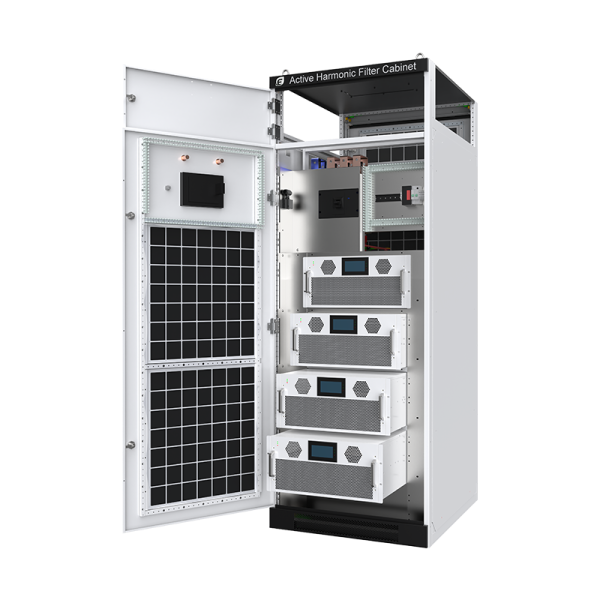
After identifying the main sources, facilities can select appropriate mitigation methods. Active Power Filters (APF) are commonly used to compensate for harmonic currents by injecting corrective currents into the electrical system. This helps improve waveform quality and reduce the impact of nonlinear loads.
Static Var Generators (SVG) can also support industrial electrical improvement by providing dynamic reactive power compensation. When combined with other technologies, SVG and APF can become important components of modern power quality solutions.
Equipment design and installation practices also influence harmonic performance. Proper system planning, suitable transformer selection, and balanced load distribution can help reduce the risk of future power quality problems.
Regular monitoring is equally important because industrial facilities often change over time. New production lines, additional motors, and increased automation may introduce new harmonic sources. Continuous evaluation helps companies maintain reliable electrical performance as their operations expand.
The Importance of Choosing the Right Power Quality Solutions
Every industrial facility has different electrical characteristics, which means harmonic mitigation requires a customized approach. A solution that works well in one application may not provide the same results in another environment.
Factors such as equipment type, load variation, production requirements, and future expansion plans should all be considered during system evaluation. This ensures that the selected technology matches the actual needs of the facility.
We at Enjoypowers focus on helping customers understand their electrical challenges before implementing improvements. By combining professional analysis with suitable technologies, businesses can create more stable and efficient power systems.
Conclusion
Harmonic distortion in industrial loads mainly comes from nonlinear equipment such as VFDs, rectifiers, UPS systems, welding machines, and electronic power supplies. As industrial facilities become more dependent on power electronics, understanding these sources becomes increasingly important.
Identifying the root causes of harmonic problems allows companies to develop targeted improvement strategies. Through proper monitoring, system analysis, and advanced technologies such as APF and SVG, industrial users can achieve better electrical reliability.
Enjoypowers believes that effective power management starts with understanding the problem clearly. By addressing harmonic sources and applying suitable solutions, companies can build stronger electrical systems that support efficient and stable industrial operations.