
Modern data centers are becoming more powerful as cloud computing, artificial intelligence, and digital services continue to expand. However, increasing electrical loads also create new power quality challenges, especially harmonic distortion caused by nonlinear equipment.
Many operators ask us: what is the biggest problem for data centers? While uptime, cooling, and energy efficiency are common concerns, unstable electrical conditions caused by harmonics can directly affect equipment reliability and operational performance.
Understanding where harmonics come from and how to control them is essential for building a stable power infrastructure. Proper solutions, including data center PFC technologies, can help maintain cleaner power and improve system efficiency.
Where Do Data Center Harmonics Come From?
Harmonics are electrical distortions created when equipment draws current in a non-sinusoidal waveform. Unlike traditional linear loads, many modern electronic devices consume power in pulses, creating additional frequency components that affect the electrical system.
One of the primary sources of harmonics in data centers is the uninterruptible power supply (UPS). UPS systems are essential for protecting servers from power interruptions, but their power conversion process can introduce harmonic currents if not properly managed.
Server power supplies are another important source. Large numbers of switching power supplies operate simultaneously in server racks, and their combined effect can increase harmonic levels across the distribution network.
Cooling systems can also contribute to harmonic problems. Modern data centers often use variable frequency drives (VFDs) for fans, pumps, and chillers. These power electronic devices improve energy efficiency but may generate harmonic currents during operation.
Why Are Data Center Harmonics Becoming Worse?
The growth of high-density computing is one major reason harmonic challenges are increasing. Artificial intelligence workloads, advanced computing platforms, and expanded cloud services require more servers and higher electrical capacity.
As power demand increases, more nonlinear loads are connected within the same facility. Even if individual devices have improved internal power management, the combined impact of thousands of devices can create complex harmonic conditions.
Another factor is the changing structure of data center electrical systems. Traditional facilities were designed around relatively predictable loads, but modern facilities experience more dynamic operating conditions caused by changing computing demand.
At Enjoypowers, we understand that data centers require stable electrical environments to support continuous operation. Our power quality solutions are designed to help customers identify and manage issues caused by changing loads and harmonic distortion.
The Impact of Harmonics on Data Center Operations
Harmonics can create several risks for data center infrastructure. One common issue is additional heating in electrical components such as transformers, cables, and distribution equipment.
When harmonic currents flow through electrical systems, they can increase losses and reduce equipment efficiency. Over time, this may shorten component lifespan and increase maintenance requirements.
Harmonic distortion can also affect sensitive electronic equipment. Data centers depend on precise power conditions because servers, communication systems, and control equipment require reliable electricity to operate correctly.
For this reason, monitoring and controlling harmonics should be part of a complete electrical management strategy rather than a solution added only after problems appear.
How Data Center PFC Helps Improve Power Quality
Power factor correction is an important approach for improving electrical performance in facilities with complex loads. Data center PFC technologies help optimize the relationship between active power and reactive power, reducing unnecessary current flow and improving system utilization.
Traditional capacitor-based correction methods may work for certain stable loads, but modern data centers often require more flexible solutions because their electrical demand changes continuously.
Advanced power quality equipment can provide dynamic compensation by responding to real-time electrical conditions. This allows facilities to manage both power factor issues and harmonic challenges more effectively.
When selecting a data center PFC solution, operators should consider several factors, including load characteristics, existing harmonic levels, expansion plans, and compatibility with UPS systems.
A proper assessment before installation helps ensure that the selected technology addresses the actual source of electrical problems instead of only treating symptoms.
Selecting the Right Harmonic Mitigation Strategy
There is no single solution suitable for every data center. The correct approach depends on facility design, equipment types, and operational requirements.
The first step is usually a power quality analysis. Measuring harmonic distortion, current waveforms, and power factor provides valuable information for identifying problem areas.
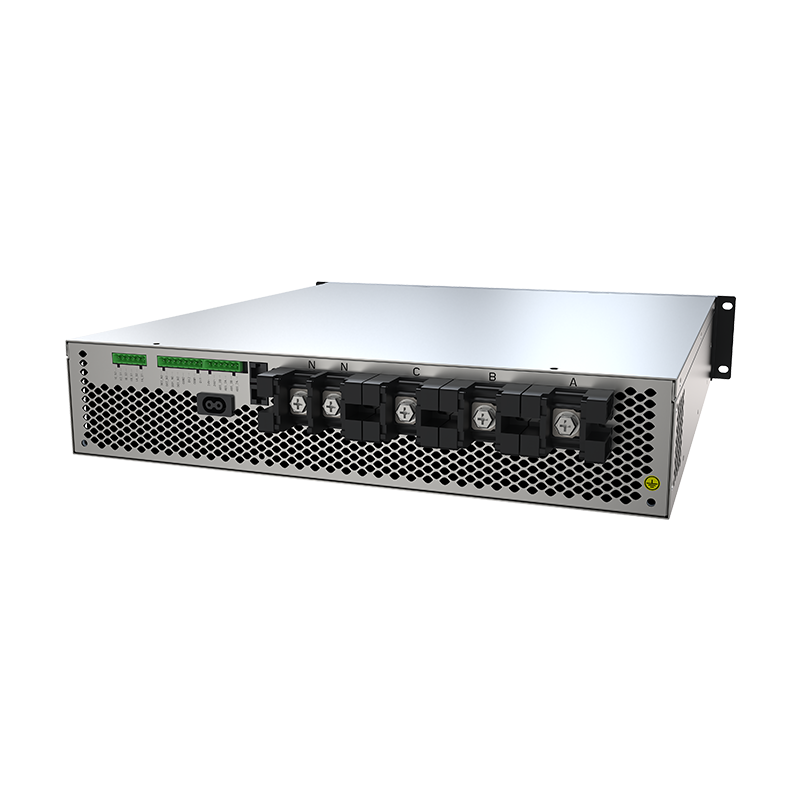
Active harmonic filtering is often considered for facilities with rapidly changing loads because it can adjust compensation according to real-time conditions. Enjoypowers provides power quality products that support harmonic reduction and reactive power management for demanding applications.
In some projects, combining multiple technologies can provide better results. For example, integrating power factor correction with harmonic filtering may help improve electrical efficiency while maintaining stable operation.
Practical Steps for Managing Data Center Harmonics
Data center operators should include power quality planning during both new construction and expansion projects. Waiting until equipment problems appear can increase troubleshooting time and operational risks.
Regular monitoring is also important because harmonic conditions may change as servers, cooling systems, and electrical equipment are upgraded.
At Enjoypowers, we work with customers to evaluate their power quality challenges and develop solutions based on actual operating conditions. Effective harmonic management requires not only advanced equipment but also proper system analysis and engineering design.
A complete strategy helps data centers achieve reliable performance while supporting future increases in computing demand.
Conclusion
Data center harmonics mainly come from nonlinear loads such as UPS systems, switching power supplies, and variable frequency drive-based cooling equipment. As data centers become larger and more complex, harmonic management is becoming increasingly important.
The biggest challenge for operators is maintaining stable power quality while supporting growing electrical demand. Effective solutions such as power monitoring, harmonic mitigation, and data center PFC technologies can help improve reliability and efficiency.
By understanding harmonic sources and selecting appropriate power quality solutions, data centers can build stronger electrical infrastructure for today’s digital workloads and future expansion.