
Data centers are the foundation of modern digital services, supporting cloud computing, artificial intelligence, online platforms, and enterprise applications. As these facilities continue to increase computing capacity, their electrical systems are becoming more complex, with a growing number of power electronic devices connected to the grid.
One common electrical challenge is harmonic distortion. Although harmonics are not always visible to operators, they can influence equipment efficiency, system reliability, and maintenance requirements. Understanding how harmonics are generated and controlled is essential for maintaining stable data center operations.
A well-designed data center power quality solution can help facility operators identify electrical issues, improve power stability, and protect critical infrastructure. This article explains harmonics in simple terms and discusses practical approaches to managing them.
What Causes Harmonics in Data Centers?
In a perfect electrical system, voltage and current follow a smooth sine wave. However, many modern devices do not consume electricity in a linear way. Instead, they draw current in pulses, creating additional frequency components known as harmonics.
Data centers contain many nonlinear loads that can contribute to harmonic distortion. Common sources include uninterruptible power supplies (UPS), server power supplies, battery charging systems, and variable-frequency drives used in cooling equipment.
These devices rely on power electronics to convert and regulate electricity. While this technology improves efficiency and control, it can also introduce harmonic currents into the power distribution network.
For data center operators, identifying the source of harmonics is the first step toward improving electrical performance. Different facilities may experience different harmonic levels depending on equipment types, load capacity, and distribution system design.
Why Harmonics Affect Data Center Power Quality
Maintaining strong Data Center Power Quality is important because IT equipment requires a stable and reliable electrical environment. Harmonic distortion can create several problems that affect both equipment performance and operational costs.
One major concern is additional heating in electrical components. Harmonic currents can increase losses in transformers, cables, and switchgear, causing these components to operate under higher thermal stress. Over time, this may reduce equipment lifespan and increase maintenance needs.
Harmonics can also affect power distribution efficiency. When electrical systems carry unnecessary harmonic currents, energy losses may increase, reducing the overall efficiency of the facility.
For high-density data centers, even small power quality problems can become more significant because these facilities operate continuously and contain large amounts of sensitive electronic equipment. Therefore, monitoring and managing harmonics is an important part of long-term electrical management.
How Harmonic Filters Help Data Centers
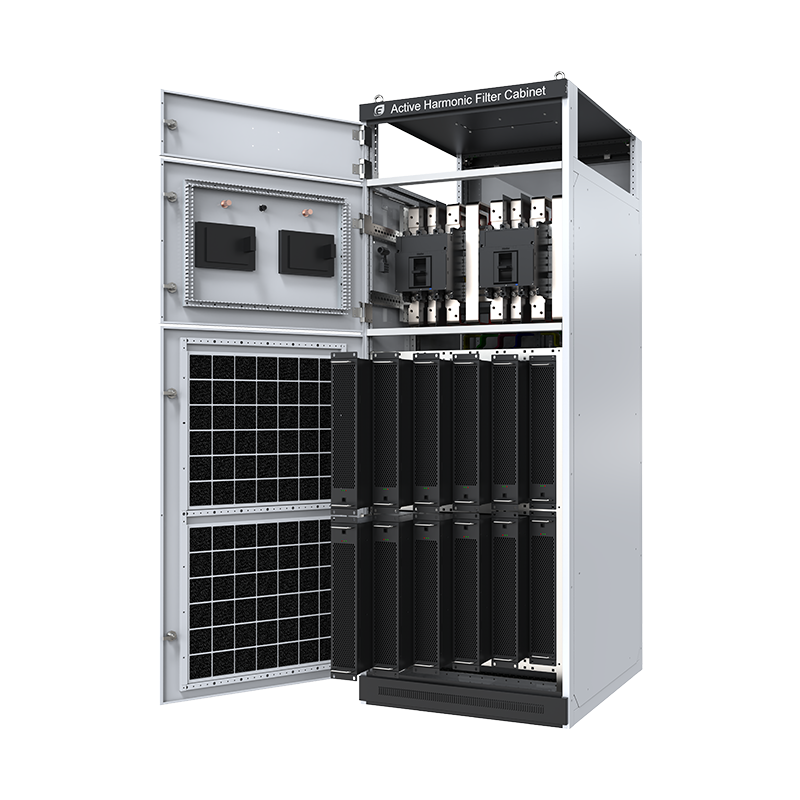
One effective method for controlling harmonic distortion is the use of Harmonic Filters For Data Centers. These devices are designed to reduce unwanted harmonic currents and improve the quality of electrical waveforms.
Traditional passive filters can target specific harmonic frequencies, while advanced active filtering technologies can dynamically respond to changing electrical conditions. This makes active solutions suitable for modern data centers where power demand can vary significantly throughout daily operations.
A properly selected filtering system can help reduce current distortion, improve equipment operating conditions, and support more stable power distribution. However, choosing the right solution requires an understanding of the facility’s electrical characteristics.
Before installing harmonic control equipment, engineers typically evaluate factors such as load types, harmonic levels, transformer capacity, and future expansion plans. This analysis ensures that the selected technology matches the actual requirements of the facility.
Selecting the Right Data Center Power Quality Solution
Choosing a suitable power quality solution requires more than selecting a single product. Data center operators need to consider system design, operational goals, and future scalability.
The first step is conducting a detailed power quality assessment. Measurements of voltage distortion, current harmonics, and load behavior provide valuable information about the electrical environment. These results help determine whether harmonic filtering or other power quality technologies are needed.
The installation location is another important consideration. Some facilities may benefit from centralized solutions installed at the main distribution level, while others may require targeted solutions closer to specific equipment groups.
Scalability is also essential because data centers frequently expand their computing capacity. A flexible solution allows operators to adapt to increasing electrical loads without completely redesigning the power infrastructure.
In addition, technical support and engineering experience should be considered during supplier selection. A qualified provider should be able to analyze application requirements, recommend suitable configurations, and support system commissioning.
With extensive experience in industrial power electronics and power quality applications, Enjoypowers focuses on developing solutions that address electrical stability challenges in demanding environments. The company’s technologies are designed to support applications where reliability, efficiency, and continuous operation are important.
Improving Reliability Through Harmonic Management
Effective harmonic management is not only about solving existing electrical problems. It is also a proactive strategy for improving the long-term reliability of data center infrastructure.
Modern facilities often combine UPS systems, renewable energy sources, energy storage systems, and advanced cooling technologies. As electrical systems become more integrated, maintaining stable power quality becomes increasingly important.
A comprehensive approach may include continuous monitoring, proper equipment selection, harmonic compensation, and regular system evaluation. These practices help operators identify potential risks before they develop into operational problems.
For many organizations, investing in Harmonic Filters For Data Centers is part of a broader strategy to improve energy efficiency and protect critical assets. When combined with proper electrical design, filtering technology can contribute to a more reliable power environment.
Enjoypowers works with customers to understand specific application requirements and provide power quality solutions suitable for different industrial scenarios. By combining engineering knowledge with practical technologies, the company supports businesses in improving electrical performance and operational stability.
Conclusion
Harmonics in data centers are mainly caused by nonlinear electrical equipment such as UPS systems, server power supplies, and variable-speed drives. While these distortions may not immediately interrupt operations, they can gradually affect equipment efficiency, system reliability, and maintenance costs.
A professional Data Center Power Quality Solution helps operators detect and manage harmonic issues through proper analysis, system design, and advanced compensation technologies.
As digital infrastructure continues to grow, maintaining a stable electrical environment will become increasingly important. Enjoypowers remains committed to helping industrial customers address power quality challenges through reliable and practical solutions.
By understanding the causes and impacts of harmonics, data center operators can make better decisions, improve infrastructure performance, and build more resilient power systems for future growth.