
Industrial electrical systems are becoming increasingly complex as factories adopt more automation equipment, variable speed drives, power converters, and other power electronic devices. These technologies improve production efficiency but also introduce nonlinear loads that can create harmonic currents.
When harmonic distortion increases, electrical systems may experience additional losses, overheating, reduced equipment efficiency, and interference with sensitive devices. For facilities that depend on continuous production, maintaining stable power quality is an important part of daily operation.
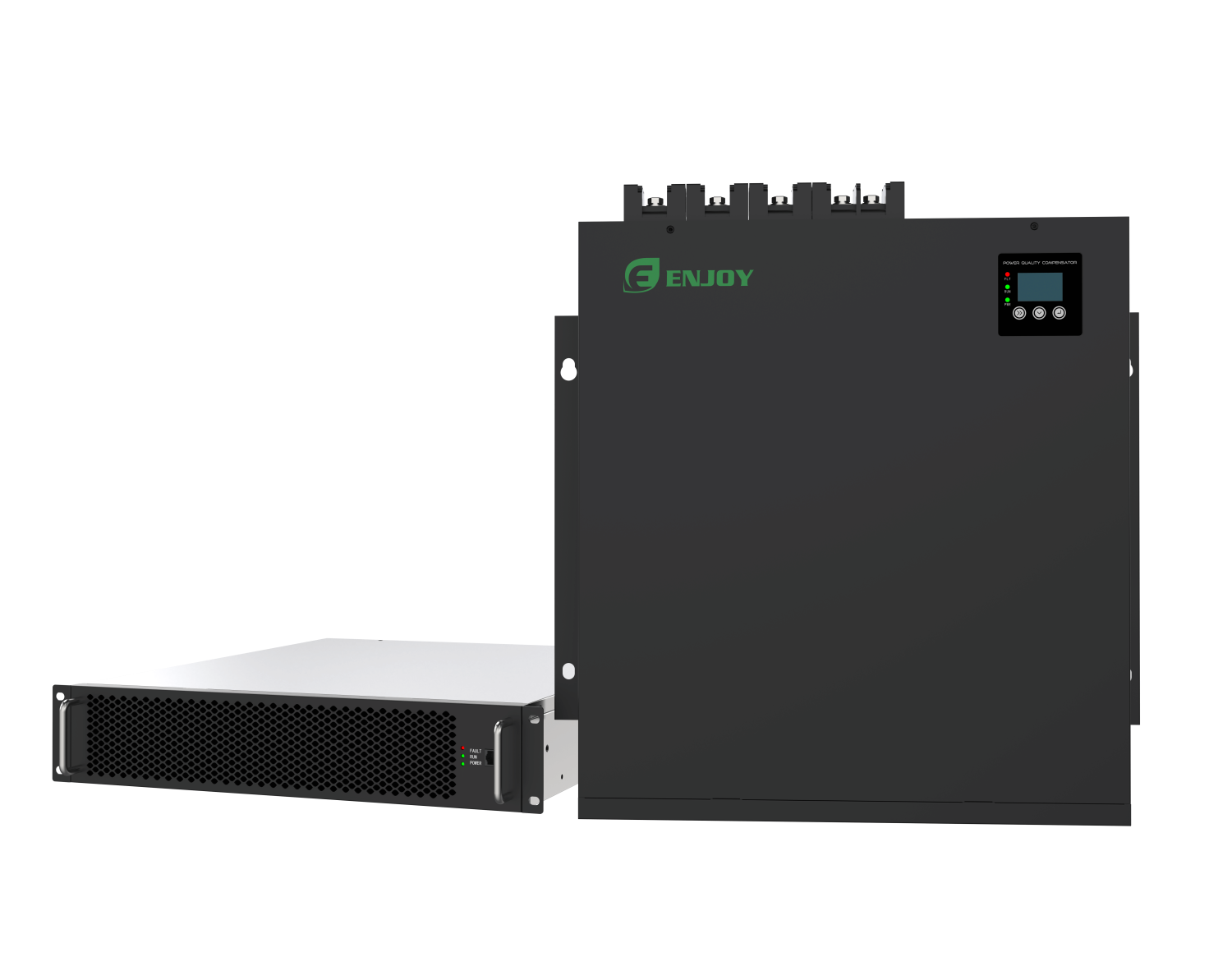
An active harmonic filter is one of the technologies used to manage harmonic problems by detecting and compensating unwanted harmonic currents in real time. However, selecting the right equipment requires careful analysis because every industrial facility has different load characteristics and operating conditions.
At Enjoypowers, we have observed that many harmonic-related issues begin with insufficient understanding of the actual electrical environment. Proper measurement and system analysis are the foundation for selecting suitable power quality equipment.
Understanding Active Harmonic Filter Applications in Industrial Systems
An active harmonic filter works by monitoring electrical current and generating compensation currents that reduce harmonic components produced by nonlinear loads. Unlike traditional passive solutions that focus on specific harmonic frequencies, active technology can respond to changing load conditions.
This flexibility makes active harmonic filters suitable for industrial environments where electrical demand changes frequently. Manufacturing plants, for example, may operate different machines at different production stages, causing harmonic levels to vary throughout the working cycle.
Before selecting an active harmonic filter, engineers should identify the main sources of distortion. Common sources include motor drives, rectifiers, welding equipment, UPS systems, and other electronic power conversion devices.
The filter capacity should be determined based on measured harmonic current rather than simply the total capacity of the electrical installation. A larger facility does not always require a larger filter, while a smaller facility with significant nonlinear loads may require more effective compensation.
A correct selection process helps avoid two common problems: insufficient compensation caused by under-sizing and unnecessary investment caused by over-sizing.
Key Selection Factors for Industrial Active Harmonic Filters
One of the most important factors when choosing an industrial active harmonic filter is compensation capacity. The required current rating should match the actual harmonic current generated by connected loads.
Engineers should collect electrical measurements during normal operation to understand harmonic levels, load changes, and system behavior. This information provides a more accurate basis for equipment selection than relying only on theoretical calculations.
Another important consideration is compensation performance. Industrial systems may contain multiple harmonic orders, so the selected equipment should be capable of addressing the harmonic characteristics present in the facility.
Response speed is also critical. Industrial production equipment can change operating conditions quickly, and the filter needs to react effectively to maintain stable electrical performance.
Installation requirements should also be considered. Space availability, environmental conditions, maintenance access, and integration with existing electrical systems can influence the final equipment configuration.
A cabinet-type active harmonic filter supplier should have the ability to provide suitable configurations based on different industrial applications rather than applying the same design approach to every project.
THD Reduction Solutions and Their Role in Power Quality Improvement
Total Harmonic Distortion (THD) is commonly used to evaluate the level of waveform distortion in an electrical system. Higher THD values indicate that harmonic components are having a greater influence on current or voltage quality.
Effective THD reduction solutions require a combination of measurement, analysis, and appropriate technology selection. Installing a filter without understanding the source of distortion may not achieve the expected improvement.
Active harmonic filters continuously monitor electrical conditions and compensate for harmonic currents as system loads change. This makes them suitable for facilities where production schedules, equipment operation, and electricity demand vary over time. (enjoypowers.com)
When evaluating harmonic improvement, engineers should consider the entire electrical system rather than focusing only on one measurement point. Harmonic problems may exist at different locations, and the installation position of the filter can influence its effectiveness.
Based on our experience at Enjoypowers, accurate system evaluation before installation is one of the most important steps in achieving practical harmonic control.
Avoiding Common Mistakes During Equipment Selection
A frequent mistake in harmonic management projects is selecting equipment based only on the size of the facility. The total transformer capacity or incoming power rating does not always represent the actual harmonic requirement.
For example, a factory with a large transformer but relatively stable linear loads may generate fewer harmonic problems than a smaller facility with many electronic devices.
Another common issue is ignoring future operating changes. Industrial facilities often add new production equipment over time, which may change the harmonic profile of the electrical system.
Engineers should also avoid treating all power quality problems as the same issue. Harmonic distortion, reactive power problems, voltage fluctuations, and unbalanced loads may require different solutions.
A complete evaluation should include load analysis, harmonic measurement, equipment compatibility, and future expansion considerations. This approach helps create a more balanced and cost-effective power quality design.
Choosing the Right Configuration for Industrial Environments
Industrial applications often require equipment that can operate reliably under demanding conditions. Temperature, installation location, maintenance requirements, and communication systems all affect the final configuration.
A properly selected filter should integrate with existing electrical infrastructure without creating unnecessary complexity. Compatibility with monitoring systems and control platforms can also improve operation and maintenance efficiency.
For integrators, understanding the relationship between harmonic sources and compensation methods is essential. The goal is not simply to install a device but to create a power quality improvement strategy that matches the actual needs of the facility.
Enjoypowers believes that practical engineering decisions should always begin with understanding the electrical system itself. Equipment selection becomes more effective when technical requirements are clearly defined before installation.
Conclusion: Proper Analysis Leads to Better Harmonic Control
Selecting an active harmonic filter for industrial use requires more than comparing product specifications. The most suitable equipment depends on the facility’s load characteristics, harmonic conditions, installation environment, and future requirements.
Accurate measurement is the first step toward identifying the real cause of harmonic problems. After understanding the system conditions, engineers can determine the appropriate compensation capacity and configuration.
A well-designed harmonic management approach can help industrial facilities improve electrical stability, reduce the impact of distortion, and maintain more reliable operation.
Enjoypowers continues to value technical understanding and practical system evaluation when discussing power quality challenges. For industrial users and integrators, focusing on actual electrical conditions remains the key to selecting effective harmonic control solutions.