
Battery energy storage systems (BESS) are becoming an important part of modern energy infrastructure, helping businesses manage electricity demand, integrate renewable energy, and improve operational flexibility. However, a storage system is not only about batteries. Multiple components work together to store, convert, and control electrical energy.
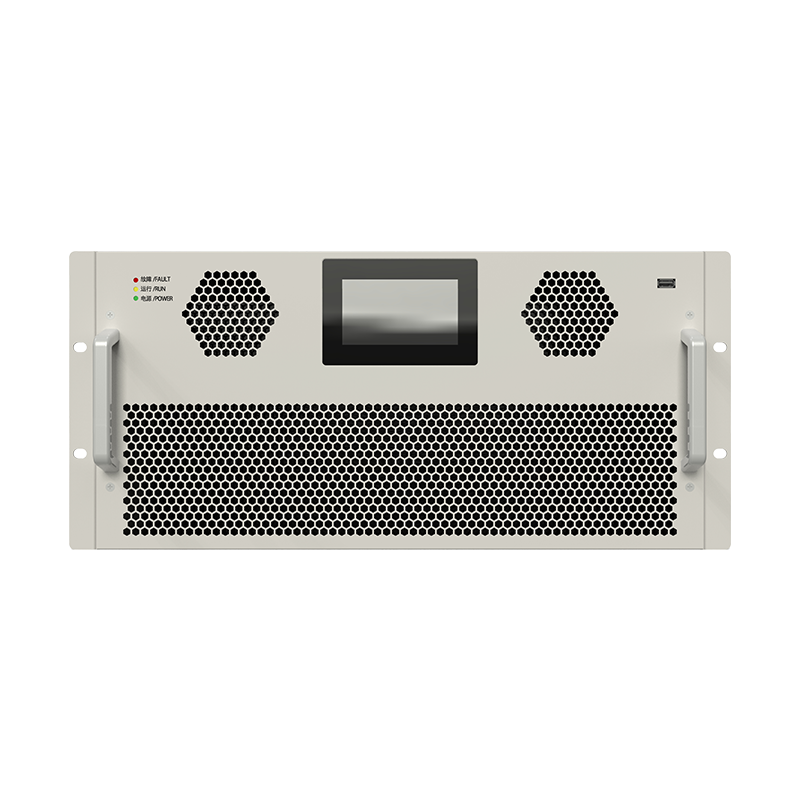
Among these components, the Power Conversion System (PCS) plays a central role. It connects the battery system with the electrical grid or facility loads by managing the conversion between DC and AC power. Without an efficient PCS, the battery cannot effectively interact with the power system.
Understanding the function of PCS is essential for companies planning energy storage projects because its performance directly affects system efficiency, flexibility, and reliability.
BESS PCS: The Key Component Connecting Battery and Grid
A BESS PCS is responsible for controlling the flow of electrical energy between the battery and the AC power network. Since batteries store energy as direct current (DC), while most industrial electrical systems operate with alternating current (AC), energy conversion is required during both charging and discharging processes.
During charging, the PCS converts AC electricity from the grid into DC electricity that can be stored in the battery. During discharge, it performs the opposite function by converting stored DC energy back into AC power for facility use or grid support.
Unlike traditional power conversion devices that mainly perform one-way conversion, a BESS PCS is designed for bidirectional operation. This allows the system to respond to changing energy demands and support applications such as peak shaving, backup power, and renewable energy integration.
In addition to power conversion, the PCS also controls important electrical parameters, including voltage, current, and power output. This control capability helps maintain stable system operation under different working conditions.
The Role of Energy Storage Converter Technology in BESS
An energy storage converter is another common term used to describe PCS technology because it manages the conversion and regulation of energy between storage batteries and external electrical systems.
The main functions of an energy storage converter include AC/DC conversion, battery charging control, discharge regulation, and communication with other system components. It acts as the operational bridge between the battery side and the power consumption side.
In industrial applications, conversion efficiency is a key consideration because storage systems often operate through repeated charging and discharging cycles. Even small efficiency differences can influence long-term system performance and operating costs.
The energy storage converter must also work together with the Battery Management System (BMS) and Energy Management System (EMS). The BMS monitors battery conditions, while the EMS manages overall energy strategies. The PCS receives instructions from these systems and adjusts power flow accordingly.
Enjoypowers applies advanced power conversion technologies in energy storage applications, focusing on reliable energy conversion and flexible system integration for different industrial requirements.
How PCS Works Within BESS System Architecture
A complete battery energy storage system consists of several interconnected parts, with each component performing a specific function.
The battery modules are responsible for storing electrical energy. The Battery Management System monitors battery status, including operating conditions and safety limits. The PCS controls energy conversion between the battery and the AC system. The Energy Management System coordinates system operation based on energy demand and application objectives.
Within this architecture, the PCS works as the main power control unit. It receives operation commands from the EMS and adjusts charging or discharging power based on real-time requirements.
For example, when a facility experiences high electricity demand, the EMS can send a command to discharge stored energy. The PCS then converts battery power into AC electricity and supplies it to the facility, reducing dependence on grid power during peak periods.
When electricity demand decreases, the PCS can switch to charging mode and store energy for future use. This continuous adjustment allows the storage system to operate more efficiently.
Key Factors When Selecting a BESS PCS
Choosing a suitable PCS requires consideration of several technical factors. The first factor is power capacity. The PCS must provide enough output power to support the intended application, whether the goal is demand management, backup power, or renewable energy utilization.
The second factor is voltage compatibility. The PCS must match the battery voltage range and the electrical characteristics of the connected grid or facility. Incorrect matching can affect system performance and reliability.
Another important factor is operating flexibility. Different projects may require different functions, such as grid-connected operation, off-grid support, reactive power control, or fast response to load changes.
For large industrial energy storage projects, modular design is becoming increasingly important. Modular PCS solutions allow systems to expand capacity more easily while simplifying maintenance and future upgrades.
System protection and environmental adaptability should also be evaluated. Industrial environments may involve temperature variations, dust, and continuous operation, so the PCS needs suitable protection features to maintain stable performance.
Improving Energy Storage Performance Through Advanced PCS Design
As energy storage applications continue to expand, PCS technology is evolving beyond basic energy conversion. Modern systems require intelligent control, higher efficiency, and better interaction with electrical networks.
Advanced PCS designs can support multiple operating modes, allowing storage systems to respond to different energy scenarios. For example, the same system may help reduce peak demand during normal operation while also providing backup support during power interruptions.
An efficient energy storage converter improves the overall value of a BESS by reducing conversion losses and enabling more precise control of energy flow. This is particularly important for commercial and industrial users who rely on storage systems for long-term energy management.
The design of the PCS also influences system scalability. As energy requirements change, flexible architectures allow businesses to increase storage capacity without replacing the entire system.
Enjoypowers recognizes that PCS performance is closely connected with the overall reliability of energy storage systems. Therefore, selecting the right conversion technology is an important step in building an effective BESS solution.
Conclusion
The PCS is one of the most important components in a battery energy storage system. It enables communication between batteries and electrical networks by converting energy, controlling power flow, and supporting stable system operation.
When planning a BESS project, companies should evaluate PCS capacity, voltage compatibility, control functions, scalability, and application requirements. A properly selected PCS helps maximize system efficiency and ensures that the storage system can meet current and future energy needs.
As energy storage continues to develop, the role of PCS will become increasingly important. Understanding its function within system architecture allows businesses to make more informed decisions and build more reliable energy management solutions.