
In solar energy systems, the inverter is one of the most important components because it manages the conversion of electricity from solar panels into usable power. As energy requirements become more complex, users are increasingly comparing hybrid inverters with standard inverters to determine which option better fits their needs.
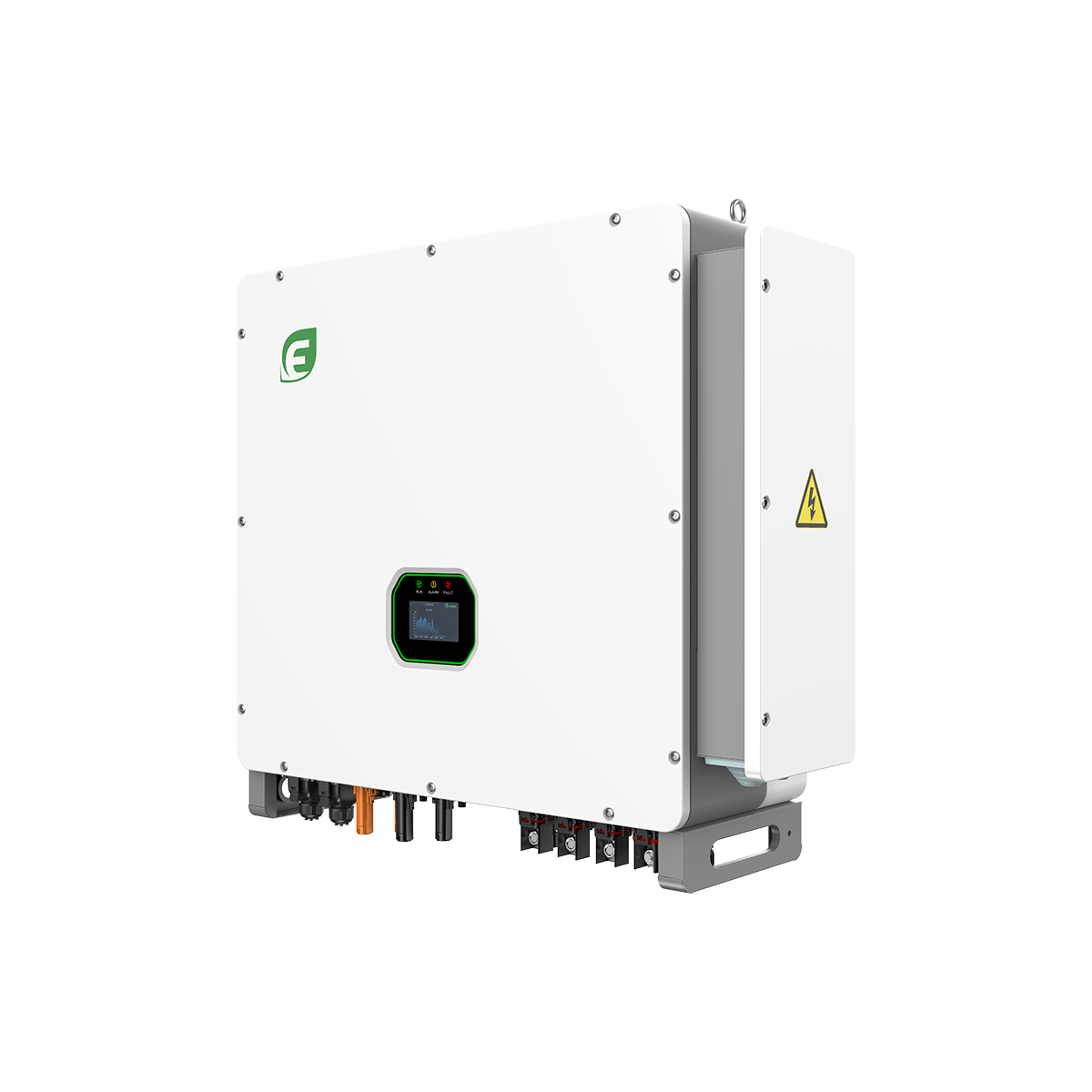
A standard inverter mainly focuses on converting solar-generated DC electricity into AC electricity for household, commercial, or industrial use. A hybrid inverter adds energy storage management capabilities, allowing solar power, batteries, electrical loads, and the grid to work together.
The better choice depends on several factors, including energy consumption patterns, backup requirements, electricity costs, and future expansion plans. Understanding the differences between these two technologies can help users select a more suitable energy solution.
How Standard Inverters Work in Solar Systems
A standard inverter is commonly used in grid-connected photovoltaic systems. Its main function is to convert the DC electricity produced by solar panels into AC electricity that can be used by electrical equipment or exported to the grid.
Because of their straightforward design, standard inverters are widely adopted in solar projects where the main goal is maximizing solar electricity generation. They are suitable for applications with stable grid conditions and predictable energy demand.
However, standard inverters usually have limited energy management capabilities. They do not typically include direct battery charging and discharging control, meaning additional equipment is required if energy storage is added later.
For users who only need solar power conversion and do not require backup power or battery integration, a standard inverter can provide a practical and cost-effective solution.
How Hybrid Inverters Provide More Energy Flexibility
Unlike standard models, a hybrid inverter combines solar conversion with battery energy management functions. It can control the flow of electricity between solar panels, energy storage systems, electrical loads, and the utility grid.
One of the main advantages of a hybrid inverter on-grid system is that it allows excess solar energy to be stored instead of immediately sent back to the grid. During periods of low solar generation or high electricity demand, stored energy can be used to support the load.
This capability improves energy flexibility and allows users to optimize electricity usage based on different operating conditions. For example, businesses can store solar energy during periods of high generation and use it during peak electricity price periods.
A hybrid inverter can also support backup power applications when connected with suitable battery storage. This makes it useful in areas where grid reliability is a concern or where continuous operation is important.
Key Differences Between Hybrid and Standard Inverters
The biggest difference between these two inverter types is energy storage management.
A standard inverter mainly performs DC-to-AC conversion, while a hybrid inverter manages multiple energy sources at the same time. This additional capability gives hybrid systems more control over how electricity is generated, stored, and consumed.
Another difference is system flexibility. Standard systems may require additional components when users decide to add batteries in the future. A hybrid system is already designed to integrate storage, making it easier to expand energy capabilities.
A PV hybrid inverter can also improve energy management by adjusting power flow according to solar production, battery status, and electricity demand. This makes it suitable for applications where users want greater control over energy consumption.
At Enjoypowers, we focus on developing energy conversion technologies that support flexible power management for different application scenarios. The selection of inverter technology should always be based on actual operating requirements rather than choosing the most advanced option available.
When Should You Choose a Standard Inverter?
Despite the advantages of hybrid technology, a standard inverter remains a suitable choice for many solar projects.
For systems where electricity is mainly consumed immediately after solar generation, battery storage may not provide enough additional value to justify the extra investment. In these situations, a standard inverter can efficiently handle the main energy conversion task.
Standard inverters are also appropriate for users with stable electricity prices, reliable grid access, and no requirement for backup power.
However, project planners should consider future energy needs. If battery storage, energy independence, or advanced energy management may become important later, choosing a storage-ready solution from the beginning may provide greater long-term flexibility.
When Does a Hybrid Inverter Make More Sense?
A hybrid inverter is often more suitable for users who want to combine renewable energy generation with energy storage.
Commercial and industrial facilities, for example, may have changing electricity demand throughout the day. Energy storage combined with hybrid conversion technology can help balance electricity consumption and improve energy utilization.
Hybrid systems are also valuable for applications requiring backup power. When grid interruptions occur, stored energy can provide support for critical loads, helping maintain important operations.
In addition, hybrid systems are becoming increasingly relevant as renewable energy adoption grows. By connecting solar generation and battery storage in one coordinated system, users can better manage changing energy conditions.
Factors to Consider Before Selecting an Inverter
Choosing between a hybrid and standard inverter requires a clear understanding of the project requirements.
Important considerations include:
Daily electricity consumption patterns.
Solar generation capacity.
Battery storage requirements.
Grid reliability.
Future system expansion plans.
Energy management goals.
Users should evaluate whether they need simple solar conversion or a more complete energy management system.
For applications with stable energy demand, a standard inverter may provide sufficient performance. For projects requiring storage integration, backup capability, and greater control, a hybrid system may offer more advantages.
Future Trends in Hybrid Energy Management
The growth of renewable energy and energy storage is changing how electricity systems are designed. Instead of only generating power, modern energy systems increasingly focus on controlling when and how electricity is used.
Hybrid inverter technology supports this transition by connecting solar generation, storage systems, and electrical loads through intelligent energy management.
As more businesses and households seek greater energy independence and improved efficiency, integrated energy solutions are expected to become increasingly important.
Enjoypowers continues to support the development of advanced power conversion technologies that help users adapt to changing energy requirements and build more flexible energy systems.
Conclusion: Choosing the Right Inverter for Your Energy Goals
A hybrid inverter is not always better than a standard inverter. The right choice depends on the specific needs of the solar project.
Standard inverters remain a reliable option for simple grid-connected solar applications, while hybrid systems provide additional benefits through battery integration, backup capability, and improved energy control.
Before making a decision, users should consider current energy requirements as well as future expansion possibilities. Selecting the right inverter technology can help create a more efficient, reliable, and adaptable energy system.