
Battery energy storage systems (BESS) are becoming increasingly important for commercial and industrial facilities that need better control over electricity usage, renewable energy integration, and power management. However, a complete BESS requires more than battery cells. Power conversion technologies determine how efficiently stored energy can be transferred, controlled, and utilized. To fully understand this, it helps to ask: what are bidirectional DC-DC converters for energy storage systems? In short, they are the interface that enables safe, bi-directional energy flow between the battery bank and the rest of the power system, optimizing performance across varying load conditions.
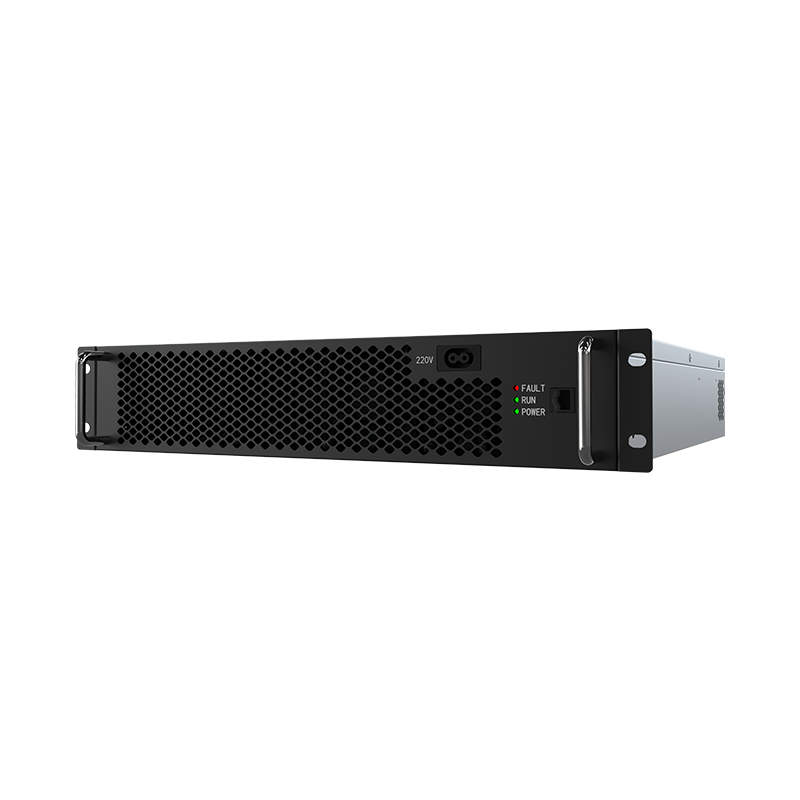
A bidirectional DC converter is one of the important components in advanced BESS architectures. It enables energy transfer between different DC voltage levels while allowing power to flow in both charging and discharging directions. This function improves system flexibility and helps batteries work more efficiently under changing operating conditions.
Understanding the role of bidirectional DC converters allows project developers and facility operators to select more suitable storage architectures and improve long-term system performance.
What Are Bidirectional DC-DC Converters for Energy Storage Systems?
Bidirectional DC-DC converters for energy storage systems are power electronic devices designed to regulate energy exchange between two DC circuits. Unlike conventional converters that only transfer power in one direction, bidirectional designs can control both energy input and output. This functionality is best appreciated by first understanding what are the three types of DC/DC converters: buck, boost, and buck-boost—and recognizing that bidirectional designs essentially integrate the latter two, offering greater flexibility and efficiency for modern storage applications.
In a BESS, batteries usually operate within a changing voltage range depending on their state of charge. The DC bus connected to other system components may require a different voltage level. A bidirectional converter manages this difference by adjusting voltage and current during charging and discharging processes.
When the battery charges, the converter controls the power flow from the DC source to the battery while maintaining suitable charging conditions. When the battery discharges, it reverses the energy direction and delivers stable DC power to the connected system.
This capability is especially valuable in modern energy storage systems because it allows better coordination between batteries, renewable energy sources, and power conversion equipment.
The Importance of Bidirectional DC Converters in BESS Architecture
A typical BESS includes battery modules, a Battery Management System (BMS), a Power Conversion System (PCS), an Energy Management System (EMS), and supporting electrical equipment. Each part contributes to safe and efficient operation.
The bidirectional DC converter operates between the battery side and the DC link, controlling the flow of stored energy before it reaches the PCS or external loads. This additional control layer provides greater flexibility compared with directly connecting batteries to the DC bus.
In large-scale and industrial energy storage projects, battery modules may have different voltage characteristics or states of charge. A bidirectional converter can help manage these differences and improve battery utilization.
For example, during periods of high electricity demand, stored energy can be released from batteries through the converter to support facility operations. During lower-demand periods, the system can store energy again by controlling the charging process.
Enjoypowers considers DC-side power control an important factor in improving the reliability and flexibility of energy storage system designs.
Core Applications of Bidirectional DC Converter Technology
Improving Battery Performance and Energy Utilization
One of the primary applications of a bidirectional DC converter is optimizing battery operation. Batteries require controlled charging and discharging to maintain stable performance and avoid unnecessary stress.
The converter regulates current and voltage based on battery conditions, helping ensure that energy transfer occurs within suitable operating ranges. This is particularly important for industrial facilities where storage systems may experience frequent charging and discharging cycles.
By improving control accuracy, bidirectional conversion technology can help increase the practical value of battery systems and support more predictable energy management.
Supporting Renewable Energy Integration
Renewable energy sources, especially solar power systems, often generate electricity based on changing environmental conditions. A bidirectional converter helps connect renewable generation with battery storage by controlling energy movement between different DC sources.
When renewable generation exceeds immediate consumption, surplus electricity can be stored in batteries. When generation decreases, stored energy can be released to support electricity demand.
This application improves renewable energy utilization and allows businesses to create more flexible energy strategies.
Enabling Flexible and Scalable Storage Systems
Energy requirements can change as businesses expand production capacity or add new electrical equipment. A flexible storage architecture allows additional battery modules to be integrated without major system redesign.
Bidirectional converters support this scalability by allowing different battery configurations and voltage levels to work within the same energy storage structure.
For commercial and industrial users, this flexibility is valuable because it helps storage systems adapt to future energy requirements.
What Are the Three Types of DC/DC Converters?
Understanding basic converter structures helps explain why bidirectional designs are widely used in BESS applications. The three common types of DC/DC converters are buck converters, boost converters, and buck-boost converters.
A buck converter reduces voltage from a higher input level to a lower output level. It is commonly used when equipment requires controlled lower-voltage operation.
A boost converter increases voltage from a lower input level to a higher output level. This function is useful when battery voltage needs to be adjusted to match a higher-voltage DC bus.
A buck-boost converter combines both functions, allowing voltage to be increased or decreased depending on operating requirements. This flexibility makes it suitable for applications where battery voltage changes significantly during operation.
In energy storage systems, bidirectional versions of these converter types provide two-way energy transfer, making them suitable for battery charging and discharging management.
Key Factors When Selecting a Bidirectional DC Converter
Choosing a suitable converter requires evaluating several technical requirements. Voltage compatibility is one of the first considerations because the converter must match both battery characteristics and the DC system architecture.
Power rating is another important factor. The converter must handle the expected charging and discharging power while maintaining stable operation. Undersized equipment may limit system performance, while oversized equipment may increase unnecessary costs.
Conversion efficiency also affects the overall economics of energy storage projects. Since BESS applications often involve repeated energy cycles, reducing conversion losses can improve long-term operational performance.
Control capability should also be considered. Communication with the BMS and EMS allows the converter to respond to changing system conditions and support intelligent energy management strategies.
Protection features, thermal design, and environmental adaptability are also important for industrial applications where equipment may operate continuously under demanding conditions.
The Relationship Between Bidirectional DC Converter and Advanced BESS Design
As energy storage applications become more complex, the role of DC power management continues to expand. Modern BESS designs require precise control of energy flow, flexible operation modes, and better coordination between different components.
A bidirectional DC converter provides the control foundation needed for applications such as peak demand management, renewable energy storage, and hybrid energy systems. It allows batteries to interact more effectively with other power conversion equipment.
Advanced energy storage converter technology also improves system flexibility by supporting different battery configurations and application requirements. Enjoypowers integrates these concepts into energy storage solutions where efficient DC power management is required.
For businesses planning new storage projects, understanding converter functions helps ensure that the selected architecture matches operational goals and future expansion needs.
Conclusion
A bidirectional DC converter plays a critical role in modern BESS design by controlling two-way energy transfer between battery systems and DC networks. Through voltage regulation, power management, and flexible operation, it improves the performance and adaptability of energy storage systems.
From renewable energy integration to battery optimization and scalable system expansion, bidirectional conversion technology supports many important energy storage applications.
Selecting the right converter requires careful consideration of voltage range, power capacity, efficiency, control functions, and system compatibility. With proper design and integration, bidirectional DC converters can help businesses build more reliable and efficient energy storage systems for future energy needs.