
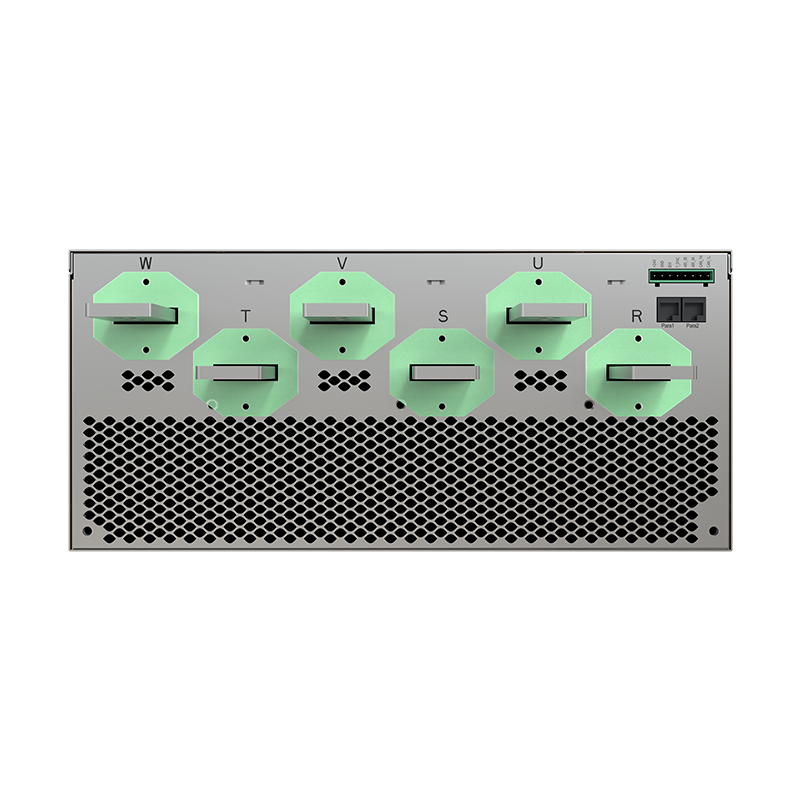
A Static Automatic Bus Transfer Switch (STS) is designed to automatically move electrical loads between different power sources when the primary supply becomes unavailable or unstable. By using power electronic switching technology, it provides faster transfer performance compared with traditional mechanical solutions.
Many users ask, “how does a static transfer switch work?” Understanding its operating principle, internal structure, and application advantages helps businesses select the right technology for improving power reliability.
What Is a Static Automatic Bus Transfer Switch?
A Static Automatic Bus Transfer Switch is an automatic switching device that connects a critical load between two independent power sources. Under normal conditions, the load receives power from the preferred source. If that source experiences a failure or abnormal condition, the STS transfers the load to the alternative source.
Typical power sources may include utility feeds, UPS outputs, generators, or battery energy storage systems. The goal is to maintain power supply continuity without requiring manual intervention.
Unlike mechanical transfer equipment, a solid state transfer switch uses semiconductor-based components to perform switching operations. These electronic components can respond much faster because they do not depend on physical contact movement.
This makes STS technology suitable for applications where even a short power interruption may affect equipment operation or system availability.
How Does a Static Transfer Switch Work?
The operation of an STS involves three main processes: monitoring, decision-making, and switching.
First, the system continuously monitors both incoming power sources. Electrical parameters such as voltage, frequency, phase angle, and power quality conditions are measured in real time.
If the primary source remains within acceptable operating limits, the load continues running normally. When the system detects problems such as voltage loss, excessive deviation, or unstable frequency, the control system determines whether a transfer is required.
After receiving the transfer command, the semiconductor switching devices disconnect the load from the unhealthy source and connect it to the alternative source.
Because the switching action is performed electronically, a solid state transfer switch can complete the transfer process much faster than traditional mechanical contactors.
Main Components of an STS System
A Static Automatic Bus Transfer Switch consists of several key sections that work together.
The first is the power switching module. This section contains semiconductor devices responsible for controlling the connection between the load and different power sources.
The second is the control unit. It analyzes incoming power conditions and manages automatic transfer decisions according to preset operating parameters.
The third is the protection and monitoring system. It helps prevent unsafe switching actions and provides information about system status.
The combination of these components allows STS equipment to provide fast and reliable source transfer for sensitive electrical loads.
Why Solid State Transfer Technology Is Important
The biggest advantage of a solid state transfer switch is its response speed. Mechanical transfer devices require physical movement, which naturally creates longer transfer times.
For many general electrical loads, this delay may be acceptable. However, sensitive equipment such as servers, communication systems, and industrial control devices may require much faster power transition.
Another advantage is improved adaptability. Modern facilities often combine multiple energy sources, including grid power, UPS systems, and battery storage. Fast electronic switching helps these sources work together more effectively.
According to practical applications observed by Enjoypowers, facilities with complex energy architectures increasingly need faster and more flexible power transfer methods rather than simple backup switching.
Applications of Static Transfer Switches
Data centers are one of the most common applications for STS technology. These facilities require stable electricity because interruptions can affect computing services and data availability.
Industrial plants also use static transfer systems when production equipment requires continuous operation. A sudden power disturbance may interrupt manufacturing processes or affect sensitive automation systems.
Energy storage applications are another growing area. As battery energy storage systems become integrated into commercial and industrial power networks, fast switching between grid power, stored energy, and backup sources becomes increasingly valuable.
In these applications, STS technology helps create a more flexible power distribution structure.
STS Compared with Traditional Automatic Transfer Switches
Although both STS and traditional automatic transfer switches perform source transfer functions, their operating methods are different.
Traditional automatic transfer switches usually rely on mechanical contact movement. They are widely used and suitable for many standard backup power applications.
A Static Automatic Bus Transfer Switch uses semiconductor technology instead. This allows faster operation and makes it more suitable for critical loads that require minimal interruption.
However, STS systems also involve power electronics, which means proper system design, thermal management, and protection coordination are important considerations.
The best choice depends on factors such as load sensitivity, transfer requirements, system configuration, and budget considerations.
Factors to Consider When Selecting an STS Solution
Before installing an STS system, users should evaluate several technical requirements.
The first factor is the type of connected load. Critical electronic equipment generally requires faster transfer performance than standard electrical loads.
The second factor is power capacity. The selected system should match the voltage, current, and expected operating conditions of the application.
The third factor is compatibility with existing infrastructure. The STS should work properly with UPS systems, generators, renewable energy equipment, or battery storage systems.
Proper evaluation before installation can help avoid performance issues and ensure reliable operation.
Conclusion
A Static Automatic Bus Transfer Switch provides a fast and reliable way to manage power source switching in critical electrical systems. By using semiconductor-based technology, it can respond quickly when the preferred power source experiences problems.
Understanding how a static transfer switch works allows facility operators to make better decisions when designing resilient power systems. Compared with traditional mechanical transfer solutions, STS technology offers greater speed and flexibility for modern applications.
At Enjoypowers, we recognize that reliable power management requires careful matching between technology and application requirements. As electrical systems continue to evolve, efficient source switching will remain an important part of building stable and resilient energy infrastructure.