
Commercial and industrial facilities are increasingly adopting solar-plus-storage systems to improve energy efficiency, reduce dependence on grid electricity, and enhance power reliability. A hybrid solar inverter plays an important role in these systems by managing energy conversion between solar panels, batteries, electrical loads, and the grid.
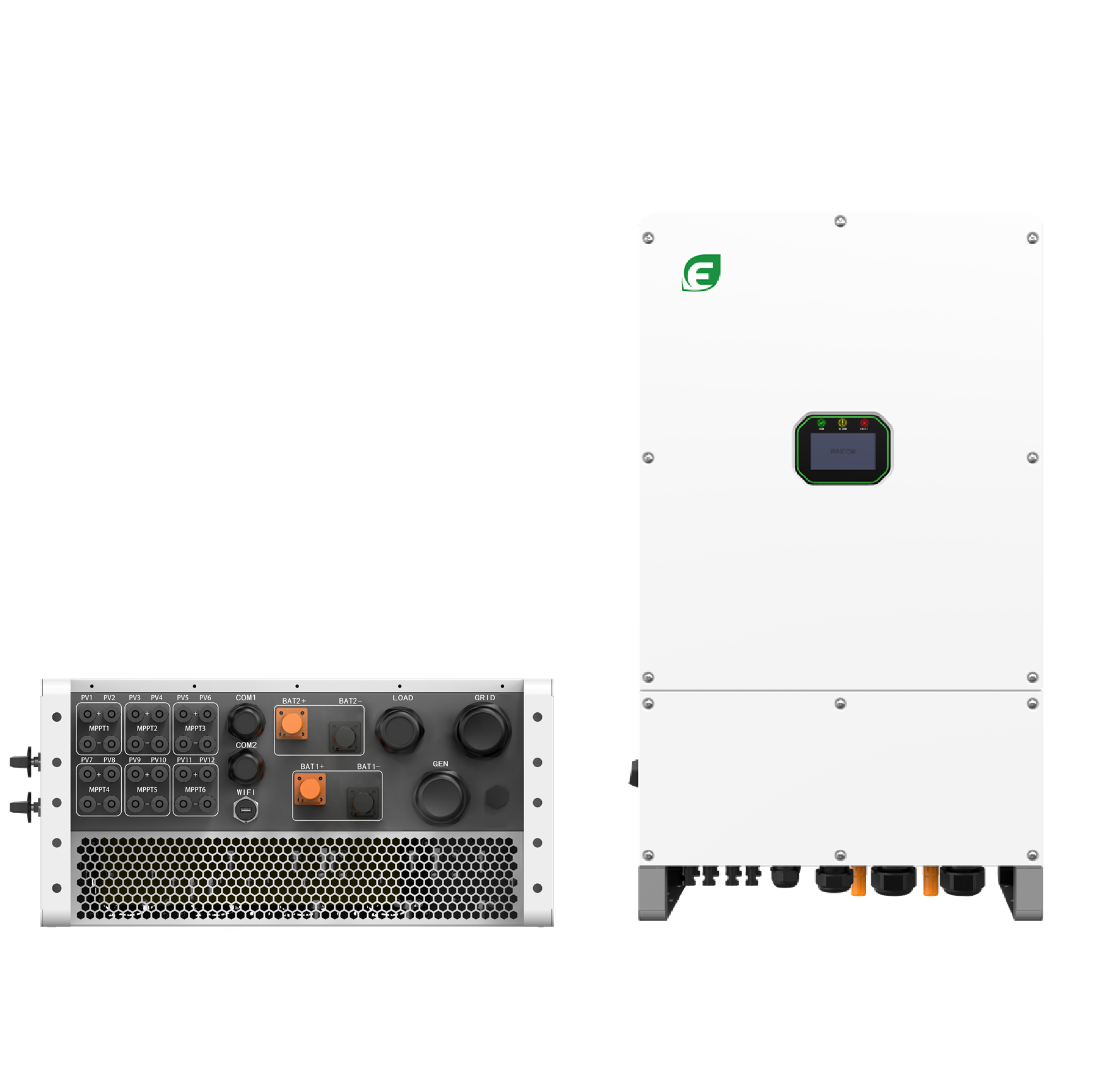
A 50kW hybrid solar inverter is designed for medium-scale commercial applications where energy demand is higher than typical small solar installations but does not require large utility-scale equipment. It combines solar power conversion, battery charging management, and grid interaction functions within one system architecture.
Choosing the right inverter requires more than looking at rated power. Businesses need to consider application requirements, load characteristics, battery compatibility, and future expansion plans. A properly matched system can improve energy utilization and support long-term operational goals.
Understanding the Role of a Commercial Hybrid Inverter
A commercial hybrid inverter is a key component in solar energy storage systems because it controls the flow of electricity between different energy sources. Unlike traditional grid-tied solar inverters that mainly convert solar DC power into AC electricity, hybrid models can coordinate solar generation, battery storage, and grid power.
During periods of strong solar generation, the inverter can supply electricity directly to facility loads while directing excess energy to battery storage. When solar production decreases, stored energy can be released to support the facility and reduce electricity purchased from the grid.
For commercial users, this flexibility creates more options for energy management. The system can support applications such as peak demand reduction, renewable energy self-consumption, backup power, and energy scheduling.
A 50kW configuration is often suitable for businesses with moderate electricity consumption patterns, including manufacturing facilities, commercial buildings, agricultural operations, and other distributed energy applications.
Application Fit of a 50kW Hybrid Solar Inverter
The suitability of a 50kW hybrid solar inverter depends mainly on the facility’s energy profile and operational objectives.
For businesses with daytime electricity consumption, the inverter can help maximize solar energy utilization. Instead of sending excess solar generation back to the grid, stored energy can be used later when electricity demand increases.
For facilities with demand charges, the inverter can support peak shaving strategies. The battery charges during lower-demand periods and discharges when electricity consumption reaches higher levels. This approach helps businesses manage power demand more efficiently.
Another important application is improving energy resilience. When connected with suitable battery storage, a hybrid inverter can provide backup support for critical loads during grid interruptions. This is particularly valuable for facilities where continuous operation is important.
Enjoypowers applies hybrid inverter technology in commercial and industrial energy storage scenarios, focusing on flexible system integration and reliable power conversion.
Key Specifications to Evaluate Before Selection
When selecting a 50kW hybrid solar inverter, several technical specifications should be reviewed to ensure compatibility with the project.
Rated Power Capacity
The rated output power determines how much electrical load the inverter can support. A 50kW inverter should be matched with the facility’s expected power demand and solar generation capacity.
An oversized inverter may increase project costs without providing additional value, while an undersized unit may limit system performance during high-demand periods.
Solar Input Capability
The solar input capacity determines how much photovoltaic generation the inverter can handle. Important factors include maximum DC input voltage, MPPT channels, and allowable solar array size.
Multiple MPPT inputs can improve system performance when solar panels are installed across different roof areas or orientations because each section can operate more independently.
Battery Compatibility
Battery compatibility is another important consideration for hybrid systems. The inverter must work properly with the selected battery voltage range and battery management system.
A suitable battery connection allows efficient charging and discharging while maintaining safe operating conditions.
Modern commercial hybrid inverter designs are often developed with flexible battery integration to support different storage configurations. Enjoypowers focuses on compatibility between power conversion equipment and energy storage systems to meet different project requirements.
Commercial Hybrid Solar Inverter: Supporting Smarter Energy Management
A commercial hybrid solar inverter does more than convert electricity. It acts as a control center that coordinates different energy sources according to operating conditions.
Through intelligent energy management functions, the system can prioritize solar power, battery energy, or grid electricity based on predefined strategies. For example, businesses may prioritize solar consumption during the day, charge batteries during lower-cost periods, and discharge stored energy during expensive peak periods.
This flexibility is becoming increasingly important as electricity pricing structures change and businesses look for ways to improve energy efficiency.
A well-designed hybrid system can also support future expansion. As energy demand grows, additional battery capacity or renewable generation may be integrated without replacing the complete energy architecture.
Factors Affecting System Design and Installation
Before installing a 50kW hybrid inverter system, businesses should evaluate several practical factors.
The first is load analysis. Understanding daily electricity consumption patterns helps determine whether the inverter and battery capacity match actual energy needs.
The second is electrical infrastructure. The inverter must be compatible with existing distribution equipment, voltage levels, and grid connection requirements.
The third is environmental conditions. Commercial installations may involve different operating environments, so factors such as temperature range, protection design, and installation location should be considered.
Finally, the control strategy should match business goals. A system designed mainly for solar self-consumption may operate differently from one designed for backup power or peak demand management.
How Advanced Hybrid Inverter Technology Improves Energy Efficiency
As commercial energy systems become more complex, hybrid inverter technology continues to evolve. Modern systems combine power conversion, battery management, and intelligent control functions to improve overall energy performance.
A commercial hybrid solar inverter helps businesses achieve greater flexibility by allowing multiple energy sources to work together. Instead of relying on a single electricity source, facilities can create a more adaptable energy system.
For companies planning long-term energy strategies, selecting the right inverter technology is an important step. The inverter influences not only current system performance but also future scalability and operational flexibility.
Enjoypowers continues to develop energy storage conversion solutions that support commercial and industrial applications, helping businesses integrate renewable energy and storage technologies more effectively.
Conclusion
A 50kW hybrid solar inverter can be an effective solution for commercial facilities seeking better control over solar generation, battery storage, and electricity consumption. Its ability to coordinate multiple energy sources makes it suitable for applications such as self-consumption optimization, peak shaving, and backup power support.
However, selecting the right system requires careful evaluation of power requirements, solar input capacity, battery compatibility, and operational objectives.
With proper system design, a hybrid inverter can become a central part of a more efficient and flexible commercial energy strategy, helping businesses make better use of renewable energy while improving overall power management.