
Utility-scale battery energy storage systems require efficient and reliable power conversion solutions to manage large amounts of stored energy. As project capacities continue to increase, system designers are looking for technologies that can improve efficiency, reduce installation complexity, and support long-term operation.
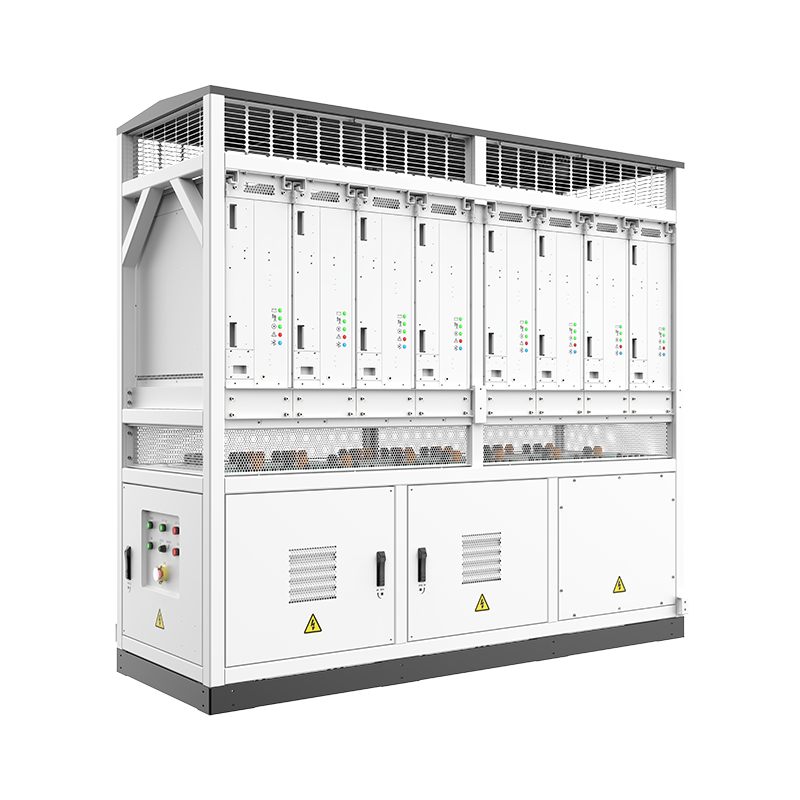
A 1500Vdc Power Conversion System (PCS) has become an important solution for large-scale battery applications because it allows higher DC voltage operation compared with traditional lower-voltage architectures. This higher voltage design can help reduce current levels, optimize system layouts, and improve energy transmission efficiency within the storage plant.
When designing a utility-scale battery system, engineers must consider multiple factors, including voltage compatibility, conversion efficiency, thermal management, protection functions, and future scalability. The PCS selection directly affects the overall performance and reliability of the energy storage project.
How a Utility Scale Battery Inverter Supports Energy Conversion
The PCS is the connection point between battery storage and the electrical grid. It converts DC energy stored in battery modules into AC power for grid delivery and performs the reverse conversion when charging the batteries.
A Utility Scale Battery Inverter must handle high power levels while maintaining stable operation under different grid conditions. In large energy storage projects, multiple PCS units are typically integrated with battery containers, transformers, and grid connection equipment.
The 1500Vdc architecture allows the battery side of the system to operate at a higher voltage level. This reduces the current required for the same power output, which can help lower cable losses and improve system efficiency.
Voltage Compatibility and System Architecture
One of the first considerations in designing a 1500Vdc energy storage system is ensuring compatibility between the PCS and battery configuration. Battery modules, racks, and protection equipment must all be designed to operate safely within the higher voltage range.
A suitable PCS should support flexible battery configurations while maintaining stable DC voltage control. This is particularly important because utility-scale projects often involve large battery arrays with complex electrical connections.
System designers also need to consider the relationship between PCS capacity and battery capacity. Proper matching helps avoid underutilization and ensures that the system can deliver expected charging and discharging performance.
Reducing Conversion Losses with Advanced PCS Design
Efficiency is a major factor in utility-scale battery systems because even small energy losses can affect long-term project economics. The PCS must provide efficient conversion during both charging and discharging cycles.
A 1500Vdc PCS can improve system efficiency by reducing DC current compared with lower-voltage designs. Lower current levels can decrease electrical losses and reduce the size requirements of certain electrical components.
However, efficiency depends on more than voltage design. Engineers must also evaluate power semiconductor technology, control strategies, cooling systems, and operating efficiency across different load conditions.
For large energy storage projects, Enjoypowers focuses on PCS solutions that combine high-voltage operation with practical system integration requirements, helping developers design more efficient energy infrastructures.
Maintaining Stable Operation in Utility Environments
Utility-scale battery systems often operate continuously for many years, making thermal management a critical design consideration. PCS equipment must handle high power conversion while maintaining appropriate internal temperatures.
Effective cooling methods help reduce component stress and improve operational reliability. Designers need to consider environmental conditions such as ambient temperature, installation location, and system ventilation requirements.
Protection features are also essential for large-scale applications. A reliable PCS should include monitoring and protection functions for conditions such as overcurrent, abnormal voltage, and communication failures.
A well-designed protection system helps reduce operational risks and supports stable performance throughout the energy storage system lifecycle.
Supporting New Battery Technologies in Utility Storage
As battery technologies continue to develop, different storage chemistries are being evaluated for utility applications. Sodium-ion batteries have attracted attention because they offer an alternative approach to large-scale energy storage.
A sodium ion battery inverter needs to support the specific electrical characteristics of sodium-ion battery systems, including voltage range, charging behavior, and energy management requirements.
While lithium-based batteries remain widely used in many projects, the development of sodium-ion solutions creates additional options for future energy storage deployments. Flexible PCS platforms can help support different battery technologies by providing adaptable power conversion and control functions.
Designing PCS Systems for Future Expansion
Utility-scale energy projects often need to accommodate future capacity expansion. A scalable PCS design allows developers to increase system capacity without completely replacing existing infrastructure.
Modular PCS configurations can simplify project expansion and maintenance. If individual units require service, modular designs may reduce the impact on overall system availability.
Maintenance planning should also consider accessibility, spare parts management, and remote monitoring capabilities. These factors influence the long-term operating cost and reliability of large battery storage systems.
Supporting Stable Grid Operation
Utility-scale battery systems must operate effectively within complex grid environments. The PCS plays an important role by controlling active power, reactive power, and grid response functions.
Advanced PCS systems can support applications such as renewable energy balancing, frequency regulation, and energy shifting. These functions allow battery storage to provide additional value beyond simple energy storage.
Grid compatibility is therefore a key consideration during system design. Engineers must ensure that PCS equipment meets project requirements for communication, control, and operational performance.
Building Reliable Utility-Scale Battery Systems with 1500Vdc PCS Technology
A 1500Vdc PCS provides an effective approach for improving the efficiency and scalability of utility-scale battery energy storage systems. By operating at higher DC voltage levels, these systems can help optimize electrical design and support large energy storage capacities.
When selecting a PCS, project developers should consider voltage compatibility, conversion efficiency, thermal management, reliability, and future expansion needs. The right design approach ensures that the energy storage system can operate effectively throughout its service life.
As utility-scale storage continues to expand, advanced PCS technologies will remain a key component in building flexible and reliable energy infrastructure. Enjoypowers continues to develop energy conversion solutions that support different battery technologies and large-scale storage applications, helping customers address evolving grid and energy management requirements.