
Selecting a bidirectional PCS manufacturer is a critical step in designing a reliable energy storage project. Many buyers initially compare suppliers through product prices, rated power, or delivery schedules, but these factors alone cannot determine whether a PCS will perform effectively after installation.
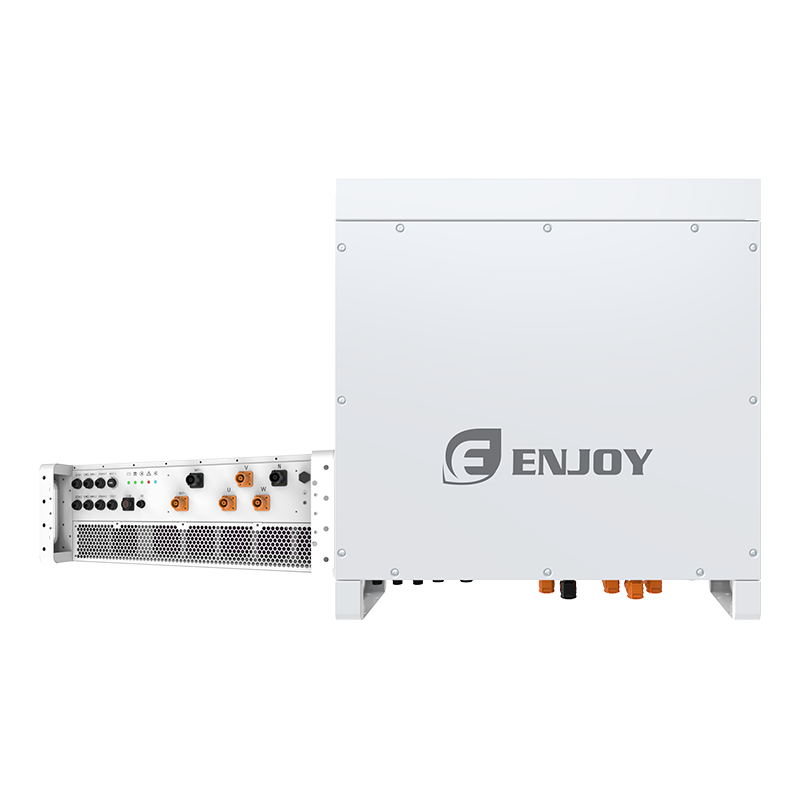
The real question is whether the manufacturer can provide a power conversion solution that matches the project architecture, operating strategy, and future expansion requirements.
At Enjoypowers, we believe PCS selection should begin with technical compatibility and project objectives rather than a simple product comparison. A structured checklist helps buyers identify whether a supplier can support the complete requirements of a battery energy storage system.
Why PCS Manufacturer Selection Requires More Than a Product Quote
A bidirectional PCS connects the battery side and the electrical grid side, controlling the movement of energy in both directions. Because of this role, supplier selection directly influences how effectively an energy storage system can respond to charging, discharging, and grid interaction demands.
A quotation may show output power, efficiency values, and basic parameters, but it does not always reveal how well the PCS will integrate with the rest of the system.
Buyers should first examine whether the manufacturer understands the project scenario. A factory using storage for peak demand management, a renewable energy project requiring flexible dispatch, and a backup power application may all need different PCS configurations.
The manufacturer comparison process should therefore focus on system-level capability instead of evaluating the PCS as an independent device.
Checkpoint One: Can the PCS Match the Energy Storage Project Architecture?
The first item on a buyer’s checklist is technical compatibility. The selected PCS must work correctly with the battery configuration, grid connection method, and energy management strategy.
A supplier should clearly explain how its PCS interacts with batteries, inverters, and control platforms. Voltage ranges, power capacity, communication interfaces, and installation methods all influence whether the equipment can be integrated smoothly.
For many commercial projects, a commercial PCS must support flexible operating conditions because facility loads can change throughout the day. The PCS needs to coordinate charging during low-demand periods and discharging during higher-demand periods.
Buyers should also confirm whether the manufacturer provides suitable system configurations. A supplier with experience across different project sizes may offer more practical solutions when the project design changes during development.
The goal is not simply selecting a PCS with sufficient power. The goal is choosing a PCS that fits the complete energy storage architecture.
Checkpoint Two: Does the Manufacturer Provide Control Functions Required for Real Operation?
The second evaluation point involves control capability. Bidirectional power conversion requires accurate management of energy flow, especially when operating conditions change quickly.
A qualified manufacturer should explain how its PCS manages charging and discharging commands, grid interaction, and communication with external control systems.
For industrial users, stable operation depends on more than energy conversion efficiency. The PCS must respond correctly to instructions from the energy management system and coordinate with other electrical equipment.
Enjoypowers develops PCS solutions designed for commercial and industrial energy storage scenarios, focusing on reliable power conversion and system coordination.
During supplier discussions, buyers should ask about operating modes, control strategies, and integration methods rather than only reviewing a technical specification sheet.
This information provides a clearer understanding of how the PCS will perform under actual operating conditions.
Checkpoint Three: Is the Supplier Prepared for Project Integration?
A manufacturer’s engineering capability can significantly influence project execution. Even a technically suitable PCS may create difficulties if communication, documentation, or commissioning support is insufficient.
Before selecting a supplier, buyers should evaluate whether the manufacturer can provide detailed technical documents and respond effectively during system design.
Project integration often requires coordination between battery suppliers, EMS providers, EPC companies, and facility operators. A PCS manufacturer that understands these relationships can help reduce unnecessary adjustments during installation.
Customization capability is another important factor. Different regions and applications may involve different grid requirements, installation environments, or operational goals.
A supplier that can participate during the engineering stage is often better positioned to support complex energy storage deployments.
Checkpoint Four: Can the Manufacturer Support Long-Term System Expansion?
Energy storage projects are rarely static. Commercial facilities may increase their energy requirements, add renewable generation, or expand storage capacity after initial installation.
For this reason, buyers should consider whether the manufacturer’s PCS solutions allow future system development.
A scalable PCS design can simplify later upgrades and reduce the need for major system replacement. Buyers should review available power ranges, system configurations, and compatibility with future energy management strategies.
The supplier’s long-term support capability should also be considered. A manufacturer that continues to provide technical assistance and product information can become a valuable partner throughout the project lifecycle.
A Practical Checklist for Comparing Bidirectional PCS Suppliers
Before making a final purchasing decision, buyers can use the following checklist:
- Does the PCS match the battery and grid requirements of the project?
- Can the supplier explain its control strategy and operating modes?
- Does the manufacturer provide integration support for EMS and other systems?
- Can the PCS architecture support future expansion?
- Are technical documents and engineering communication available?
- Does the supplier understand the application environment?
A complete comparison should balance product capability, engineering support, and long-term cooperation.
The best bidirectional PCS manufacturer is not necessarily the one offering the lowest initial price. It is the supplier that can provide a suitable technical foundation for stable energy storage operation.
For commercial and industrial projects, PCS selection affects the entire energy storage workflow, from system integration to daily operation. By using a structured comparison checklist, buyers can make decisions based on actual project requirements and select a partner capable of supporting long-term energy management goals.