
Industrial facilities often face a difficult power factor correction decision: should they use traditional static compensation or invest in dynamic compensation technology? The answer depends less on the size of the electrical system and more on how quickly the load changes.
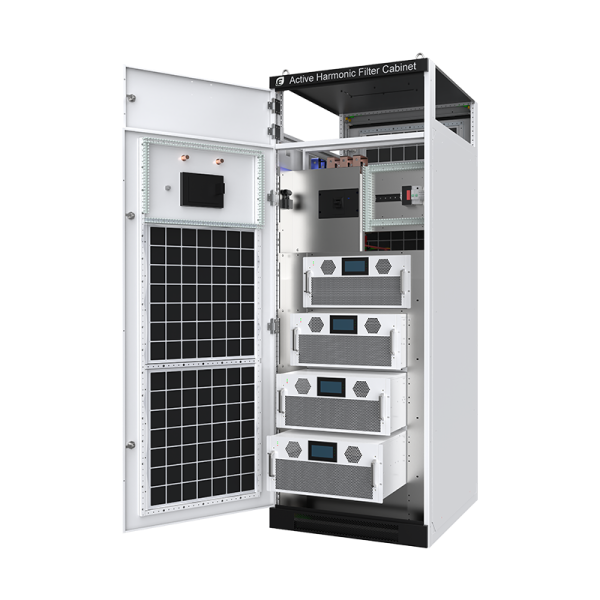
Factories, data centers, and commercial buildings increasingly operate equipment with fluctuating power demands. Motors, variable frequency drives, welding systems, and other nonlinear loads can create unstable reactive power conditions. Selecting the wrong correction method may leave the facility with poor power quality even after installing compensation equipment.
We don’t just size a capacitor bank and call it a day—at Enjoypowers, we analyze PF correction from the perspective of actual operating conditions, because a solution must match the behavior of the load, not simply compensate for a fixed value measured at one moment.
Why Compensation Speed Changes the Choice of PF Correction Method
Static compensation works by adding predetermined reactive power through components such as capacitor banks. It is effective when electrical demand remains relatively predictable because the compensation level can be planned according to normal operating conditions.
However, industrial power systems rarely remain completely stable throughout the day. Production lines start and stop, motors accelerate, and equipment cycles between different operating modes. These changes can create repeated over-compensation or under-compensation if the correction system cannot respond quickly enough.
The main difference between static and dynamic approaches is response behavior. Static systems adjust in steps, while dynamic systems continuously monitor the electrical condition and provide variable compensation according to real-time demand.
For facilities asking how to improve power quality, the first question should be whether the electrical load is stable or constantly changing. A stable load profile may not require advanced control, while a fluctuating environment usually needs faster correction.
Where Static Compensation Fits in Stable Electrical Systems
Static compensation remains useful in applications where reactive power demand follows a consistent pattern. For example, a facility operating large motors with predictable working schedules may benefit from fixed capacitor-based correction.
The main advantage of static systems is their straightforward design. They can provide economical reactive power support when engineers understand the expected load characteristics and the operating environment does not change significantly.
However, static methods have limitations. A capacitor bank cannot continuously adjust its output to match rapid variations in demand. If the load changes frequently, the system may experience periods where compensation is either insufficient or excessive.
Modern facilities must also consider that reactive power is only one part of power quality. Harmonic distortion, voltage fluctuations, and unbalanced loads can affect electrical performance. In these cases, a simple static solution may not address all operational concerns.
For this reason, many industrial users now evaluate PF correction solutions based on broader system requirements rather than only the initial installation cost.
Why Dynamic Compensation Is Preferred for Variable Industrial Loads
Dynamic compensation uses power electronics to respond rapidly to changing reactive power conditions. Static Var Generator (SVG) technology is one example of this approach, providing flexible reactive power compensation for systems where load conditions change rapidly.
Unlike traditional switching methods, dynamic systems can continuously adjust compensation output. This makes them suitable for environments with frequent equipment changes, variable production processes, or sensitive electrical loads.
Dynamic compensation is especially valuable when power factor problems occur alongside other power quality issues. Some SVG solutions can also support harmonic mitigation and three-phase load balancing, helping facilities address multiple electrical challenges through one platform.
At Enjoypowers, we design dynamic compensation systems around the operating characteristics of each site. Instead of treating PF correction as an isolated function, we consider how reactive power, harmonics, and load variation interact within the distribution network.
How We Evaluate the Right Compensation Approach for a Facility
Choosing between static and dynamic compensation begins with understanding the electrical profile of the facility.
The first step is measuring how reactive power changes during operation. A constant reactive demand suggests that static compensation may provide sufficient correction. A rapidly changing demand pattern indicates that dynamic control may deliver better results.
The second step is identifying whether other power quality problems exist. Equipment such as variable speed drives, power converters, and modern production systems may introduce harmonic issues that require more than basic reactive compensation.
The third step is considering future expansion. A correction system designed only for current conditions may become ineffective after production capacity increases or new electrical equipment is installed.
This evaluation process allows engineers to select PF correction solutions that support both current performance and future operational needs.
Moving from Basic Correction to Complete Power Quality Management
Power factor correction is no longer only about reducing reactive power consumption. Industrial users increasingly need solutions that improve electrical stability, protect equipment operation, and maintain efficient energy usage.
Static compensation can remain a practical choice for predictable systems, while dynamic compensation provides greater flexibility for changing industrial environments. The correct choice depends on load behavior, power quality objectives, and long-term facility requirements.
We believe effective power management starts with understanding the electrical challenges behind the measurement data. By matching compensation technology with real operating conditions, businesses can build more reliable and efficient power systems.
A well-designed correction strategy does not simply improve a single electrical parameter. It creates a foundation for better power quality management across the entire facility.