
Industrial electricity bills are often influenced by more than total energy consumption. A facility may operate efficiently throughout most of the month but still receive a high utility charge because of a short period when electricity demand reaches its maximum level.
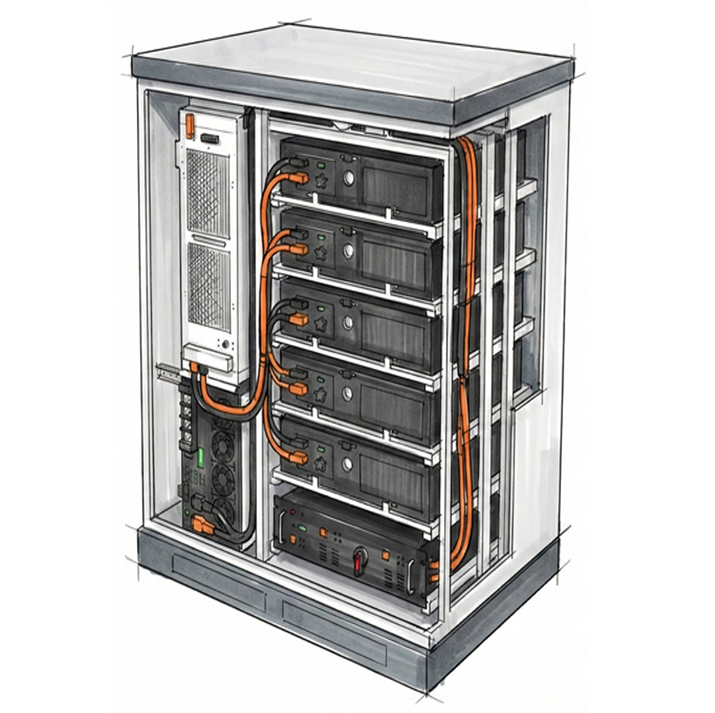
Demand charges create this challenge by measuring the highest power demand recorded during a billing period. A brief production peak, equipment startup sequence, or simultaneous operation of multiple loads can increase the monthly bill significantly.
Battery Energy Storage Systems (BESS) provide a way to manage these peaks by changing when electricity is drawn from the grid. Instead of allowing short demand spikes to determine costs, storage systems supply part of the required power during critical periods.
Why Demand Charges Become a Hidden Cost Driver for Industrial Facilities
Many industrial facilities focus on reducing electricity consumption, but demand charges are based on measured power demand during defined billing intervals rather than total energy consumed over time.
A factory may have predictable daily operations but still experience demand peaks when production schedules overlap. Large motors, HVAC systems, charging equipment, and automated machinery can create temporary increases in grid demand.
These short events can have a disproportionate effect on utility expenses. Reducing overall energy consumption does not always solve the problem because the highest demand point may occur only for a limited period.
Industrial energy storage solutions address this challenge by focusing on peak power management. The purpose is not necessarily to reduce how much energy a facility uses, but to reduce how much power it needs from the grid during expensive demand intervals.
BESS Changes the Timing of Energy Consumption Instead of Simply Reducing Usage
The main principle behind demand charge reduction is shifting energy use from one time period to another.
A BESS stores electricity when grid demand is lower and releases stored energy when facility demand approaches a peak threshold. During these high-demand periods, the battery supplies part of the required power, reducing the amount purchased from the utility.
This operation is commonly known as peak shaving. The facility continues operating normally, but the grid sees a smoother demand profile instead of sharp increases.
Our team at Enjoypowers designs energy storage systems around actual operating patterns. The effectiveness of a storage system depends on factors such as load behavior, peak timing, battery capacity, and control logic.
The objective is to create a coordinated energy flow where stored power supports the facility at the moments when demand costs are highest.
The Value of Storage Appears During Short Periods of Maximum Demand
A common misunderstanding is that energy storage must operate continuously to create financial value. In reality, demand charge reduction often depends on a relatively small number of high-demand events.
A facility may have dozens of operating hours where demand remains normal, but only a few intervals determine the monthly demand charge. BESS targets these critical periods by providing temporary power support.
For example, a manufacturing plant may experience a demand spike when several production lines start simultaneously after a scheduled break. Instead of increasing grid demand during this period, the storage system can discharge energy to reduce the peak.
Commercial and industrial energy storage systems are particularly valuable in environments where demand patterns are predictable and peak events occur regularly.
The economic benefit comes from controlling the relationship between facility load and utility demand measurement rather than simply storing electricity.
Successful Demand Reduction Depends on Control Strategy and Load Visibility
Installing a battery system alone does not guarantee demand savings. The system must understand when to charge, when to discharge, and how much power support is required.
Energy management controls analyze facility conditions and respond according to predefined demand targets. Poorly configured operation may discharge energy too early, leaving insufficient capacity during the actual peak period.
Load monitoring is therefore essential. Accurate data helps determine peak timing, required discharge power, and suitable operating strategies.
At Enjoypowers, we integrate storage solutions with intelligent control approaches to help businesses manage changing electricity demand. This supports the battery operates as an active energy management tool rather than simply a backup resource.
The best results come from matching system operation with the facility’s real electricity usage pattern.
Turning Peak Demand Management Into a Long-Term Energy Strategy
Demand charge reduction is one of the clearest financial applications of BESS because it directly targets a measurable utility cost.
However, the long-term value of storage comes from its ability to support broader energy management goals. A properly designed system can help businesses respond to changing load conditions and improve control over their electricity consumption profile.
Industrial energy storage solutions are becoming an important option for companies seeking greater control over energy expenses. Instead of accepting demand peaks as a fixed operating cost, facilities can actively manage when and how grid power is used.
To ensure that system design meets actual business objectives, we at Enjoypowers assist commercial and industrial users in evaluating storage applications based on real operational needs.
Reducing demand charges is not about using less energy at every moment. It is about using energy more strategically when the cost impact is highest. A BESS provides that flexibility by turning stored electricity into a tool for controlling peak demand and improving energy cost management.