
Reactive power compensation plays an important role in maintaining stable electrical systems, especially in industrial facilities with fluctuating loads. However, choosing between Static Var Generator (SVG) and Static Var Compensator (SVC) is not always straightforward.
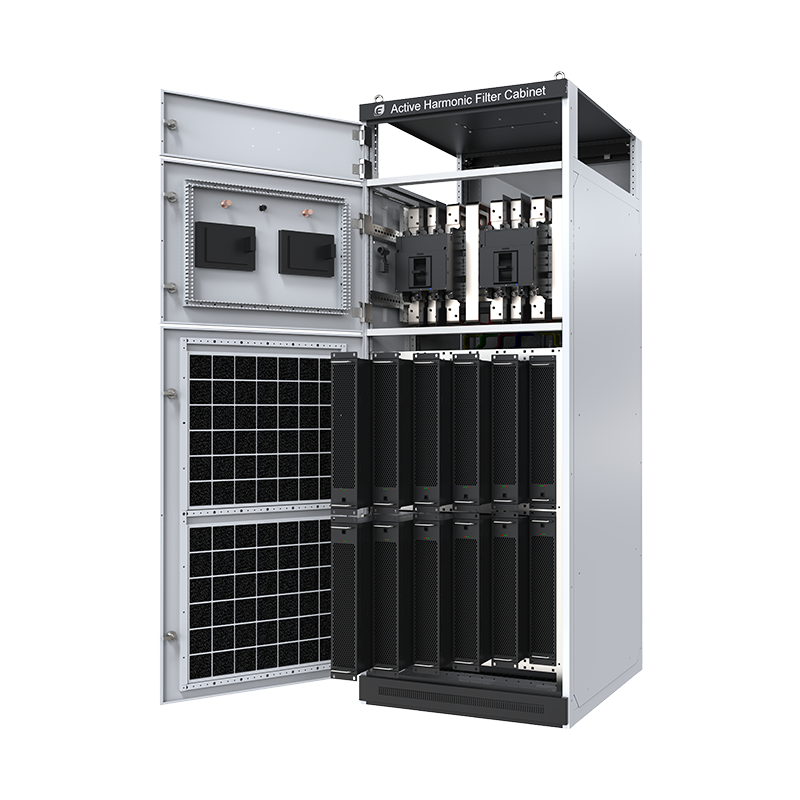
Both technologies are designed to improve reactive power management, but they use different approaches to control electrical conditions. The right choice depends on factors such as response speed, load variation, harmonic environment, and overall power quality objectives.
As industrial power systems become more dynamic, customers increasingly require compensation solutions that can respond quickly and maintain stable operation. At Enjoypowers, we develop power quality solutions that help industrial users manage reactive power and electrical disturbances more effectively.
Why Choosing Between SVG and SVC Requires More Than Comparing Reactive Power Ratings
When comparing SVG and SVC systems, many users initially focus on compensation capacity. Although reactive power capability is important, it does not fully describe how a device performs in real operating conditions.
Industrial loads are rarely constant. Equipment such as welding machines, cranes, variable-frequency drives, and large motors can create rapid changes in reactive power demand.
A compensation system must respond according to the characteristics of these load changes. A solution that works well for a stable load may not provide the same results in an environment with frequent fluctuations.
The comparison between SVG and SVC is therefore not only about how much reactive power a device can provide. It is also about how the technology controls that power, how quickly it responds, and how well it fits into the existing electrical system.
The Technical Difference Between SVG Dynamic Compensation and SVC Control Methods
SVG and SVC both address reactive power compensation, but their operating principles are different.
An SVC typically combines thyristor-controlled reactors and switched or controlled capacitor banks to regulate reactive power. By adjusting these reactive elements, the system changes its overall reactive power output.
SVG technology uses power electronics to generate or absorb reactive current directly. This allows the equipment to adjust compensation dynamically based on real-time system conditions.
The difference in control methods influences response characteristics. SVG systems generally provide faster and more precise compensation because they control current actively rather than switching passive reactive components.
For applications where electrical conditions change frequently, this dynamic capability can become an important factor during technology selection.
Where SVG Gains Advantages in Modern Industrial Power Systems
Modern industrial facilities increasingly require compensation equipment that can handle complex power conditions.
Rapidly changing loads can cause voltage fluctuations and unstable power factor conditions. In these environments, fast response is often more valuable than simply providing a fixed compensation capacity.
SVG technology can continuously adjust reactive current, helping maintain more stable electrical performance during changing operating conditions.
In addition, many industrial users face multiple power quality challenges at the same time. Reactive power issues may exist alongside harmonic distortion or load imbalance problems.
A manufacturer with broader power quality experience can better understand these combined challenges. Enjoypowers works as an active harmonic filter supplier, providing solutions designed for industrial environments where power quality improvement requires integrated technical consideration.
For facilities with demanding electrical conditions, SVG is often considered because of its flexibility and dynamic control capability.
Why SVC Still Remains Relevant in Specific Electrical Networks
Although SVG technology has become increasingly popular, SVC continues to have applications in certain electrical systems.
SVC solutions have been used for many years in power networks requiring reactive power regulation. Their technology foundation and operating characteristics make them suitable for some large-scale and relatively predictable applications.
In systems where load changes are slower and compensation requirements are well-defined, SVC can still provide an effective approach.
The selection between SVG and SVC should therefore consider the actual operating environment rather than assuming one technology is suitable for every project.
Electrical engineers need to evaluate load behavior, response requirements, installation conditions, and future system changes before choosing a compensation method.
Selecting Compensation Technology Based on Power Quality Objectives
The comparison between SVG and SVC shows that reactive power compensation is not a simple equipment selection decision.
SVG is often preferred when applications require rapid dynamic response, flexible control, and improved adaptability to changing loads. SVC may remain suitable where compensation requirements are more stable and traditional reactive power regulation methods meet the project objectives.
For industrial users, the most important step is identifying the actual power quality challenge before selecting equipment.
A supplier’s technical capability also influences project results. Working with an experienced cabinet-type active harmonic filter supplier can help customers evaluate reactive power, harmonic conditions, and system integration requirements together. Enjoypowers provides power quality solutions designed around industrial electrical challenges and customer application needs.
Ultimately, SVG and SVC are not competing technologies with one universal winner. The better choice depends on the electrical environment, performance expectations, and long-term power management goals of each project.