
An energy storage PCS datasheet can look like a collection of technical numbers, but each specification answers a specific engineering question. The challenge for many project teams is not finding the data; it is understanding what the data means for system design.
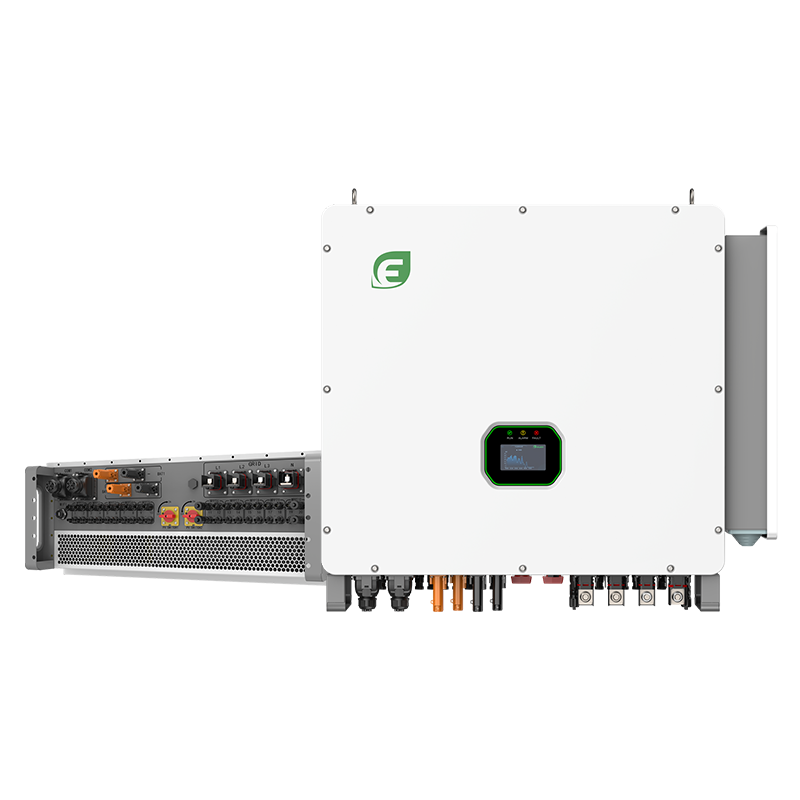
A PCS datasheet needs to be read from the perspective of energy movement. The equipment must connect a battery system with an AC network, manage charging and discharging, and operate according to project requirements.
We at Enjoypowers believe the most effective way to evaluate a PCS is to read the datasheet as a system document rather than a product brochure. Each parameter should be connected to the battery, grid conditions, and operating strategy of the energy storage project.
The First Page of a PCS Datasheet: Identify the Product’s Operating Role
Before comparing voltage ranges or efficiency values, engineers should first confirm what type of PCS they are reviewing and how it is intended to operate.
An energy storage PCS is designed for bidirectional power conversion. It converts AC power from the grid into DC power for battery charging and converts stored DC energy back into AC power during discharge.
This operating role explains why a PCS datasheet contains information related to both battery-side and grid-side conditions. The equipment must satisfy requirements from two different electrical systems at the same time.
A common question during equipment evaluation is What is the difference between a PCS and an inverter? The answer is found in the operating purpose. An inverter generally refers to a device that converts DC power into AC power, while a storage PCS is designed specifically for energy storage applications, including bidirectional conversion and coordination with battery systems.
This distinction affects datasheet interpretation. A reader looking only for an inverter-style power rating may overlook important PCS functions such as charging control, grid support capability, and communication with battery management systems.
The first section of a datasheet should therefore answer three basic questions:
- What battery system can this PCS connect to?
- What type of AC network can it support?
- What operating modes was it designed for?
Without this context, individual specifications can easily be misunderstood.
The Electrical Table: Follow the Energy Path From Battery to Grid
The main electrical specification table is where most technical comparisons begin. However, the values should not be reviewed separately. They describe the complete energy path through the PCS.
The DC input section shows how the PCS connects to the battery. Battery voltage range is one of the first parameters to check because the PCS must operate within the voltage window of the storage system.
A mismatch between battery voltage and PCS operating range can limit available capacity or prevent proper operation.
DC current capability is another important value because it determines how much power can flow between the battery and the converter. Even when the battery has sufficient stored energy, the PCS rating is one of the factors that determines the maximum charging and discharging power available from the system.
The AC output section describes how the PCS interacts with the electrical network. Rated power indicates the maximum conversion capability, while AC voltage and frequency specifications confirm whether the unit can match the project’s grid conditions.
For grid energy storage, these parameters determine whether the PCS can exchange power reliably with the electrical system. A storage project may have a large battery capacity, but the PCS rating defines how effectively that energy can be delivered.
Engineers should also pay attention to efficiency values. High efficiency reduces conversion losses, but the number should be considered together with expected operating conditions. A PCS operating near full power, partial load, or standby conditions may experience different efficiency levels.
The Details That Separate Similar PCS Models
Two PCS products may have similar power ratings but different operational capabilities. Additional specifications often reveal the differences that affect long-term project performance.
One important area is control capability. Energy storage systems are rarely operated as independent devices. The PCS usually communicates with the battery management system and energy management system to coordinate charging, discharging, and operating schedules.
Communication interfaces and supported protocols can determine how easily the PCS integrates into a complete storage system.
Operating modes are also worth reviewing. Depending on the application, the PCS may need functions related to grid-connected operation, reactive power control, or other grid interaction requirements.
Protection features provide another layer of information. Overvoltage protection, overcurrent protection, temperature monitoring, and other safety functions show how the PCS manages abnormal operating conditions.
Thermal design information can also influence selection. Commercial and industrial storage projects may operate in environments with changing temperatures and continuous cycling, making thermal management important for reliable operation.
Our approach at Enjoypowers goes beyond assessing conversion power alone. We also examine how the PCS integrates with other system components and maintains stable operation under real project conditions.
Turning Datasheet Numbers Into a Project Decision
A PCS datasheet becomes valuable only when the specifications are compared with the actual requirements of the project.
The correct evaluation process begins by defining the application. A factory using storage for peak demand management may have different requirements from a renewable energy project using storage for energy shifting.
After the application is defined, engineers can compare key questions:
- Does the PCS voltage range match the battery configuration?
- Does the rated power support the required charging and discharging schedule?
- Can the communication functions connect with the project control system?
- Can the operating modes support the intended energy strategy?
These questions transform technical data into a practical selection process.
Commercial and industrial projects require PCS selection based on actual operating requirements rather than maximum ratings alone. Factors such as facility load characteristics, grid conditions, and future system expansion should all be considered during evaluation.
At Enjoypowers, we connect technical specifications with real operating scenarios to help customers identify storage conversion solutions that align with their project objectives.
Reading an energy storage PCS datasheet is ultimately an exercise in connecting numbers with operation. Voltage ranges describe compatibility, power ratings describe energy movement capability, and control specifications describe how the PCS works within the complete storage system.
A careful datasheet review can help project teams avoid unsuitable selections and support reliable energy storage system operation.