
As energy storage systems increase in power capacity and operational intensity, thermal management has become a critical part of PCS design. Power conversion equipment continuously handles energy transfer between batteries and electrical loads, creating heat that must be controlled to maintain stable operation.
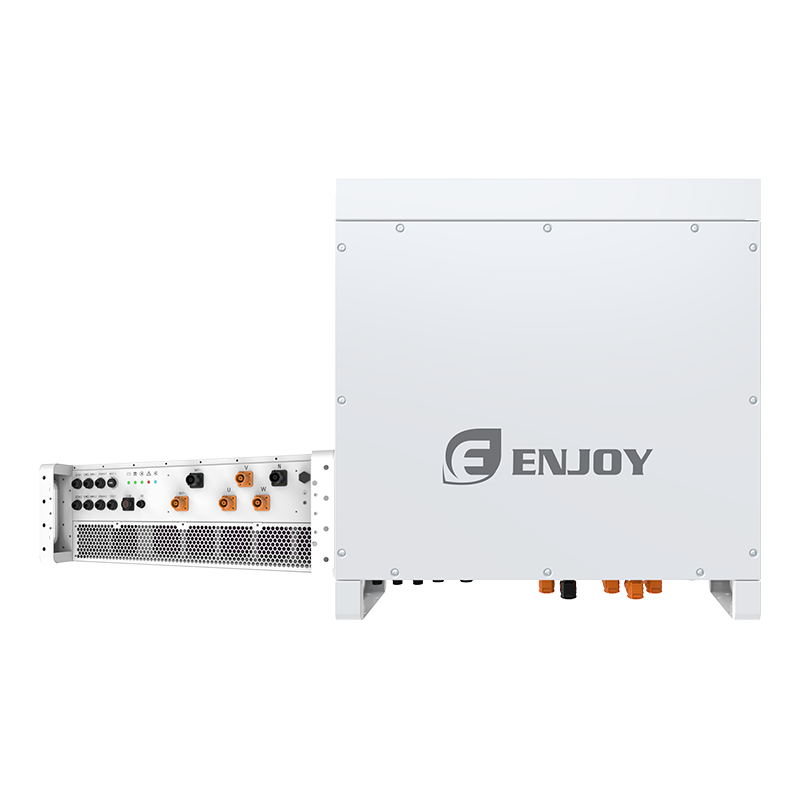
The choice between air cooling and liquid cooling is not only a question of technology preference. Each method affects system structure, installation requirements, maintenance processes, and operating performance.
Selecting the appropriate cooling approach requires understanding how the PCS will operate in its actual environment.
Thermal Management Becomes a Design Question as PCS Power Density Increases
A PCS converts electrical energy through power semiconductor components that generate heat during switching and power conversion. Without effective heat management, excessive temperature can affect component performance and shorten equipment service life.
As energy storage projects demand higher power output within limited installation spaces, controlling heat becomes more challenging. Cooling systems must maintain suitable operating temperatures while supporting continuous charge and discharge cycles.
The cooling method directly influences how effectively heat is transferred away from critical components. It also affects the physical design of the converter, including enclosure structure, internal layout, and maintenance access.
For project developers, choosing between air and liquid cooling means evaluating the relationship between system requirements and environmental conditions rather than selecting the most advanced technology available.
Air Cooling Prioritizes Simplicity and Easier System Maintenance
Air-cooled PCS designs use fans and airflow paths to remove heat from internal components. This approach has been widely adopted because of its relatively simple structure and straightforward maintenance process.
The main advantage of air cooling is operational simplicity. Fewer auxiliary components are required compared with liquid-based systems, which can reduce system complexity and make routine inspections easier.
Air cooling can be suitable for installations where environmental conditions are moderate and sufficient ventilation space is available. Systems with lower heat density may achieve reliable operation without requiring additional thermal management infrastructure.
However, airflow-based cooling depends on factors such as ambient temperature, ventilation design, and dust control. In harsh industrial environments, airflow paths may require additional protection and maintenance attention.
When selecting an energy storage PCS, engineers need to consider whether the installation environment allows air cooling to maintain consistent thermal performance throughout the operating cycle.
Liquid Cooling Supports Higher Thermal Control Requirements
Liquid cooling uses a circulating coolant system to transfer heat away from power components more efficiently. Because liquids generally provide better heat transfer capability than air, this method can support applications with higher thermal demands.
For large-scale energy storage systems, liquid cooling can provide more uniform temperature control across critical components. More consistent thermal conditions can help improve system stability during intensive operating periods.
A grid-forming PCS application, for example, may require reliable performance under demanding operating conditions because the converter plays a key role in maintaining voltage and frequency characteristics in certain power system configurations.
Liquid cooling can offer advantages where space limitations, high power density, or continuous operation create greater thermal management challenges.
However, liquid cooling systems also introduce additional components, including pumps, coolant circuits, and monitoring requirements. These factors must be considered during system design and long-term maintenance planning.
The Better Cooling Method Depends on Project Conditions, Not a Single Specification
There is no universal answer when comparing air cooling and liquid cooling. The suitable choice depends on the operating environment, power level, installation conditions, and lifecycle requirements of the energy storage project.
Air cooling may be preferred where simplicity, accessibility, and easier maintenance are priorities. Liquid cooling may become more attractive where compact design, higher power density, and tighter temperature control are required.
The decision should also consider factors such as climate conditions, installation location, expected operating cycles, and service strategy.
At Enjoypowers, we evaluate thermal design as part of the complete PCS architecture rather than treating cooling as an isolated feature. The cooling method must work together with converter performance, system controls, and project requirements.
PCS Cooling Design Should Support Long-Term Energy Storage Operation
Cooling technology directly influences how an energy storage system performs over years of operation. Effective thermal management helps maintain stable conversion efficiency and supports reliable equipment operation under changing loads.
The choice between air-cooled and liquid-cooled PCS solutions should therefore be based on practical operating needs rather than technology trends alone.
Our approach at Enjoypowers focuses on developing energy conversion solutions that match different application environments. By considering thermal behavior alongside electrical performance, system designers can create storage projects that deliver consistent operation throughout their expected service life.
The right cooling method is ultimately the one that provides the required thermal control while fitting the project’s operational strategy, maintenance capability, and performance objectives.