
When deciding between Chinese hybrid inverter manufacturers, it’s not enough to just compare costs and basic specs. There are a lot of vendors out there selling inverter solutions that appear the same, but their technical skills, approach to system design, and knowledge of energy storage projects might differ greatly.
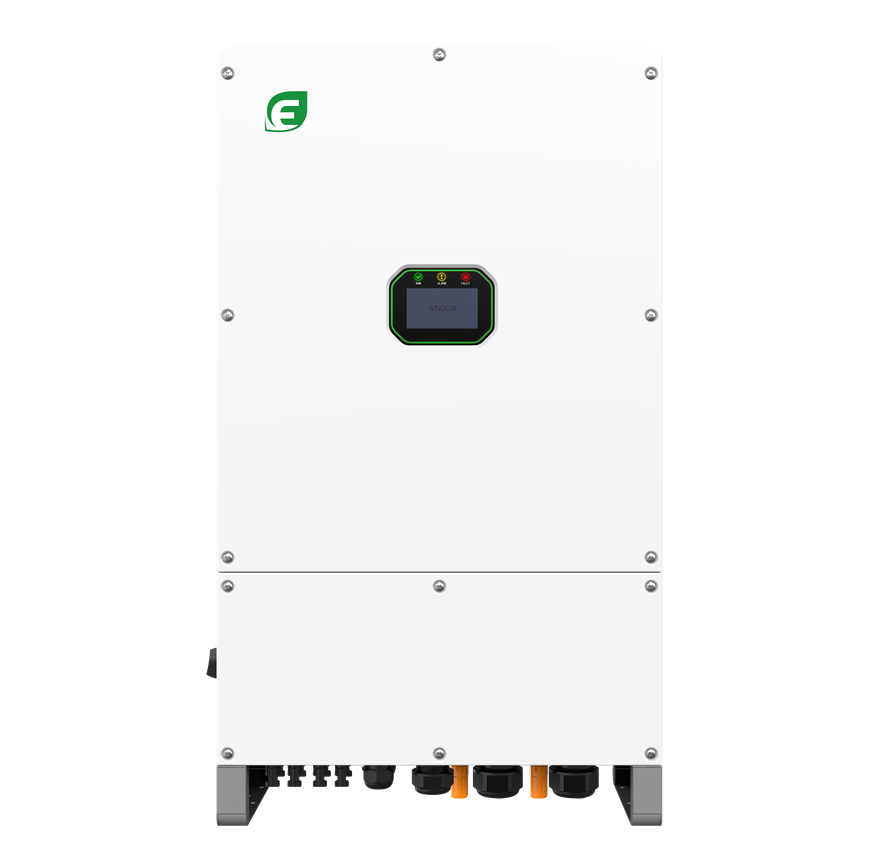
The primary concern for purchasers constructing solar-plus-storage systems goes beyond the availability of hybrid inverters. To what extent solar power, battery storage, electrical demands, and grid interaction can be reliably coordinated is the true question.
At Enjoypowers, we focus on developing hybrid inverter solutions that connect power conversion technology with practical energy management requirements.
Why Hybrid Inverter Supplier Selection Has Become More Technical
A traditional inverter mainly converts electricity from photovoltaic panels into usable AC power. A hybrid inverter performs a more complex role because it also manages battery charging and discharging, energy scheduling, and different operating conditions.
Many buyers begin supplier evaluation by asking, “What is the difference between a normal inverter and a hybrid inverter?” The main distinction is that a hybrid inverter integrates energy storage control into the conversion process instead of treating the battery system as a separate function.
This difference changes the way manufacturers design their products. A capable supplier must understand not only inverter hardware but also battery communication, energy management strategies, and system coordination.
China has become an important manufacturing base for hybrid inverter products, with suppliers serving residential, commercial, and industrial energy storage markets. However, manufacturing volume alone does not determine whether a supplier can support a complex project.
Buyers should examine how manufacturers approach the complete energy system rather than judging the inverter as an isolated component.
The First Difference: How Suppliers Handle Energy Conversion Design
The internal architecture of a hybrid inverter determines how effectively it manages multiple energy sources. A strong supplier designs the inverter around coordinated operation between PV input, battery storage, and AC output.
The power conversion section must handle energy movement in both directions. Solar energy can supply loads or charge batteries, while stored battery energy can return to the loads or grid when required.
A manufacturer with deeper engineering capability will focus on stable control between these energy paths. The inverter must respond to changing electricity demand while maintaining safe and predictable operation.
Battery communication is another area where suppliers differ. Hybrid systems rely on information from battery management systems to control charging limits, discharge conditions, and operational protection.
Enjoypowers designs hybrid inverter solutions with integrated energy control functions for projects requiring coordinated solar and storage operation.
For buyers, evaluating the supplier’s technical explanation of power flow is often more valuable than comparing a simple product brochure.
The Second Difference: How Suppliers Support Flexible Operating Modes
A major reason customers choose hybrid inverters is the ability to manage different operating scenarios. A supplier’s capability becomes clearer when examining whether its products can adapt to grid-connected and off-grid requirements.
Many buyers ask, “Can a hybrid inverter work off the grid?” The answer depends on the product design and system configuration. Hybrid inverters designed for off-grid operation generally need additional control functions to manage independent power supply conditions.
Off-grid operation requires the inverter to regulate energy from available sources, coordinate battery usage, and maintain stable power delivery without relying on the utility grid.
Grid-connected operation involves different priorities, such as renewable energy utilization, battery scheduling, or reducing electricity costs.
Manufacturers that understand these different operating modes can provide more suitable solutions because they consider the application objective rather than only the inverter hardware.
A supplier’s experience with various energy scenarios is therefore an important evaluation factor.
The Third Difference: How Manufacturers Approach Commercial Energy Applications
Commercial and industrial projects usually involve more complicated requirements than small-scale installations. Load patterns can change throughout the day, and energy management goals may include reducing peak demand, improving renewable utilization, or supporting backup power.
A strong hybrid inverter manufacturer should understand these project conditions and communicate effectively with EPC companies, system integrators, and facility operators.
The supplier should be able to discuss system architecture, installation planning, and future expansion rather than only providing equipment specifications.
For commercial projects, product flexibility also matters. Different sites may require different battery configurations, communication protocols, and integration methods.
Manufacturers with application experience can help customers avoid design problems before installation begins.
This is one reason supplier evaluation should include engineering support, not only manufacturing capability.
What Buyers Should Check Before Choosing a Chinese Hybrid Inverter Manufacturer
Before selecting a supplier, buyers should review several practical points:
- Does the manufacturer understand solar-plus-storage system design?
- Can the inverter coordinate PV, battery, load, and grid operation?
- Does the supplier support the required operating modes?
- Can the company provide technical communication during project development?
- Does the product design match future expansion plans?
Price remains an important factor, but it should be evaluated together with technical capability and project support.
The strongest manufacturers are not defined only by production capacity. They distinguish themselves through better system understanding, clearer engineering communication, and solutions that match real application requirements.
When looking for a Chinese hybrid inverter manufacturer, it’s important to choose one that can help with all aspects of energy management. Contemporary energy storage systems rely on hybrid inverters, which serve as both a substitute for traditional inverters and a control hub for the entire system.
Manufacturers that combine power conversion expertise with practical project experience are better positioned to help customers build reliable and flexible energy solutions.