
A hybrid inverter datasheet often highlights one number above others: peak efficiency. Although this figure provides useful technical information, it does not always represent how the inverter performs during daily operation.
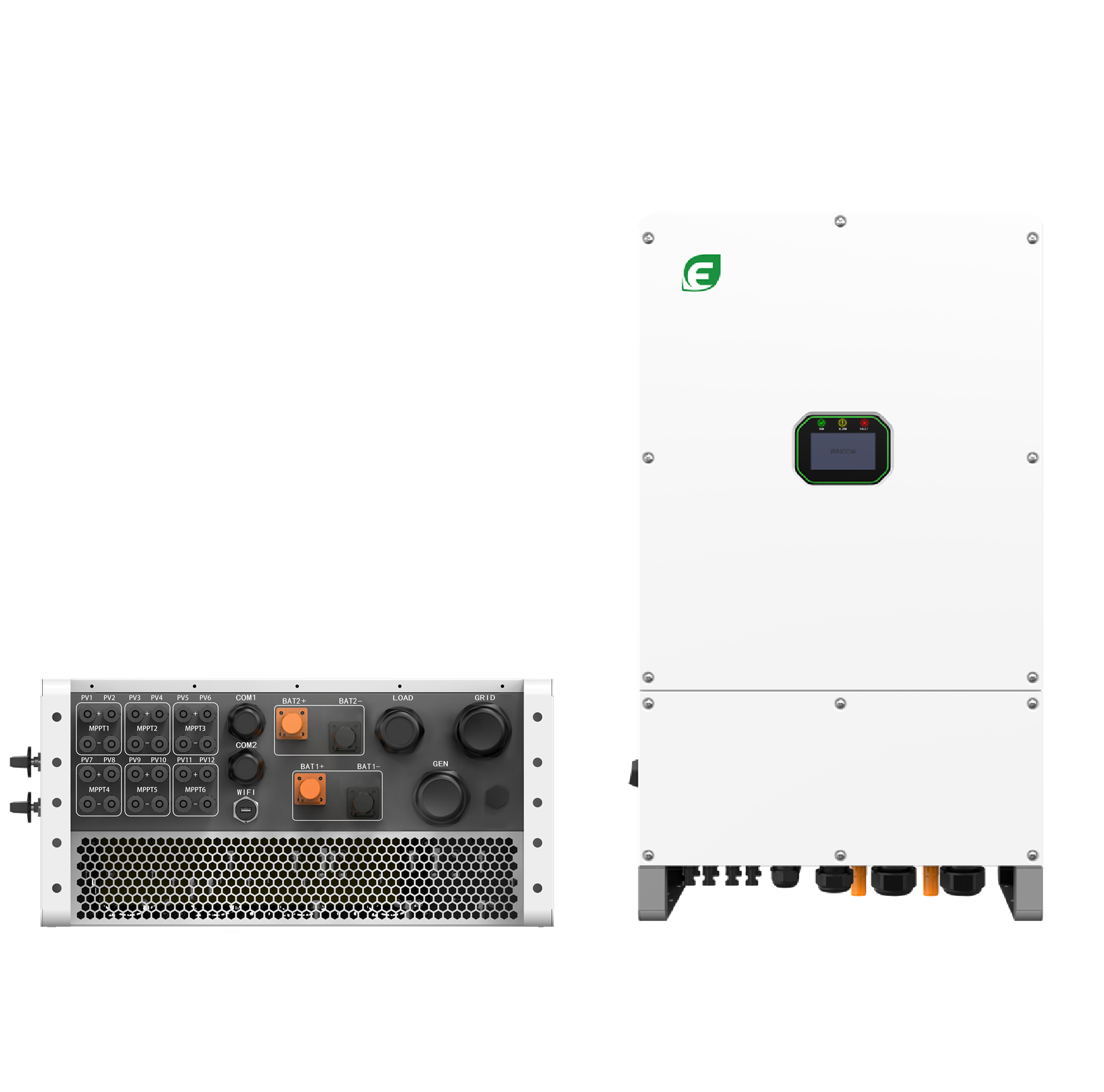
Commercial and industrial energy systems rarely operate at one fixed power level. Loads change throughout the day, batteries move between charging and discharging states, and renewable generation varies according to environmental conditions.
Because of these changes, evaluating a hybrid inverter requires looking beyond the highest efficiency value and understanding how the equipment performs across different operating scenarios.
At Enjoypowers, we focus on developing energy conversion solutions that consider practical operating conditions rather than relying on a single performance indicator. Our approach to hybrid inverter design considers the relationship between energy storage, power conversion, and real project requirements.
Why One Efficiency Number Cannot Represent Real Hybrid Inverter Operation
Peak efficiency represents the highest conversion efficiency achieved under specific testing conditions. It shows the best possible performance point of the inverter, but it does not describe every situation the equipment will experience.
A hybrid inverter may reach its maximum efficiency at a certain load level, input voltage, or operating condition. However, real installations rarely remain at that exact point.
During normal operation, the inverter may handle different power levels throughout the day. Morning solar generation, afternoon peak production, evening battery discharge, and nighttime standby operation can all create different efficiency conditions.
For system owners, the more important question is often not “what is the highest efficiency?” but “how efficiently does the inverter operate during the majority of its working hours?”
This distinction becomes increasingly important in commercial and industrial energy storage projects where equipment operates continuously over many years.
What Happens Between Peak Efficiency Testing and Daily Energy Conversion
The difference between peak efficiency and real operating efficiency comes from multiple system conditions.
One factor is power level. Conversion equipment generally behaves differently when operating near maximum capacity compared with situations where only a smaller amount of energy is being processed.
Battery conditions also influence performance. Charging and discharging operations may involve different conversion requirements, and the inverter must manage energy flow between multiple sources and loads.
Temperature, control strategies, and system configuration can also influence operating behavior. A well-designed inverter needs to maintain stable conversion performance while responding to changing energy demands.
A hybrid solar inverter is expected to coordinate solar generation, battery storage, and electrical loads. Because of this complexity, efficiency evaluation should include how the inverter manages different energy pathways rather than focusing only on a single laboratory value.
Why Load Conditions Matter More Than a Maximum Efficiency Figure
The daily load profile often determines the practical value of an inverter’s efficiency.
A facility may spend many hours operating under partial load instead of maximum output. During these periods, the inverter’s ability to maintain efficient conversion becomes more relevant than its peak rating.
For example, a system designed for a high-power application may still spend significant time managing smaller energy flows. If efficiency decreases significantly away from the peak point, the overall energy performance may not match expectations.
Engineers therefore examine efficiency curves and operating characteristics rather than reviewing only the highest percentage shown on a specification sheet.
For businesses investing in energy storage, small differences in conversion losses can accumulate over long operating periods. Evaluating realistic operating conditions helps create a more accurate understanding of system value.
How Engineers Evaluate Efficiency Beyond the Datasheet Value
A complete evaluation process considers several questions beyond the peak efficiency number.
First, engineers examine whether the inverter matches the intended application. A product designed for a specific operating environment may deliver better practical results than one selected only because of a higher maximum rating.
Second, they review how the inverter manages different operating modes. Energy storage systems require flexible control because power flows can change between renewable generation, battery storage, and facility consumption.
Third, they consider the manufacturer’s technical capability. A supplier with experience in power conversion can better understand the relationship between efficiency, control systems, and overall energy management.
We design our solutions at Enjoypowers around real application requirements, helping customers evaluate inverter performance from a complete system perspective instead of a single specification value.
Looking at Hybrid Inverter Efficiency as a System Performance Factor
Peak efficiency remains a useful specification, but it should be viewed as one part of a larger evaluation process.
A higher peak rating does not automatically guarantee better long-term results. Actual performance depends on operating conditions, energy flow patterns, system design, and the manufacturer’s ability to optimize conversion technology.
When evaluating inverter options, customers should focus on whether the equipment can deliver stable and efficient conversion performance under real operating conditions rather than relying on a single efficiency figure.
At Enjoypowers, we consider energy management from a broader system perspective. Our development of hybrid inverter solutions focuses on improving reliable energy conversion for commercial and industrial applications.
Recognizing the difference between peak efficiency and actual operating efficiency helps buyers make more informed decisions and select systems that can maintain consistent performance throughout their service life.