
A power outage creates a critical moment for facilities that depend on continuous electricity. The question is not only whether a backup system can provide power, but also how quickly it can transition from grid supply to stored energy.
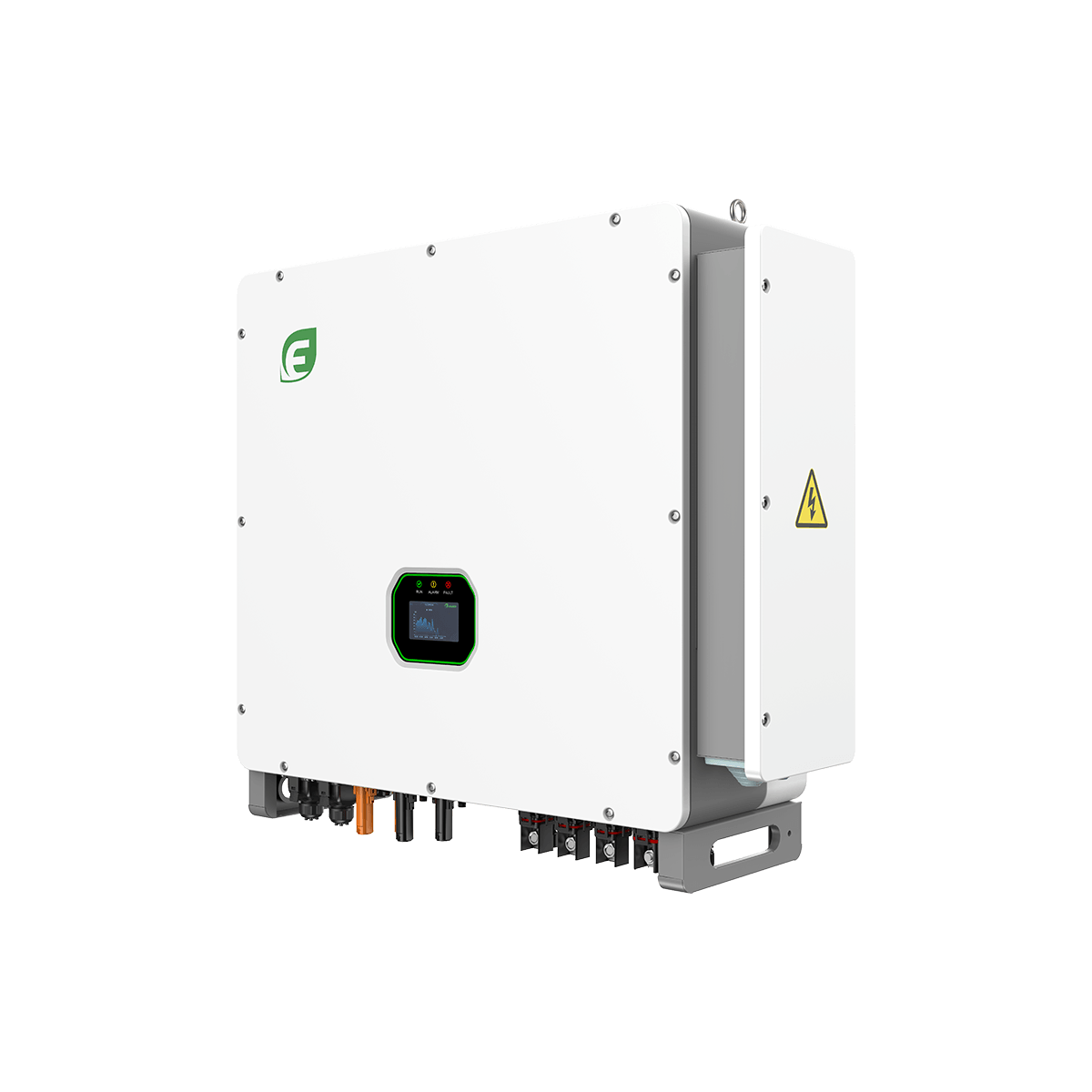
Critical loads often depend on how smoothly an energy system responds at the moment of grid failure. Backup switching behavior is therefore an important factor when evaluating a hybrid system, because even a short transition period may affect sensitive equipment operation.
At Enjoypowers, we analyze backup capability through the interaction between photovoltaic generation, battery storage, grid supply, and site loads. Rather than focusing only on inverter conversion functions, we design hybrid solutions around the actual power requirements and operating conditions of each project.
Backup Switching Speed Starts with the Outage Detection Process
The transfer from grid power to backup power involves several coordinated actions. Once a grid interruption occurs, the system must detect the abnormal condition, separate from the grid when required, and establish a stable power source for connected loads.
A modern PV hybrid inverter combines renewable energy conversion, battery management, and backup operation functions within one system architecture. Enjoypowers hybrid inverter solutions integrate PV input, battery connection, and grid/off-grid operation capabilities for commercial applications.
Switching speed depends on more than the inverter itself. Control algorithms, power electronics, switching components, and system configuration all influence how quickly backup power becomes available.
For facilities supporting sensitive equipment, even small differences in transfer performance may affect operation. Therefore, users should understand whether the system is designed for general backup or for loads that require faster response.
Enjoypowers focuses on analyzing the relationship between backup requirements and system design before recommending an energy solution. The goal is to ensure that switching behavior matches the expectations of the application.
The Inverter Architecture Determines How Quickly Loads Receive Backup Power
A hybrid inverter with integrated switching functions can simplify the transition between grid-connected and backup modes. The internal coordination between power conversion, battery control, and transfer mechanisms determines how efficiently the system responds during an outage.
Some commercial hybrid inverter systems are designed with built-in switching capabilities to support rapid grid-to-backup transitions. Enjoypowers hybrid inverter products, for example, are designed for PV, battery, and grid integration with backup functions for commercial and industrial scenarios.
The operating mode also affects backup behavior. A system configured mainly for self-consumption may prioritize solar and battery usage differently from one designed for emergency power continuity.
A grid-tied hybrid inverter must maintain synchronization with the utility during normal operation while being prepared to transition into an independent backup mode when grid conditions change.
Understanding this difference helps users avoid selecting equipment based only on energy storage capacity. Backup reliability depends on how effectively the inverter manages the transition between different power sources.
Choosing the Right Hybrid Inverter Requires Looking Beyond Transfer Time
Transfer speed is an important factor, but it should be evaluated together with other system requirements.
A faster transition does not automatically mean a better solution if the inverter cannot support the required load profile, battery configuration, or operating environment. The overall system must match the facility’s electrical characteristics.
Commercial projects often require consideration of load priority, backup capacity, and future expansion. A system supporting critical loads may need different configuration choices compared with one designed mainly for energy cost optimization.
Enjoypowers works with customers to evaluate these factors when designing hybrid energy solutions. The selection process considers how the inverter will operate under normal grid conditions as well as during unexpected outages.
The role of a grid-tied hybrid inverter is also changing as more facilities combine renewable energy, storage, and backup requirements. These systems must balance grid interaction with independent operation to provide flexible energy management.
For this reason, users should examine the complete operating strategy rather than focusing only on one specification.
Faster Switching Supports More Reliable Energy Resilience
Backup switching speed is ultimately about maintaining continuity when normal power sources fail. The right hybrid inverter should provide a transition process that fits the needs of the connected equipment and the operating goals of the facility.
System design, control technology, and integration methods all influence how quickly backup power becomes available. A suitable solution depends on understanding the relationship between outage response and the facility’s actual electrical requirements.
Each hybrid energy project requires an understanding of its operating environment and power requirements. Through our experience at Enjoypowers, we support customers in creating backup solutions that deliver dependable operation and effective energy utilization.
The most effective backup solution is not simply the inverter with the shortest transfer time. It is the system that combines appropriate switching capability, stable operation, and effective coordination between renewable energy, batteries, and loads.