
PV systems do not always operate under ideal sunlight conditions. A section of panels may be shaded by nearby structures, dust, or changing weather, while different PV strings may experience unequal temperatures or irradiance levels.
Under these conditions, the electrical behavior of the PV array changes. Instead of having one clear maximum power point, the system may produce multiple possible operating points, making it harder for traditional control methods to identify the highest available output.
MPPT algorithms are designed to solve this problem by continuously adjusting the operating point of the PV source. In DC-coupled battery storage systems, the algorithm works together with power conversion equipment to maintain efficient energy transfer between PV strings and batteries.
At Enjoypowers, we develop energy storage conversion solutions that focus on improving the connection between renewable generation and battery systems. Our DC power conversion technologies are designed around practical requirements in commercial and industrial energy applications.
Why PV Strings Stop Behaving Predictably Under Partial Shading
An MPPT controller normally operates the PV string near the voltage and current point that produces maximum available power. Under relatively uniform irradiance, the P-V curve typically has a single dominant maximum power point.
Partial shading changes this condition. Different sections of the PV array receive different levels of solar radiation, causing uneven current generation between connected modules or strings.
The result is a more complex power curve with multiple peaks. Some points represent local maximum power conditions, while another point may provide the highest available output for the entire array. Research on partial shading conditions shows that conventional MPPT methods designed for uniform irradiation can struggle because they may become trapped at local peaks instead of identifying the global maximum point.
Mismatch between PV strings creates a similar challenge. Even if two strings have the same design, differences in shading, orientation, or operating conditions can cause them to produce different electrical characteristics.
The control system must therefore respond to a constantly changing energy landscape rather than follow one fixed operating point.
How MPPT Algorithms Search for the Best Operating Point After PV Mismatch Appears
MPPT algorithms work by adjusting the electrical operating conditions of the PV source and observing how power output changes.
Traditional methods, such as perturb-and-observe and incremental conductance, modify voltage or current references and use feedback measurements to approach the maximum power point. These methods can perform effectively when the PV curve has a single clear peak.
Partial shading requires more advanced tracking logic because the controller must distinguish between local and global maximum points.
Modern algorithms may introduce wider searching methods, adaptive control strategies, or improved tracking procedures to avoid stopping at an unsuitable peak. The objective is not simply to find increased power temporarily but to continuously locate the best available operating point as conditions change.
A well-designed MPPT system also needs to balance tracking speed and stability. A very aggressive search may respond quickly but create unnecessary fluctuations, while a slower approach may miss available energy during rapid environmental changes.
Why DC-DC Conversion Becomes the Link Between PV Strings and Battery Storage
In DC-coupled battery storage systems, the connection between PV generation and battery charging depends heavily on DC power conversion.
A DC-DC converter allows the PV side and battery side to operate at different voltage levels while maintaining controlled energy transfer. The MPPT algorithm adjusts converter operation so the PV source remains close to its most productive operating condition.
This relationship is especially important during partial shading because the converter provides the control flexibility needed to modify the PV operating point.
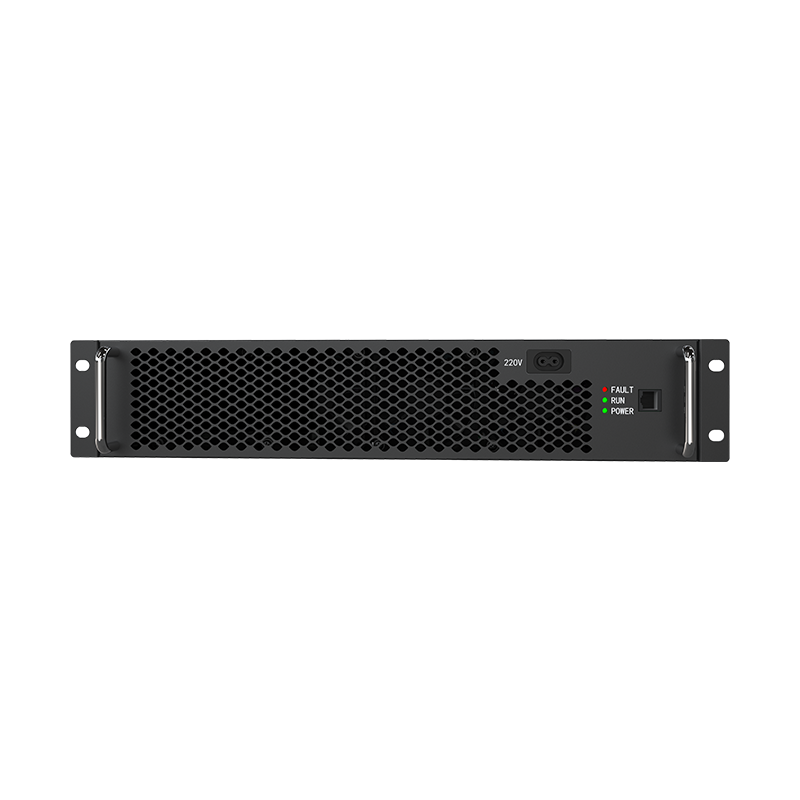
A dedicated MPPT DC-DC converter can help manage the interaction between PV strings and batteries by separating PV optimization from other system functions. Enjoypowers provides DC conversion solutions for energy storage architectures where flexible PV energy management is required.
Without effective converter control, even an advanced algorithm may not achieve its intended result because the system lacks the hardware capability to adjust operating conditions.
How Advanced MPPT Strategies Improve Energy Capture in Complex PV Conditions
Algorithm development has focused on improving tracking accuracy when PV systems experience unstable or uneven conditions.
Some approaches modify traditional algorithms to improve global searching ability, while others combine multiple control techniques to respond more effectively to complex shading patterns.
The choice of algorithm depends on system structure, PV configuration, and expected operating conditions. A large commercial installation with multiple PV strings may require different control considerations compared with a smaller system.
Hardware architecture also influences MPPT performance. Multiple conversion points, independent string control, or optimized DC-DC modules can provide additional flexibility for managing mismatched PV inputs.
For engineers designing storage systems, MPPT is not only a software function. It is the result of cooperation between algorithms, converters, sensors, and overall system architecture.
Designing DC-Coupled Storage Systems Around Real PV Operating Conditions
Partial shading and PV string mismatch cannot always be avoided, but their impact can be managed through appropriate control strategies and system design.
MPPT algorithms provide the intelligence needed to locate useful power points, while DC-DC conversion equipment provides the ability to adjust electrical conditions and maintain efficient energy transfer.
We believe effective DC-coupled battery storage design requires attention to both control methods and hardware capability. At Enjoypowers, we continue developing energy conversion solutions that support reliable renewable energy integration and practical industrial storage requirements.
The performance of a PV storage system depends not only on how much solar energy is available but also on how effectively the system can respond when conditions change. Understanding how MPPT algorithms handle shading and mismatch helps engineers build more adaptable and efficient energy storage systems.