
Power quality has become a critical concern for modern industrial facilities as more sensitive equipment, automation systems, and power electronic devices are connected to electrical networks. Voltage fluctuations, harmonics, and reactive power issues can affect equipment performance and operational stability.
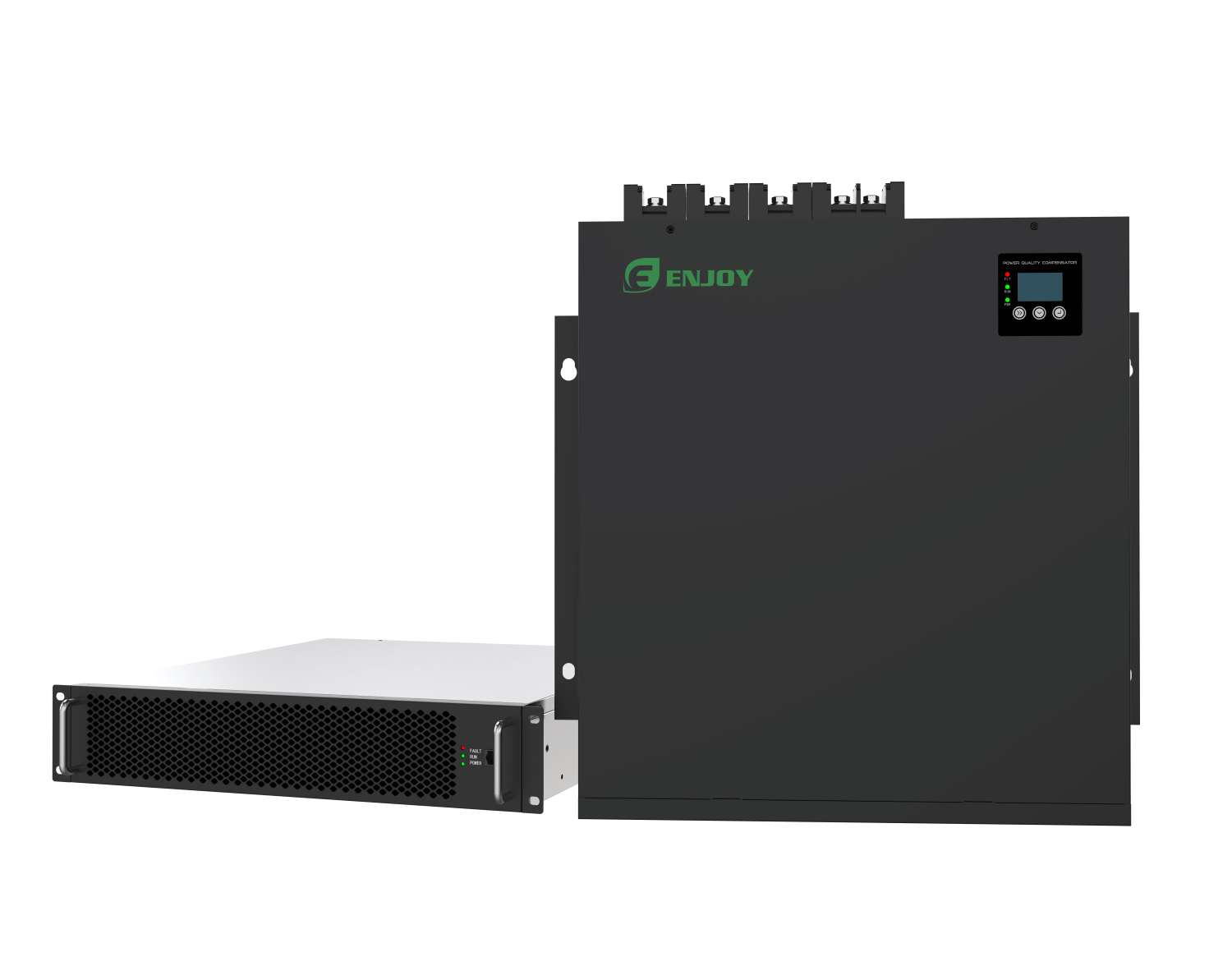
Many customers ask us about the difference between active electric power quality and passive power quality solutions. Understanding how these approaches work helps businesses select the right technology for improving electrical system reliability and efficiency.
What Is Passive Power Quality and How Does It Work?
Passive power quality refers to traditional methods that use fixed electrical components to manage certain power issues. These solutions commonly include capacitors, reactors, and passive filters designed to compensate for reactive power or reduce specific harmonic disturbances.
The main advantage of passive approaches is their simple structure and relatively straightforward installation. For applications with stable loads and predictable operating conditions, passive equipment can provide effective support for basic power quality improvement.
However, passive solutions have limitations when electrical loads change frequently. Since their compensation capability is fixed, they cannot quickly adapt to dynamic industrial environments where equipment operation varies throughout the day.
For example, factories with variable frequency drives, welding equipment, or automated production lines may experience changing harmonic levels and reactive power demands. In these cases, passive methods may not provide enough flexibility.
Active Power Quality Provides Dynamic Electrical Control
Active power quality solutions use advanced power electronics and real-time control technology to respond to changing electrical conditions. Instead of relying only on fixed components, these systems continuously monitor the grid and adjust compensation output according to actual requirements.
At Enjoypowers, we focus on developing intelligent power quality technologies that help industrial customers manage complex electrical challenges. Our solutions are designed to address issues such as harmonic distortion, low power factor, and load imbalance through dynamic compensation methods.
Compared with passive methods, active solutions can respond much faster to fluctuations. This makes them suitable for facilities where production equipment creates rapidly changing electrical demands.
For instance, an industrial plant with multiple motors, converters, or digital control systems may require continuous adjustment to maintain stable operation. Active technology can provide this flexibility by adapting compensation performance in real time.
Comparing Active and Passive Power Quality Approaches
The biggest difference between active power quality and passive power quality is the ability to respond to changing conditions.
Passive systems usually operate based on predetermined parameters. Once installed, their performance remains relatively fixed. They are practical for applications with consistent electrical characteristics but may require additional equipment when system conditions change.
Active solutions, on the other hand, use electronic control systems to analyze electrical parameters and provide adjustable compensation. This makes them more suitable for modern industrial environments with complex loads.
Another important difference is harmonic management. Passive filters are typically designed for specific frequency ranges, while active filtering technologies can analyze and compensate for a wider range of harmonic problems.
When customers evaluate power quality products, we recommend first identifying the actual electrical problems rather than selecting equipment based only on capacity. Different facilities may require different combinations of harmonic filtering, reactive power compensation, or voltage management.
Choosing the Right Power Quality Products for Industrial Applications
Selecting suitable power quality products requires a detailed understanding of the electrical system. Important factors include load characteristics, transformer capacity, existing harmonic levels, power factor requirements, and future expansion plans.
For manufacturing plants, data centers, renewable energy facilities, and commercial buildings, active solutions are often considered when loads are highly variable or sensitive equipment requires stable power conditions.
Passive solutions may still be valuable in situations where electrical demands remain stable and the targeted power issue is limited. In some cases, a hybrid approach combining different technologies can provide a balanced solution between performance and investment.
Our engineering team at Enjoypowers evaluates each application based on actual operating conditions. This approach allows customers to avoid unnecessary investment while ensuring that the selected technology matches their power quality objectives.
Practical Considerations Before Implementing a Solution
Before installing any power quality equipment, businesses should perform an electrical assessment. Measuring harmonic distortion, reactive power demand, and load behavior provides valuable information for system design.
Incorrect selection can lead to inefficient compensation or insufficient problem resolution. For example, installing reactive compensation equipment without understanding harmonic conditions may not fully solve the underlying issue.
Maintenance requirements should also be considered. Active systems generally require monitoring and control capabilities, while passive equipment may require inspection of components such as capacitors and filters over time.
A well-designed power quality strategy should consider both current operational needs and future changes. As industrial facilities introduce more automation and power electronic equipment, flexible solutions become increasingly important.
Conclusion
Active and passive power quality solutions serve different purposes in electrical system management. Passive approaches provide reliable support for stable applications, while active technologies offer dynamic control for complex industrial environments.
The right choice depends on the specific challenges of each facility, including load variation, harmonic levels, and reliability requirements. By understanding these differences, businesses can make better decisions about improving electrical performance.
At Enjoypowers, we continue to provide advanced solutions that help industrial customers achieve more stable, efficient, and reliable power systems. Through proper assessment and technology selection, companies can improve equipment operation and build stronger energy infrastructure.