
Industrial electrical systems are becoming increasingly complex as more power electronic devices are introduced into factories, commercial buildings, and infrastructure facilities. Equipment such as variable frequency drives, UPS systems, and automation controllers can improve efficiency, but they may also create harmonic distortion that affects power quality.
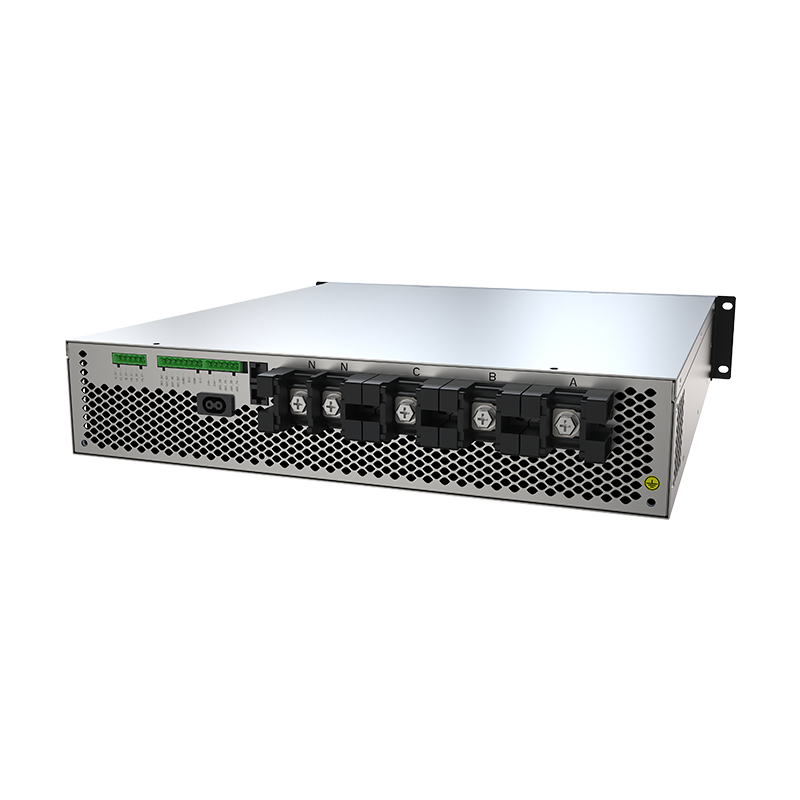
When harmonic problems occur, businesses often consider harmonic filtering solutions to protect equipment and improve system stability. Two common technologies are Active Harmonic Filters (AHF) and Passive Harmonic Filters (PHF). Although both are designed to reduce harmonic distortion, their operating principles, application scenarios, and performance characteristics are different.
A common question from industrial users is: Does a harmonic filter correct power factor? Understanding the relationship between harmonic filtering and power factor correction is important when selecting suitable power quality products for an electrical system.
What Is the Difference Between AHF and PHF?
The main difference between an Active Harmonic Filter and a Passive Harmonic Filter is the way they respond to harmonic distortion. An AHF uses advanced power electronics to monitor electrical conditions and generate compensation currents that cancel unwanted harmonics in real time.
Because AHF systems can continuously analyze changing electrical conditions, they are suitable for applications where loads vary frequently. For example, manufacturing facilities, data centers, and commercial buildings often experience changing power demand due to different operating schedules and equipment usage.
A Passive Harmonic Filter works differently. It uses fixed components such as capacitors, inductors, and resistors to filter specific harmonic frequencies. The filter design is based on the expected harmonic characteristics of the electrical system.
PHF solutions can be effective when harmonic sources are stable and predictable. However, because the filtering performance is determined during the design stage, changes in system conditions may reduce effectiveness. If a facility adds new equipment or significantly changes its load profile, the existing passive filter may require adjustment.
How Do AHF and PHF Perform in Real Applications?
In practical industrial environments, the choice between AHF and PHF depends largely on the stability of the electrical load and the complexity of harmonic sources.
AHF provides greater flexibility because it can compensate for multiple harmonic orders and adapt to changing operating conditions. This makes it suitable for facilities where electrical loads are frequently adjusted or where different types of nonlinear equipment operate simultaneously.
For example, a modern manufacturing plant may operate different production lines with changing power requirements throughout the day. In this situation, harmonic levels may fluctuate significantly, making dynamic compensation technology a valuable option.
PHF is often used in systems where the harmonic characteristics are already known. If a facility has a stable load with a consistent harmonic pattern, a properly designed passive solution can provide effective harmonic reduction.
However, PHF selection requires accurate analysis before installation. Engineers need to understand the harmonic source, system capacity, and expected operating conditions to ensure the filter matches the application.
Does a Harmonic Filter Correct Power Factor?
Many customers ask, “Does a harmonic filter correct power factor?” The answer depends on the type of filter and its functions.
The main purpose of a harmonic filter is to reduce harmonic distortion, but some filtering systems can also improve power factor. This is because power factor has different components, including displacement power factor and distortion power factor.
AHF systems with reactive power compensation functions can help improve both harmonic distortion and reactive power issues. By providing compensation current, these systems can support better electrical efficiency while maintaining cleaner power waveforms.
Passive harmonic filters may also contribute to power factor improvement because capacitor-based designs can provide reactive power compensation. However, the level of improvement depends on the specific design and electrical conditions.
Therefore, businesses should not select a harmonic filter only based on power factor expectations. A complete power quality analysis should determine whether the main requirement is harmonic reduction, reactive power compensation, or both.
How to Select the Right Harmonic Filtering Solution
Choosing between AHF and PHF requires a clear understanding of the electrical environment. Before selecting equipment, businesses should evaluate factors such as harmonic levels, load variation, equipment sensitivity, and future expansion plans.
For facilities with changing loads, complex power systems, or strict power quality requirements, AHF is often a more flexible choice. Its ability to respond dynamically allows it to handle changing operating conditions more effectively.
For applications with stable loads and predictable harmonic sources, PHF can provide a practical and economical approach. However, proper engineering analysis is essential to ensure the filter design matches the actual system requirements.
Beyond the technology itself, supplier engineering capability is also an important consideration. A professional provider should be able to analyze electrical conditions, recommend suitable solutions, and provide technical support throughout installation and operation.
At Enjoypowers, we focus on developing power quality products that address harmonic distortion, reactive power challenges, and electrical system stability. Our solutions are designed based on practical application requirements, helping customers improve power performance in different industrial environments.
Improving Electrical Reliability Through Proper Harmonic Management
Harmonic control is becoming increasingly important as industries continue adopting digital equipment and advanced automation technologies. Poor power quality can increase equipment stress, reduce operational efficiency, and create unnecessary maintenance challenges.
Selecting the right harmonic filtering approach can help companies build a more reliable electrical system. However, the best solution depends on actual operating conditions rather than simply choosing the newest technology.
A successful power quality strategy usually combines electrical measurement, system analysis, suitable equipment selection, and ongoing monitoring. This approach allows businesses to address current problems while preparing for future changes in energy demand.
With growing experience in industrial power quality applications, Enjoypowers supports customers in evaluating electrical challenges and implementing appropriate solutions. By focusing on engineering performance and application requirements, businesses can achieve more stable and efficient power systems.
Conclusion
AHF and PHF are both effective technologies for reducing harmonic distortion, but they are designed for different application needs. Active Harmonic Filters provide dynamic compensation and adaptability, while Passive Harmonic Filters offer fixed filtering based on specific harmonic conditions.
For companies asking Does a harmonic filter correct power factor, the answer depends on the selected system configuration. Some harmonic filters can provide power factor improvement, but their primary function remains harmonic management.
A detailed assessment of electrical conditions is the key to selecting the right solution. By choosing suitable power quality products and working with an experienced technical partner, industrial users can improve system reliability, protect equipment, and maintain better electrical performance.