
As solar energy and battery storage become more widely adopted, many businesses and energy users are looking for simpler ways to manage renewable power, backup energy, and grid interaction. This demand has increased interest in all-in-one energy conversion solutions.
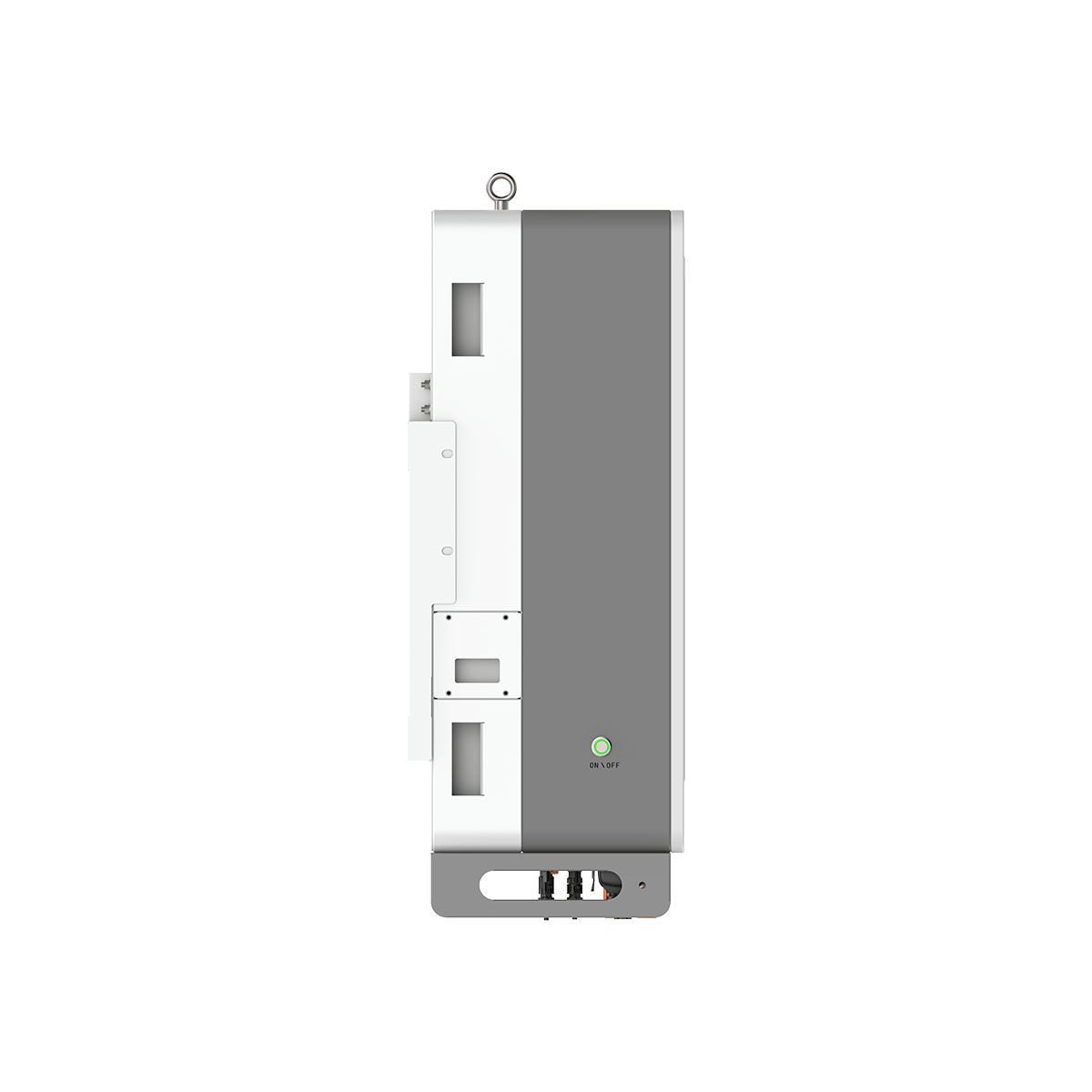
An all-in-one hybrid inverter combines multiple energy management functions into a single system instead of requiring separate devices for each task. However, many users still ask what “all-in-one” actually includes and how it differs from traditional inverter configurations.
Understanding the internal functions of an all-in-one system helps customers evaluate whether it fits their energy requirements, especially for applications involving solar generation, battery storage, and backup power.
What Is an All-in-One Hybrid Inverter?
An all-in-one hybrid inverter is an integrated energy conversion system that combines several components required for solar and battery energy management. Instead of installing separate inverters, controllers, and switching devices, these functions are built into one coordinated platform.
A typical hybrid inverter system may include power conversion, solar energy management, battery charging and discharging control, and energy monitoring functions. The exact configuration depends on the system design and application requirements.
For commercial and industrial applications, integrated designs can simplify system architecture by reducing the number of separate components and improving communication between different energy management functions.
At Enjoypowers, we focus on practical energy conversion designs that help users manage renewable energy and storage systems more efficiently. The goal is not simply combining components, but ensuring that different functions work together reliably within one energy platform.
Key Components Included in an All-in-One System
Hybrid Solar Inverter: Combining Solar and Storage Control
The core component of an all-in-one system is usually the hybrid solar inverter. It manages the conversion between DC power from solar panels or batteries and AC power used by electrical loads.
Unlike a traditional grid-tied inverter that mainly converts solar energy for immediate use, a hybrid solar inverter can coordinate energy from multiple sources, including solar generation, batteries, and the utility grid.
This allows users to store excess solar energy during periods of high generation and use stored energy when solar output decreases or electricity demand increases.
The inverter also controls the flow of electricity between different parts of the system, helping optimize energy usage based on operating conditions.
Battery Energy Management Function
Battery integration is another important part of an all-in-one design. The system manages battery charging and discharging based on energy availability, load demand, and user-defined strategies.
For example, during periods of low electricity prices or high solar production, the battery may be charged. During peak demand periods or grid interruptions, stored energy can support electrical loads.
This coordinated management helps improve energy utilization and provides greater flexibility compared with systems where batteries and inverters operate separately.
Solar MPPT and Energy Optimization
Many all-in-one hybrid systems include Maximum Power Point Tracking (MPPT) technology. MPPT helps solar arrays operate at their optimal output by continuously adjusting electrical parameters according to changing sunlight conditions.
This function is especially important because solar generation changes throughout the day due to weather, temperature, and shading conditions.
By integrating MPPT with the inverter, the system can directly manage solar input without requiring an additional external controller.
For facilities looking to improve renewable energy utilization, this integrated approach can simplify installation and reduce system complexity.
Hybrid Inverter Off-Grid Capability
One major feature that attracts attention is hybrid inverter off-grid operation. Unlike standard grid-connected inverters that stop working during grid outages, hybrid systems can support backup operation when properly configured.
In an off-grid mode, the inverter disconnects from the utility grid and continues supplying power using available energy sources such as batteries and solar generation.
This capability is valuable for applications where power continuity is important, including remote facilities, microgrids, and critical commercial operations.
However, users should carefully evaluate backup requirements before selecting a system. Factors such as load type, required backup duration, and available battery capacity all influence system performance.
Energy Management System and Smart Control
An all-in-one hybrid inverter often includes energy management functions that coordinate how power moves between solar panels, batteries, loads, and the grid.
The energy management system can prioritize different energy sources based on operational goals. For example, a user may prioritize solar self-consumption, peak demand reduction, or backup readiness.
For larger commercial and industrial projects, intelligent control becomes increasingly important because energy usage patterns can be complex.
Enjoypowers has observed that customers are paying more attention to integrated control because modern energy systems require better coordination between generation, storage, and consumption.
Benefits of an Integrated Hybrid System
The main advantage of an all-in-one design is simplified system integration. Combining multiple functions into one platform can reduce wiring requirements, installation complexity, and communication challenges.
Another benefit is improved coordination. When inverter control, battery management, and energy monitoring are designed together, the system can respond more effectively to changing energy conditions.
An integrated solution can also make system expansion easier. Many hybrid systems are designed with scalability in mind, allowing users to increase storage capacity or add additional energy resources as requirements grow.
However, an all-in-one system is not automatically the best choice for every project. Large-scale industrial applications may still require customized architectures with separate components to meet specific power requirements.
How to Choose the Right Hybrid Inverter Solution
When selecting an all-in-one system, users should consider several factors:
First, evaluate the required power capacity and energy storage size. The inverter must match the expected load demand and battery configuration.
Second, consider operating modes. Some projects mainly require grid-connected operation, while others need strong backup or hybrid inverter off-grid capability.
Third, review system compatibility. The inverter should work effectively with solar panels, batteries, energy management platforms, and existing electrical infrastructure.
A detailed evaluation before installation helps ensure the system provides reliable performance throughout its operating life.
Conclusion
An all-in-one hybrid inverter combines multiple energy management functions, including power conversion, solar optimization, battery control, and grid interaction, into a single integrated platform.
The main value of this approach is simplified design, better coordination, and flexible energy management. For applications involving solar generation and battery storage, integrated systems can provide a practical way to improve energy efficiency and reliability.
At Enjoypowers, we believe successful energy storage projects depend on matching technology with real application needs. Understanding what an all-in-one system includes allows customers to make better decisions when planning future energy infrastructure.