
Battery energy storage systems are becoming an important part of modern industrial and commercial power management. While batteries store electrical energy, the Power Conversion System (PCS) determines how efficiently that energy can be converted, controlled, and delivered.
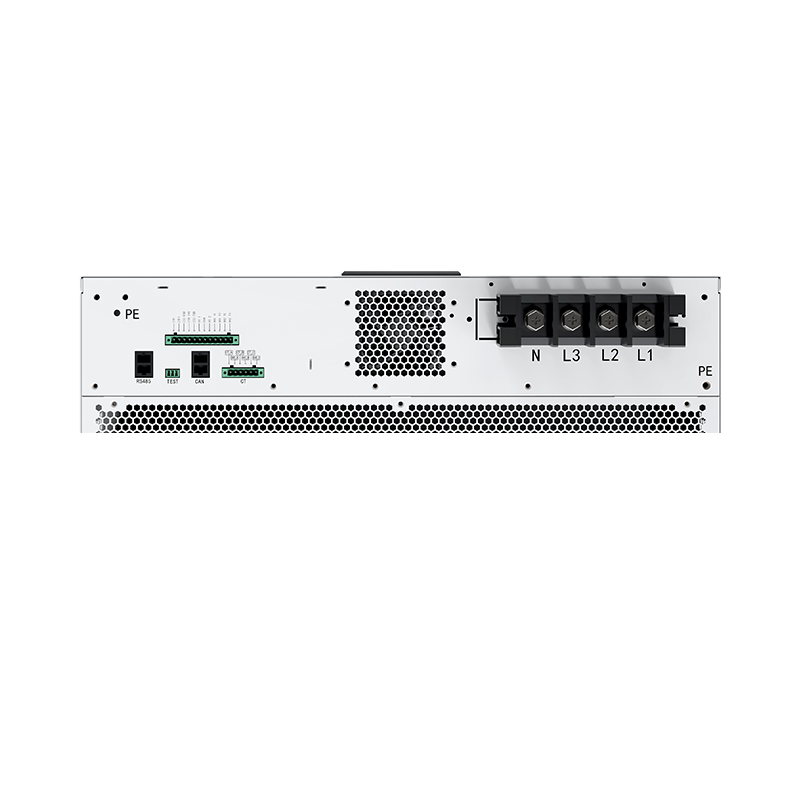
In a complete energy storage system, the PCS connects batteries with electrical loads and the grid. It manages charging and discharging processes, controls power flow, and ensures stable operation under different working conditions.
For industrial users, choosing the right PCS is not only about conversion efficiency. Reliability, scalability, response speed, and compatibility with other system components are equally important factors that influence long-term performance.
How a Battery Energy Storage System Inverter Controls Energy Flow
A Battery Energy Storage System Inverter is responsible for converting DC power stored in batteries into AC power used by electrical equipment. During charging, it performs the reverse process by converting AC power into DC energy stored inside the battery system.
Beyond basic conversion, modern PCS equipment provides advanced control functions. It can regulate active power output, manage reactive power, and respond to changes in electricity demand.
The PCS also communicates with the battery management system (BMS) and energy management system (EMS). This coordination allows the entire storage system to operate more efficiently by adjusting charging and discharging strategies according to real-time conditions.
For commercial and industrial applications, this control capability is especially important because electricity consumption often changes throughout the day.
Evaluating Modular Energy Storage Converter Performance
Efficiency is one of the most important indicators when evaluating PCS technology. Energy losses during conversion directly affect the overall economic performance of an energy storage project.
A modular energy storage converter design provides additional flexibility by dividing power conversion into multiple units. Instead of relying on one large conversion system, modular architecture allows different power modules to work together according to actual demand.
This approach can improve system scalability because additional modules can be added when energy requirements increase. It also simplifies maintenance because individual modules can be serviced without stopping the entire system.
When evaluating PCS efficiency, users should consider performance under different operating conditions rather than only looking at maximum efficiency values. Industrial facilities often operate with changing loads, so stable efficiency across various power levels is essential.
Factors That Influence Long-Term PCS Operation
Reliability is a critical consideration for energy storage systems used in industrial environments. Since PCS equipment may operate continuously for many years, its design must support stable performance under different electrical and environmental conditions.
Thermal management is one of the key factors affecting reliability. Efficient cooling systems help control operating temperatures and reduce stress on internal components.
Protection functions are also important. A reliable PCS should include protection against conditions such as overcurrent, abnormal voltage, and communication interruptions. These features help maintain safe operation and reduce unexpected downtime.
In practical applications, Enjoypowers focuses on PCS designs that consider both performance requirements and real operating environments, helping energy storage systems maintain stable operation in different industrial scenarios.
Advantages of Modular Energy Storage Converter Systems
Modular PCS solutions are becoming more common in commercial and industrial energy storage projects because they provide greater flexibility compared with traditional centralized designs.
One major advantage is scalability. Businesses can adjust system capacity according to current energy needs and expand storage capability as requirements grow.
Another benefit is improved maintenance convenience. If one power module experiences an issue, other modules can continue supporting system operation, reducing the impact on overall availability.
Modular architecture also supports customized project designs. Different facilities have different power demands, installation spaces, and operational goals, so flexible system configurations can better match application requirements.
Advanced Control Functions of Modern PCS
A modern PCS is more than a simple power conversion device. It also acts as an intelligent controller that helps optimize energy usage.
For example, PCS technology can support peak demand management by controlling when stored energy is released. It can also support renewable energy integration by balancing fluctuations from solar or other distributed energy sources.
The connection between PCS, BMS, and EMS enables more accurate energy scheduling. By analyzing electricity consumption patterns, operators can improve storage utilization and reduce unnecessary energy losses.
For industrial facilities with variable production schedules, intelligent PCS control can provide better adaptability to changing power requirements.
Key Factors Before Choosing a PCS
Selecting suitable PCS equipment requires consideration of several technical factors. The first is power capacity, which must match the energy requirements of the application.
Battery compatibility is another important factor. The PCS must operate effectively with the selected battery technology, voltage range, and communication protocols.
Installation conditions should also be considered. Factors such as available space, environmental temperature, protection requirements, and future expansion plans can influence the final system design.
A reliable battery storage inverter should not only meet current operational needs but also provide enough flexibility for future energy management strategies.
Conclusion
The PCS plays a central role in determining the efficiency and reliability of a battery energy storage system. It manages energy conversion, controls power flow, and connects battery storage with real-world electrical applications.
When selecting a PCS, industrial users should evaluate conversion efficiency, modular design, protection features, and intelligent control capabilities. These factors directly influence system performance and long-term operational value.
With the growing demand for flexible energy management, advanced PCS technology will continue to support applications such as peak demand control, renewable integration, and industrial energy optimization. Enjoypowers continues to explore practical energy storage solutions that help businesses improve system flexibility and reliability while adapting to changing power requirements.