
Hybrid inverters are widely used in solar and battery energy storage systems because they can manage electricity from multiple sources. Unlike traditional inverters, they can coordinate power from solar panels, batteries, and the utility grid, making them suitable for different energy applications.
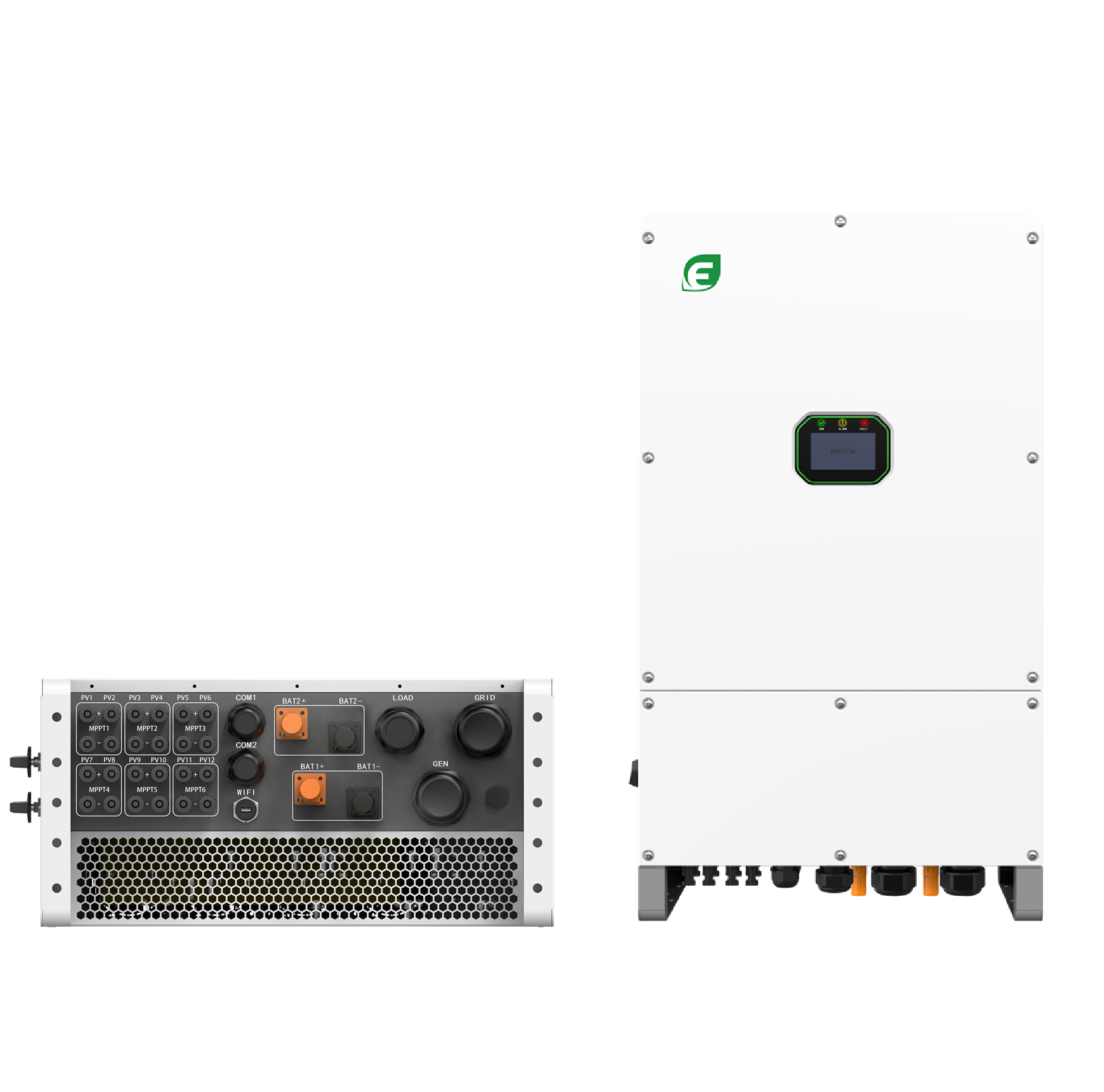
A common question among users is whether a hybrid inverter can continue working when the grid is unavailable. The answer depends on the inverter’s design, operating mode, battery support, and overall system configuration.
For off-grid applications, the inverter must do more than convert electricity. It needs to regulate power output, manage energy flow, and maintain stable operation without relying on the utility network. Enjoypowers has observed that many project decisions depend on understanding these technical requirements before selecting equipment.
How a Hybrid Inverter Operates Without Grid Support
In a standard grid-connected system, the utility grid provides voltage and frequency references. The inverter follows these conditions while converting electricity between renewable energy sources, batteries, and the electrical network.
When the grid is disconnected, the operating conditions change significantly. The inverter must create its own stable AC output to supply connected loads. This requires independent control of voltage and frequency, as well as coordination with the battery system.
A hybrid inverter with off-grid capability can switch into a standalone mode during grid interruptions. In this mode, stored battery energy can be used to maintain power supply for selected equipment, while solar generation can continue supporting loads or recharging the battery.
However, not every hybrid inverter supports this function. Some models are designed only for grid-connected operation and will stop producing power when the grid fails. Therefore, users should confirm whether the inverter includes backup output, off-grid operation, and energy management functions before making a purchase decision.
Why Battery Storage Is Essential for Off-Grid Operation
Battery storage is the foundation of an off-grid hybrid energy system. Since renewable energy generation changes throughout the day, batteries provide the flexibility needed to balance electricity supply and demand.
During periods of strong solar production, excess electricity can be stored for later use. When solar output decreases, stored energy can support connected loads and maintain continuous operation.
Battery sizing is one of the most important design considerations. A system used for short-term backup may require limited storage capacity, while a fully independent power system needs enough battery capacity to cover longer operating periods.
The relationship between the inverter and battery is also important. The system must support effective communication between the battery management system and inverter to control charging, discharging, temperature protection, and safety functions.
For commercial and industrial users, battery planning should consider production schedules, peak loads, critical equipment, and possible future increases in electricity consumption.
Selecting the Right Hybrid Inverter for Different Applications
The application environment plays an important role in inverter selection. Some systems are installed indoors, while others operate in outdoor or remote locations where environmental protection becomes a key concern.
An IP66 hybrid inverter is designed with a sealed enclosure that provides protection against dust and water exposure. This type of protection can be useful for outdoor energy systems, remote installations, and industrial environments where equipment may face challenging conditions.
However, the enclosure rating should not be the only factor considered. Users should also evaluate cooling performance, operating temperature range, maintenance requirements, and compatibility with the complete energy system.
For larger commercial and industrial projects, power configuration is another important factor. A three-phase hybrid inverter is commonly selected for applications requiring higher power output and compatibility with three-phase electrical networks.
Three-phase systems are suitable for facilities with industrial equipment, motors, and larger electrical loads because they provide balanced power distribution. When selecting a system, users should evaluate power capacity, load characteristics, and future expansion requirements.
Key Factors Before Deploying an Off-Grid Hybrid Inverter System
Building an off-grid energy system requires detailed planning because the inverter is only one part of the overall solution. Solar generation, battery storage, electrical loads, and energy management controls must work together.
The first step is understanding the load profile. Users need to identify which equipment requires continuous power and which loads can be reduced during periods of limited energy availability.
The second consideration is system scalability. Energy requirements may change due to business growth, additional equipment, or new operational goals. A flexible design allows the system to expand without replacing major components.
The third factor is monitoring capability. Energy management platforms can provide information about power generation, battery status, and consumption patterns, helping users improve system operation.
Enjoypowers considers system compatibility and application conditions important factors when evaluating energy storage and power conversion projects. A suitable configuration should match the actual operating environment rather than relying only on standard specifications.
Common Challenges in Off-Grid Hybrid Inverter Applications
One of the most common mistakes is assuming that every hybrid inverter can provide backup power. Some devices require additional components or specific configurations to operate independently from the grid.
Another challenge is selecting insufficient battery capacity. If storage capacity does not match energy demand, the system may not provide reliable power during periods of low renewable generation.
Load characteristics should also be carefully evaluated. Equipment such as motors, compressors, and industrial machines may require higher startup power than their normal operating consumption.
Environmental conditions can create additional challenges. Outdoor installations may require stronger protection against temperature changes, moisture, and dust. Choosing equipment suitable for the installation environment helps improve long-term reliability.
A complete system assessment before installation can reduce operational issues and ensure that the hybrid inverter performs according to project expectations.
Conclusion
A hybrid inverter can work off the grid when it is designed with standalone operation capability and supported by an appropriate battery storage system. However, successful off-grid performance depends on proper system planning and equipment selection.
Users should consider inverter functions, battery capacity, load requirements, environmental conditions, and future expansion needs before choosing a solution. The right configuration can improve energy flexibility and provide more reliable power support in areas with limited or unstable grid access.
Enjoypowers believes that understanding application requirements is essential for designing effective energy systems. By evaluating technical factors carefully, businesses can develop energy solutions that better match their operational goals.
As renewable energy adoption continues to grow, hybrid inverters will remain an important technology for creating flexible power systems that support both grid-connected and independent operation.