
Electric power quality has become a critical concern for industrial facilities, commercial buildings, and energy-intensive operations. As electrical equipment becomes more advanced, even small disturbances in voltage, current, or frequency can affect system reliability, production efficiency, and equipment performance.
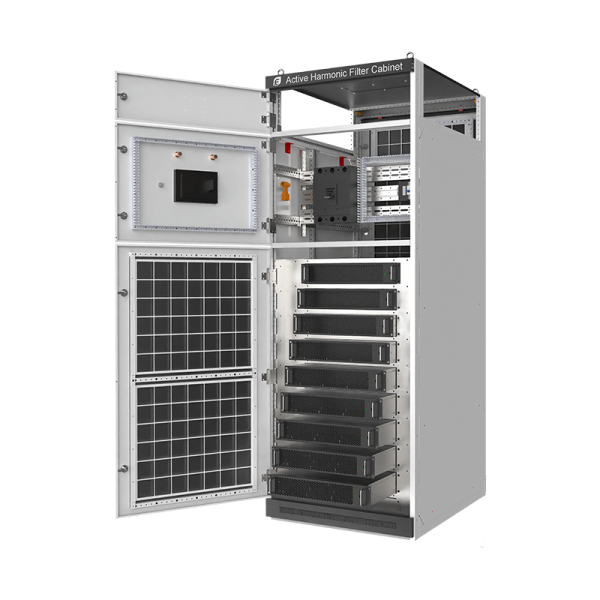
At Enjoypowers, we understand that stable electricity is essential for continuous operation. Modern factories, data centers, and commercial facilities often use power electronics-based equipment, such as variable frequency drives, UPS systems, and automation devices, which can create new challenges for electrical networks. Effective monitoring and management help companies identify problems early and maintain reliable power systems.
What Is Electric Power Quality and Why Does It Matter?
Electric power quality describes how well the supplied electrical power meets the requirements of connected equipment. A high-quality power supply should provide stable voltage, consistent frequency, and clean current waveforms. When these conditions are not maintained, electrical equipment may experience performance issues or unexpected failures.
Poor power quality can appear in many forms, including voltage fluctuations, harmonic distortion, voltage imbalance, and low power factor. These problems may increase energy losses, reduce equipment lifespan, and create operational interruptions. For industrial users, understanding these issues is the first step toward selecting suitable power quality solutions.
Common Electric Power Quality Problems in Industrial Applications
Voltage Fluctuations and Voltage Disturbances
Voltage-related problems are among the most common power quality challenges. Voltage sags, swells, and short interruptions can occur due to grid disturbances, heavy load switching, or equipment starting processes.
Sensitive equipment such as automated production systems, semiconductor manufacturing tools, and communication devices may react negatively to these variations. Measuring voltage levels over time allows engineers to identify abnormal patterns and determine whether additional protection or compensation equipment is required.
Harmonic Distortion and Nonlinear Loads
Modern electrical systems increasingly rely on nonlinear loads, including power converters, motor drives, and charging equipment. These devices can introduce harmonic currents into the power network.
Harmonic distortion may cause transformer overheating, additional losses, equipment malfunction, and interference with sensitive systems. Engineers usually measure harmonic levels through indicators such as total harmonic distortion (THD) to evaluate whether the electrical system remains within acceptable limits.
To address these challenges, we provide advanced solutions based on power electronics technology. Our active filtering technologies help reduce harmonic-related issues and support cleaner electrical operation for industrial users.
Low Power Factor and Reactive Power Issues
Many industrial machines, including motors and transformers, consume reactive power during operation. When reactive power demand increases, the overall power factor decreases, meaning the electrical system operates less efficiently.
Low power factor can increase current demand and create additional stress on electrical infrastructure. Measuring power factor helps facility managers understand whether compensation equipment is needed.
A power conversion system can also play an important role in modern energy management by controlling energy flow between storage systems and electrical loads. When combined with proper monitoring strategies, it supports more flexible and efficient energy utilization.
How Electric Power Quality Is Measured
Monitoring Voltage and Current Characteristics
Accurate measurement is essential for identifying power quality problems. Engineers typically use power quality analyzers to record voltage, current, frequency, and waveform information.
These instruments provide detailed data about electrical conditions, allowing users to analyze when disturbances occur and what equipment may be causing them. Continuous monitoring is especially valuable for factories with variable production loads.
Measuring Harmonics and Total Harmonic Distortion
Harmonic measurement focuses on identifying unwanted frequency components in electrical waveforms. The analysis usually includes individual harmonic levels and total harmonic distortion values.
By measuring harmonic performance before and after improvement measures, businesses can evaluate whether their selected solution effectively improves system stability. This approach helps avoid unnecessary investment and ensures equipment matches actual site conditions.
Evaluating Power Factor and Reactive Power
Power factor measurement provides insight into how efficiently electrical power is being used. Facilities with large inductive loads often monitor this parameter regularly.
When measurements indicate insufficient reactive power management, technologies such as static var generators or other compensation devices can help maintain more stable electrical conditions. These solutions provide dynamic responses compared with traditional fixed compensation methods.
Choosing the Right Power Quality Improvement Strategy
Every electrical system has unique operating conditions, so selecting the correct improvement method requires detailed analysis. Before installing equipment, companies should evaluate load types, voltage levels, harmonic sources, and operational requirements. These factors are precisely what experienced power conversion system manufacturers take into account when designing effective solutions.
At Enjoypowers, we help customers analyze their electrical challenges and develop suitable solutions based on actual system conditions. Our experience in power quality management allows us to support applications ranging from manufacturing plants to commercial facilities.
For systems affected by harmonic distortion, active filtering technologies can provide targeted compensation. For applications requiring reactive power control, dynamic compensation equipment can improve system performance. A complete assessment ensures that customers receive practical solutions rather than unnecessary equipment.
The Role of Technology in Future Power Quality Management
As industries adopt renewable energy, energy storage, automation, and digital technologies, power quality management will become increasingly important. New electrical systems require faster monitoring, smarter control, and more flexible compensation methods.
A modern power conversion system can help integrate energy storage resources while supporting stable grid interaction. At the same time, advanced monitoring platforms enable operators to track performance and respond quickly to changing conditions.
Enjoypowers continues to develop power electronics-based technologies that help businesses achieve more reliable and efficient energy systems. Our solutions combine engineering expertise with practical application experience to support the changing needs of modern industries.
Conclusion
Electric power quality directly affects equipment reliability, operational efficiency, and energy management performance. Understanding common problems such as voltage disturbances, harmonic distortion, and low power factor helps businesses take effective action.
Accurate measurement is the foundation of successful improvement. By analyzing electrical conditions and applying suitable technologies, companies can reduce risks and create more stable power environments.
With professional expertise in energy storage and power quality technologies, Enjoypowers continues to support customers in improving electrical performance and building more efficient energy systems. Through solutions such as advanced compensation equipment and intelligent energy management technologies, we help industries move toward a more reliable energy future.