
Battery energy storage systems (BESS) are becoming an essential part of modern energy infrastructure, helping businesses balance renewable generation, improve efficiency, and strengthen grid flexibility. However, managing energy flow between photovoltaic systems, batteries, EV chargers, and DC networks requires more advanced power conversion technologies.
A bidirectional DC-DC converter plays a critical role in this process by enabling electricity to move in two directions between different DC voltage levels. Unlike traditional converters that only transfer energy one way, bidirectional solutions allow batteries to both store and release energy according to system requirements.
At Enjoypowers, our DC-DC converter for energy storage solutions supports PV-coupled storage, battery management, and EV charging applications, helping businesses build more efficient and flexible energy systems.
Understanding the Role of a Bidirectional DC-DC Converter in BESS
A battery energy storage system must continuously manage charging and discharging processes. During charging, electricity flows from renewable sources or the grid into the battery. During discharge, stored energy flows back to support loads, charging stations, or the grid.
A traditional DC-DC converter usually transfers energy in only one direction. However, a bidirectional DC-DC converter can operate in both buck and boost modes, allowing it to control energy flow between the battery and the DC bus.
This two-way capability makes it a key component in DC-coupled energy systems. It helps maintain stable voltage levels, improves battery utilization, and enables more intelligent energy management strategies.
For commercial and industrial users, this technology provides greater flexibility when integrating solar power, energy storage, and electric vehicle infrastructure into a single energy platform.
How DC-Coupled Systems Improve Energy Conversion Efficiency
Traditional AC-coupled systems often require multiple conversion steps. For example, solar energy may first be converted from DC to AC through an inverter, then converted back to DC before being stored in a battery. Each conversion introduces additional energy losses.
DC-coupled systems use a common DC bus to connect PV arrays, batteries, and DC loads more directly. This approach reduces unnecessary conversions, improves efficiency, and can lower overall balance-of-system (BOS) costs.
Our DC-DC converter for energy storage solutions is designed around this DC-coupled concept. By integrating multiple conversion functions into one platform, the system creates a more streamlined energy architecture.
With one DC bus supporting multiple energy flows, businesses can improve renewable energy utilization while reducing the complexity of their electrical infrastructure.
One Platform Supporting PV, Battery, and EV Charging
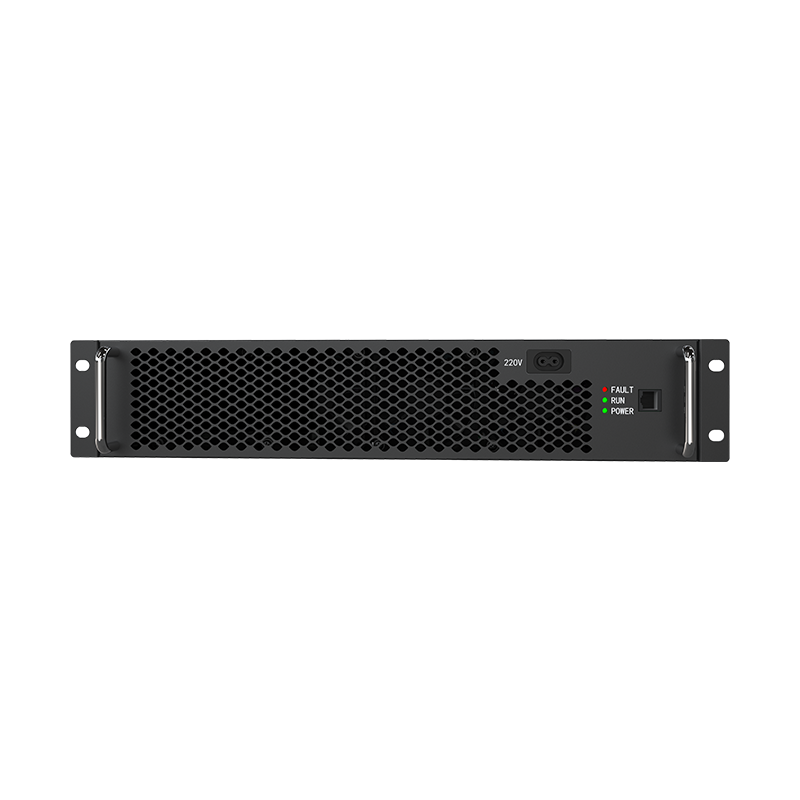
Modern energy systems increasingly require the ability to coordinate different energy sources and applications. Enjoypowers’ EDCS50/63-M-MH bidirectional DC-DC converter is designed to support three major energy flows: PV input, battery storage, and EV charging output.
For photovoltaic applications, the system provides boost Maximum Power Point Tracking (MPPT) to optimize solar energy harvesting. By continuously adjusting operating conditions, the MPPT function helps PV arrays operate near their available maximum power point.
For battery applications, the converter provides bidirectional buck/boost control. This allows energy to flow from the DC bus into the battery during charging and from the battery back to the DC bus during discharge.
For EV charging applications, the system supports direct DC output through buck conversion. This integrated approach allows one platform to perform multiple roles within a modern energy ecosystem.
Key Advantages of a DC-DC Converter for Energy Storage Systems
A high-performance DC-DC converter for energy storage can provide several benefits for BESS projects. One important advantage is improved system efficiency because fewer conversion stages reduce energy losses.
Our solution supports up to 1000 Vdc operation and allows up to 16 units to operate in parallel. This scalability helps customers expand system capacity according to project requirements without redesigning the entire energy architecture.
The converter can also switch between battery and PV operating modes through firmware control. This flexibility allows the system to adapt to different application scenarios, including renewable energy storage, microgrids, and EV charging infrastructure.
By combining MPPT, battery conversion, and DC output functions, the platform simplifies system design while maintaining reliable energy management performance.
Applications of Bidirectional Energy Flow Technology
Bidirectional DC-DC converter technology is becoming increasingly important across multiple industries. Commercial buildings can use it to combine solar generation with battery storage for energy cost optimization.
Industrial facilities can integrate storage systems to reduce peak demand, improve power reliability, and support renewable energy adoption. EV charging stations can also benefit from DC-coupled architectures by improving charging efficiency and reducing infrastructure complexity.
As energy systems become more decentralized, flexible power conversion will play a greater role in managing electricity from different sources. Bidirectional technology provides the foundation for smarter and more adaptable energy networks.
Building Efficient Energy Systems with Enjoypowers
The future of energy management depends on technologies that can efficiently connect generation, storage, and consumption. A bidirectional DC-DC converter enables this connection by allowing energy to move intelligently between batteries, PV systems, and DC loads.
At Enjoypowers, we focus on developing reliable power conversion solutions that support the evolving needs of commercial and industrial energy users. Our DC-DC converter for energy storage integrates MPPT, bidirectional battery control, and EV charging support into one flexible platform.
By reducing conversion losses, improving system efficiency, and enabling multiple energy flows through a common DC bus, our solutions help businesses create more efficient, scalable, and scalable BESS applications.