
Energy storage projects often begin with small-scale demonstrations before expanding into full commercial or grid-connected deployments. During this transition, system flexibility becomes a major consideration because project requirements can change as energy demands, operational goals, and application scenarios develop.
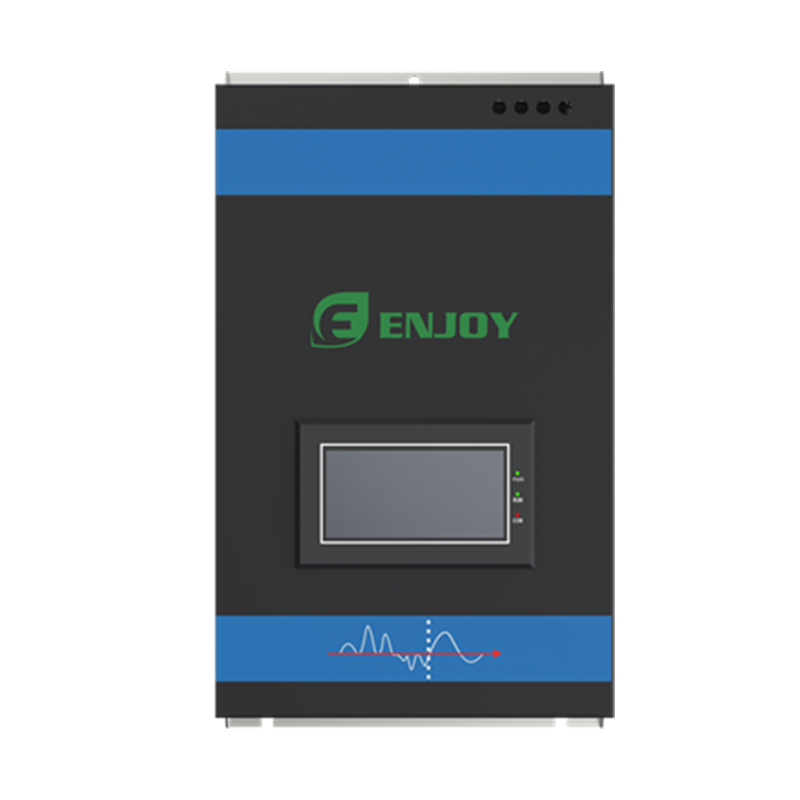
A modular approach allows businesses to test energy storage solutions on a smaller scale and gradually increase capacity when the project proves its value. Instead of replacing the entire system, modular designs enable additional power conversion units and storage resources to be integrated as requirements grow.
At Enjoypowers, we understand that successful energy storage deployment requires both technical reliability and long-term scalability. A well-designed system should support customers from initial pilot testing to larger applications without creating unnecessary complexity.
This article explains how modular energy storage converters support project expansion, what factors should be considered during deployment, and why scalability is becoming increasingly important in modern energy systems.
Why Modular Design Matters in Energy Storage Projects
Traditional energy storage projects often require customers to determine the final system size before installation. However, predicting future energy needs can be challenging, especially for businesses exploring new energy management strategies.
A modular system provides a more flexible alternative. Customers can begin with a smaller configuration to evaluate performance, operational benefits, and integration requirements. Additional modules can then be added when more capacity or power output is needed.
The growing energy storage pcs market reflects increasing demand for flexible power conversion solutions that can support different applications, including commercial facilities, renewable energy integration, microgrids, and grid support functions.
A modular energy storage converter separates system capacity into standardized units. This design improves installation flexibility because power levels can be adjusted according to project requirements rather than relying on one fixed configuration.
For businesses, this approach can reduce initial investment pressure while maintaining a clear pathway for future expansion.
The Role of Energy Storage PCS in Scalable Systems
The power conversion system (PCS) is one of the most important components in an energy storage system. It manages the conversion between battery DC power and grid AC power while controlling charging, discharging, and system interaction.
A modular PCS architecture allows multiple conversion units to operate together. Each module contributes part of the total system capacity, making it easier to increase power output when project requirements expand.
Modern PCS solutions support functions such as peak shaving, renewable energy integration, frequency regulation, and backup power operation. These capabilities make them suitable for different stages of project development.
According to Enjoypowers’ technical information, its energy storage PCS modules are designed to control battery charging and discharging while supporting communication with battery management systems and energy management systems. This type of coordination is essential when scaling from a pilot system to a larger deployment.
A modular PCS also improves maintenance flexibility. If one module requires service, other units may continue operating, helping reduce the impact on overall system availability.
Moving from Pilot Projects to Commercial Deployment
Pilot projects are valuable because they allow companies to evaluate energy storage performance under real operating conditions. However, the transition from pilot testing to full deployment requires careful planning.
The first consideration is system architecture. A pilot project should use components that can support future expansion. Selecting a scalable converter platform from the beginning can prevent redesign costs later.
The second consideration is capacity planning. Businesses should analyze current energy consumption, peak demand patterns, renewable energy availability, and future operational changes.
The third factor is integration capability. Large-scale deployments often involve additional equipment, including battery systems, transformers, monitoring platforms, and grid communication systems. The converter must work effectively within the complete energy ecosystem.
A modular approach helps companies gradually increase system size while maintaining consistent control strategies and operational methods.
Scaling Grid Energy Storage Applications with Modular Converters
Grid energy storage requires high levels of reliability, flexibility, and controllability because these systems interact directly with electrical networks.
Large storage projects may provide services such as renewable energy balancing, frequency support, peak load management, and grid stability improvement. These applications often require systems that can adapt to changing requirements over time.
Modular converters provide advantages in these situations because system capacity can be expanded through additional units instead of replacing existing infrastructure.
For grid applications, technical factors such as voltage compatibility, communication capability, protection functions, and response performance should be carefully evaluated.
Enjoypowers focuses on power electronics technologies that support scalable energy storage applications, helping system designers create configurations suitable for different project sizes.
The ability to expand gradually is particularly valuable in markets where energy policies, renewable generation levels, and electricity demand patterns continue to evolve.
Key Factors When Selecting a Modular Energy Storage Converter
Choosing the right converter requires evaluation beyond basic power ratings. Several technical and operational factors should be considered.
First, customers should examine module compatibility. The converter should integrate smoothly with different battery systems and energy management platforms.
Second, efficiency and reliability are important because conversion losses directly affect long-term operating performance. High-quality power electronics design helps improve system effectiveness.
Third, customers should consider installation and maintenance requirements. A modular design should simplify transportation, commissioning, troubleshooting, and future upgrades.
Fourth, communication and control functions are essential. Modern energy storage systems require coordination between PCS, battery management systems, and energy management systems to achieve optimized operation.
Finally, future scalability should be included in the initial design process. A system that supports additional modules provides greater flexibility as business needs change.
Advantages of Modular Expansion for Industrial Users
For commercial and industrial users, modular energy storage solutions offer several practical benefits.
One advantage is reduced project risk. Companies can validate system performance before committing to larger investments.
Another benefit is improved adaptability. Industrial energy requirements can change due to production expansion, new equipment installation, or changes in electricity pricing structures.
Modular systems also support phased deployment. Instead of completing a large installation immediately, companies can expand capacity based on actual operational experience.
This approach allows organizations to optimize investment timing while maintaining the ability to respond to future energy challenges.
At Enjoypowers, we believe that scalable design is an important part of developing practical energy storage solutions for changing industrial environments.
Conclusion
Modular energy storage converters provide a flexible pathway from pilot projects to full-scale deployment. By allowing customers to increase system capacity gradually, modular architectures reduce investment risk and improve long-term adaptability.
As energy storage applications continue to expand, scalable power conversion technology will play an increasingly important role in commercial, industrial, and grid-connected projects.
Selecting a modular converter requires careful evaluation of PCS performance, integration capability, maintenance requirements, and future expansion plans.
A well-designed modular system helps businesses build energy infrastructure that can grow with their needs while supporting reliable and efficient energy management.