
A grid-connected energy storage system is designed to exchange power with the utility network. However, a question arises when the external grid suddenly fails: what happens if the storage system continues energizing an isolated section of the network?
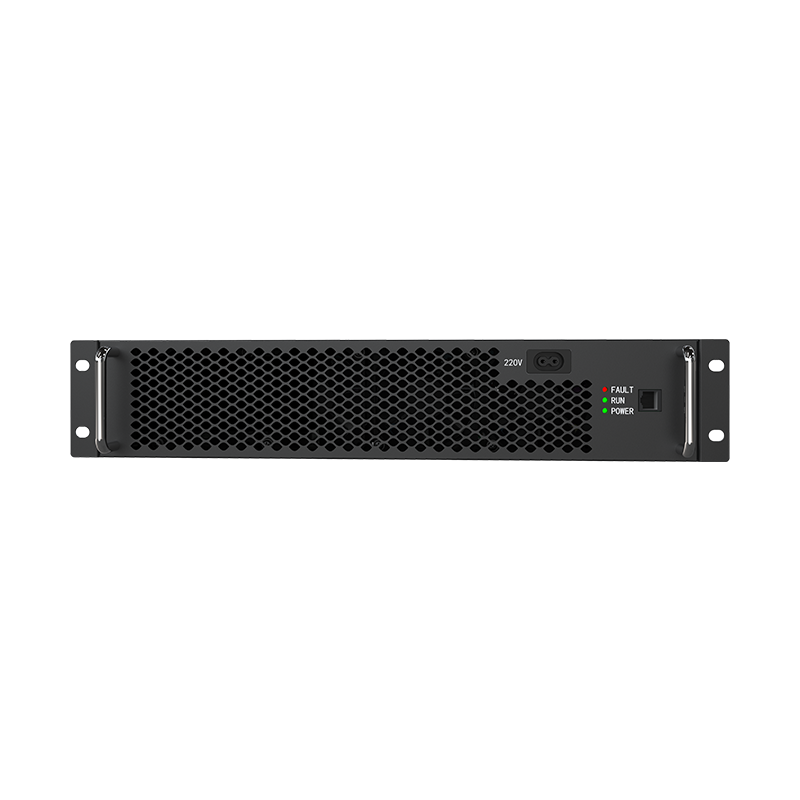
This condition is known as unintentional islanding. Although the local electrical area may still have power, it is separated from the main grid without proper control. For maintenance personnel and grid operators, this creates a safety concern because they may assume the line is de-energized while distributed energy resources are still supplying voltage.
Anti-islanding protection prevents this situation by ensuring that a battery storage inverter does not continue operating as an uncontrolled power source after grid separation. We design energy storage solutions with grid interaction requirements in mind, helping customers achieve safer and more reliable system operation.
The Hidden Risk Behind Grid-Connected Energy Storage Operation
A battery energy storage system connected to the grid constantly monitors electrical conditions. During normal operation, the system can charge or discharge energy while following grid voltage and frequency requirements.
Problems occur when a fault, maintenance action, or unexpected event disconnects part of the grid. If the energy storage system continues energizing that isolated section, it creates an island.
An unintended island can affect several areas of power system management. Field workers may face unexpected voltage exposure during maintenance. Local equipment may experience unstable voltage or frequency conditions. Reconnection can also become more complicated if the isolated system is not synchronized correctly.
For this reason, grid-connected storage systems require protection functions that identify abnormal grid conditions and stop power conversion when necessary. Anti-islanding protection is one of the key functions built into modern PCS-based systems.
How PCS Detects and Responds to an Unintentional Island
The PCS acts as the control interface between the battery system and the electrical grid. During operation, it continuously monitors parameters such as grid voltage and frequency to determine whether the grid remains within acceptable conditions.
Anti-islanding detection generally uses two types of methods: passive detection and active detection.
Passive detection monitors electrical changes that naturally occur when the grid is lost. Sudden variations in voltage, frequency, or other grid parameters may indicate that the connection has been interrupted.
Active detection uses controlled disturbances or responses from the inverter control system to identify whether the grid is still present. By observing how the electrical system reacts, the PCS can assess whether conditions are consistent with a connected grid or an islanding condition.
Once an islanding condition is detected, the PCS protection logic initiates a response, typically disconnecting the system from the grid connection point. Specific protection behavior depends on the applicable grid requirements and system configuration.
For larger installations, anti-islanding operation is often integrated with broader energy management functions, allowing the storage system to transition between grid-connected and approved off-grid operating modes when the system is specifically designed for that purpose.
Why Grid Codes Treat Anti-Islanding as a Mandatory Function
Grid codes exist to define how distributed energy resources interact with the electrical network. Since battery storage systems can both consume and deliver power, they must operate in a controlled manner during abnormal grid conditions.
Anti-islanding requirements help maintain coordination between distributed resources and utility protection systems. Without proper protection, multiple energy sources could continue feeding a disconnected network section and interfere with normal grid restoration procedures.
Different regions apply different interconnection requirements, but the fundamental principle remains similar: grid-connected equipment must detect unintended separation and respond appropriately. PCS products are commonly configured according to regional grid codes and protection requirements before being connected to utility networks.
For project developers and system integrators, this means anti-islanding is not an optional feature added after installation. It is part of the basic design requirements for safe grid-connected operation.
What Facility Owners Should Check in a Storage System
When evaluating an energy storage project, facility owners should look beyond battery capacity and power rating. The interaction between the storage system and the grid is equally important.
The first point to review is whether the PCS supports the required protection functions for the project location. Different regions may require different grid settings, protection thresholds, or certification pathways.
The second point is understanding whether the system is designed only for grid-connected operation or also supports controlled island operation. A properly designed microgrid system requires additional control functions because intentional off-grid operation is different from accidental islanding.
The third point is system scalability. A modular energy storage cabinet can simplify project expansion while maintaining coordinated control between battery units, PCS equipment, and energy management systems.
At Enjoypowers, we focus on the complete relationship between storage equipment and the electrical environment. A battery system must not only store energy but also operate safely within the rules of the connected grid.
Designing Safer Grid Interaction Through Advanced PCS Control
Anti-islanding protection represents the connection between energy storage innovation and electrical safety requirements. The function helps ensure that a battery storage inverter responds correctly when the grid condition changes unexpectedly.
We help customers evaluate storage architectures based on operational requirements, grid interaction needs, and long-term system reliability. Enjoypowers approaches energy storage design from the perspective of complete power management rather than focusing on individual components alone.
Reliable energy storage operation requires more than sufficient battery capacity and power conversion capability. Effective protection strategies, including anti-islanding control, play a critical role in ensuring stable and safe interaction between the storage system and the utility grid.
Before deploying commercial or industrial energy storage projects, stakeholders should evaluate how the PCS manages abnormal grid conditions and maintains operational safety. A properly configured modular energy storage cabinet, supported by suitable control functions, can help achieve dependable energy management without compromising grid requirements.
At Enjoypowers, we focus on developing energy storage solutions that integrate performance, operational flexibility, and grid protection capabilities, helping customers build safer and more adaptable power management systems.