
Commercial hybrid inverter selection starts with understanding the site’s actual power requirements. The chosen capacity must provide sufficient support for daily operation without creating unnecessary system overhead from an oversized configuration.
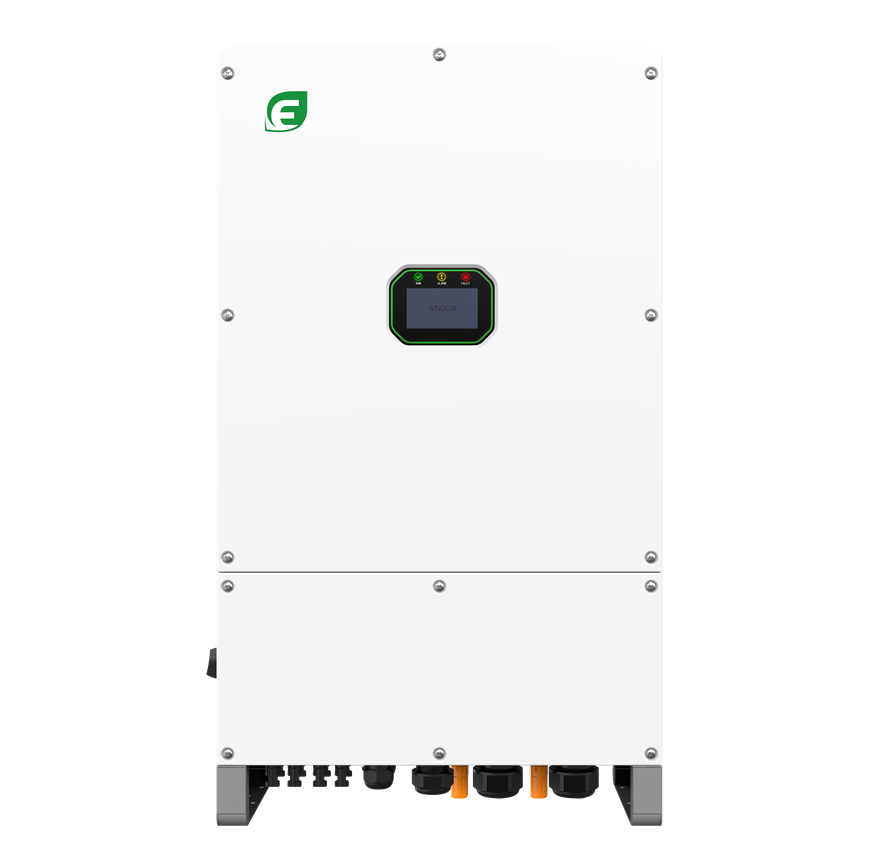
The difference between a 40kW, 50kW, and 60kW hybrid inverter is not only the output rating. Each capacity level represents a different approach to handling facility loads, energy storage requirements, and future operating conditions.
A suitable choice depends on how electricity is generated, stored, and consumed at the project site.
Capacity Choice Starts With the Facility’s Energy Pattern
Commercial energy systems are rarely defined by average consumption alone. Daily load fluctuations, peak demand periods, critical equipment, and future expansion plans all influence inverter sizing.
A facility operating mainly during daytime hours with moderate electrical demand may have different requirements from a site that needs continuous power support or backup capability.
The inverter must also work together with batteries and renewable generation sources. A mismatch between inverter capacity and system requirements can reduce the effectiveness of the entire energy architecture.
An on-off-grid hybrid inverter provides flexibility by supporting different operating modes, but the appropriate capacity depends on the role it plays within the project. Some facilities may use the inverter mainly for solar energy utilization, while others may rely on it for backup operation or energy management.
Real project conditions determine whether an inverter configuration can perform effectively. At Enjoypowers, we analyze the relationship between power generation, storage capacity, and consumption patterns to identify a suitable solution for each commercial energy system.
Where a 40kW Hybrid Inverter Fits in Commercial Projects
A 40kW hybrid inverter can be suitable for commercial sites where electrical demand remains within a moderate range and the energy system does not require excessive output capacity.
Smaller commercial buildings, workshops, agricultural facilities, and similar applications may benefit from this capacity level when their load profile is relatively stable.
The main advantage of choosing a lower-capacity inverter is that the system can be matched more closely to current requirements. Oversizing equipment without a clear reason may increase project costs and create unused capacity.
However, capacity planning should not only consider present demand. If the facility expects significant growth, additional production lines, or higher energy consumption in the future, a larger inverter configuration may provide more flexibility.
The key question is whether the selected capacity can support both current operation and the expected development of the site.
Why 50kW Often Represents a Balance Between Current Needs and Expansion
A 50kW hybrid inverter is often considered when a project requires more operating flexibility than a smaller system can provide.
This capacity range can serve commercial facilities that have moderate-to-high energy demand but do not yet require the highest available output level.
The selection process should consider peak loads rather than only normal operation. A facility may appear suitable for a lower-capacity inverter during average conditions but experience higher requirements during equipment startup, production periods, or backup operation.
Choosing a 50kW configuration can provide additional operating margin while maintaining a practical system scale.
The decision should also include battery planning. A larger inverter may require different storage coordination to ensure charging and discharging performance matches the facility’s energy strategy.
The question of Which inverter is best for commercial use? depends on these combined factors rather than a simple comparison of power ratings.
When a 60kW Hybrid Inverter Becomes the More Suitable Option
Higher-demand commercial projects may require additional inverter capacity to support larger loads or more complex energy management objectives.
A 60kW hybrid inverter can be considered when a facility needs greater power output, stronger backup capability, or additional flexibility for future energy requirements.
Projects involving multiple load types, larger battery systems, or more demanding operational conditions may benefit from the additional capacity.
However, higher capacity does not automatically mean better performance. The inverter must still match the battery system, electrical infrastructure, and operating strategy of the project.
A well-designed system ensures that available capacity is used effectively rather than leaving equipment operating far below its intended role.
Enjoypowers focuses on aligning inverter selection with real application requirements. Capacity decisions should support the complete energy system instead of being based on the largest available rating.
How to Determine the Suitable Inverter Capacity for Your Project
Determining the right capacity among 40kW, 50kW, and 60kW hybrid inverters requires a clear understanding of the facility’s load profile, energy strategy, and expected changes over time.
Capacity selection is not simply about choosing more available power. A system with stable demand may require a different configuration from a site that anticipates higher consumption, additional equipment, or more demanding operating conditions.
At Enjoypowers, we evaluate hybrid energy solutions by looking at the complete energy cycle, including generation, storage, and power consumption patterns. The selected inverter capacity should align with current operating needs while maintaining enough adaptability for future system adjustments.
The best inverter choice is not determined by the highest rating or the lowest initial cost. It comes from selecting the capacity that fits the actual energy strategy of the commercial site.