
Commercial projects often ask a simple question: which inverter is best for business use? The difficulty is that the answer changes depending on how the energy system will operate.
A warehouse focused on reducing electricity costs, a factory requiring backup power, and a remote facility operating independently from the grid may all need different inverter characteristics.
Inverter selection should be based on more than a single power value. The intended operating mode, facility load characteristics, available energy resources, and potential system expansion all shape whether the final solution can achieve stable and dependable operation.
The “Best” Commercial Inverter Depends on the Project Behind It
A commercial inverter is not selected in isolation. It becomes part of a larger energy system that connects solar generation, batteries, electrical loads, and sometimes the utility grid.
The first decision is defining what the system must achieve. Some projects prioritize solar self-consumption, while others focus on peak demand control, backup capability, or off-grid operation.
A properly selected inverter should support the operating strategy of the site rather than simply provide a specific power output.
At Enjoypowers, we begin project evaluation by understanding the electrical environment where the equipment will operate. The inverter architecture must fit the application before technical specifications are considered.
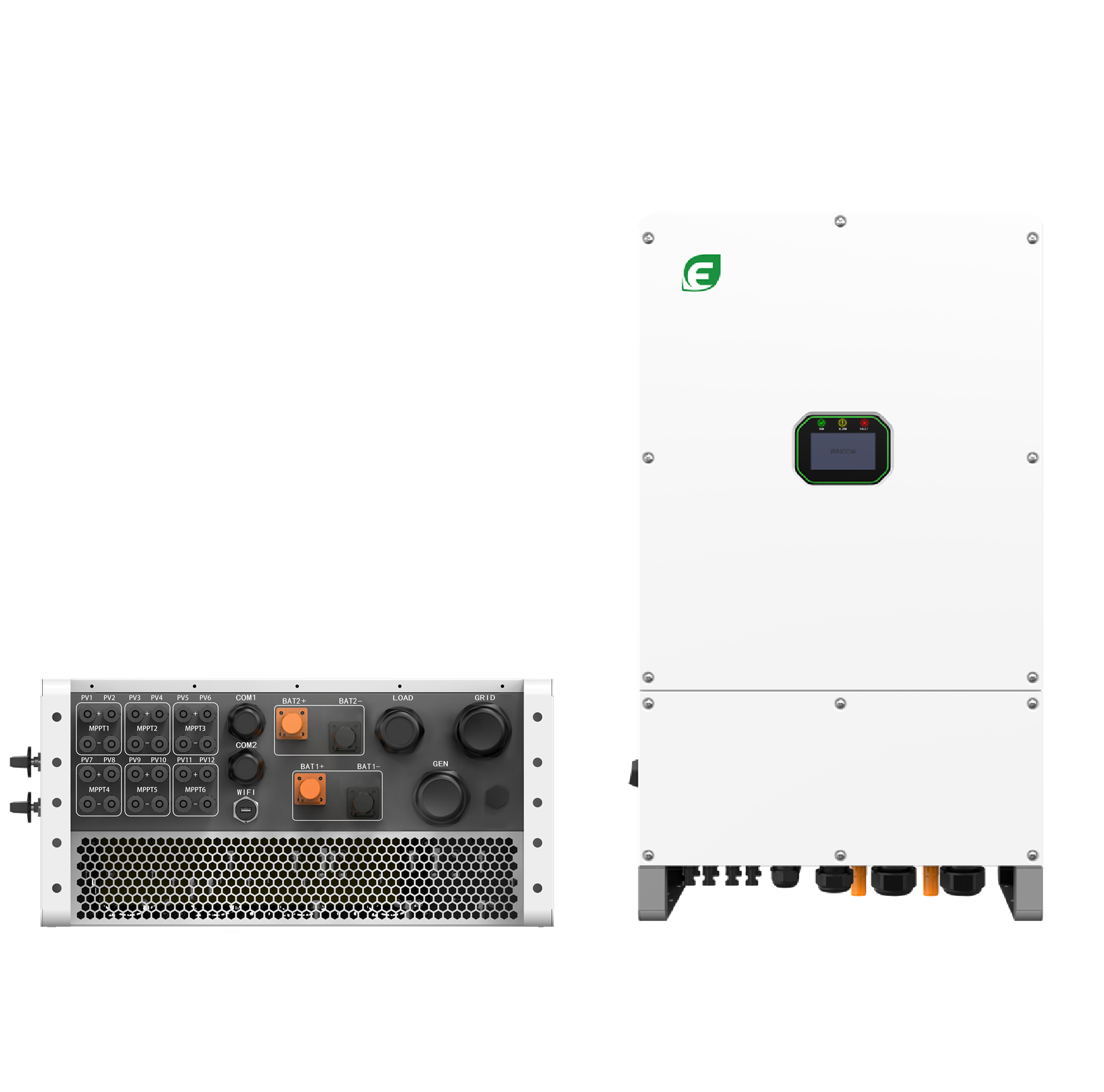
Modern commercial hybrid inverter systems can combine multiple functions, including PV input management, battery conversion, and grid or backup operation. However, the correct configuration depends on the actual project objectives.
Start Selection With Load Profile Instead of Rated Power Alone
Rated power is one of the first specifications companies review, but it does not provide the complete picture.
A commercial facility may have the same average electricity consumption as another site while having very different peak loads. Equipment startup currents, production schedules, and critical loads can significantly affect inverter requirements.
A system designed for office buildings may not be suitable for industrial environments where motors, manufacturing equipment, or continuous processes create more demanding operating conditions.
The evaluation process should begin with questions such as:
- What loads must remain powered during an outage?
- How often does the facility experience peak demand?
- Does the system need to operate independently from the grid?
A 50 kW class inverter may suit some commercial installations, while larger facilities may require higher capacity or multiple units working together. Selecting a 50 kw hybrid solar inverter should therefore depend on the site load profile rather than only the available product rating.
Decide Whether the System Needs Grid Support, Backup, or Energy Independence
The operating mode determines many inverter design requirements.
Grid-connected commercial systems often focus on maximizing renewable energy usage and reducing electricity costs. Backup-oriented systems place more emphasis on fast transitions and stable power delivery during grid interruptions.
Off-grid projects introduce additional requirements because the inverter must actively manage power balance between generation sources, batteries, and loads.
A 60kw hybrid inverter can be considered for commercial applications where higher power output and flexible energy management are required, but the final selection depends on battery configuration, load characteristics, and system objectives.
For facilities with critical equipment, inverter control capability becomes especially important. Some hybrid systems are designed to coordinate multiple energy sources and support different operating modes, including grid-connected and off-grid scenarios.
Enjoypowers designs hybrid energy solutions around these operational differences rather than applying the same configuration to every project.
Evaluate Integration Capability Before Finalizing Equipment Selection
Commercial energy systems rarely consist of only an inverter. The inverter must communicate and coordinate with batteries, photovoltaic systems, monitoring platforms, and energy management controls.
A suitable inverter should support the required system architecture from the beginning. Poor integration planning can create limitations during commissioning or future expansion.
Battery voltage range, communication compatibility, and control strategy are important factors during technical evaluation. The inverter should work effectively with the selected storage components and provide appropriate control over charging and discharging behavior.
Enjoypowers develops hybrid inverter solutions that combine power conversion and energy management functions for commercial and industrial applications. Our focus is on creating systems that match practical deployment requirements rather than selecting components independently.
Scalability should also be considered. A project may begin with a specific capacity but require additional storage or generation capability later. A flexible architecture can reduce redesign requirements when energy needs change.
A Better Inverter Choice Comes From Matching Technology to Operation
The best commercial inverter is not always the highest-powered model or the one with the most features. It is the system that matches the facility’s operating conditions and energy objectives.
A reliable selection process starts with understanding loads, defining operational priorities, and confirming how the inverter will interact with batteries, solar generation, and the grid.
Commercial users should evaluate inverter choices through the entire system lifecycle. Installation requirements, future expansion, and daily operating patterns all influence long-term value.
At Enjoypowers, we design energy storage and hybrid power solutions around the operational requirements of commercial and industrial projects. Selecting the right inverter requires a clear understanding of how power will be generated, managed, stored, and delivered throughout daily operation.
The decision framework is straightforward: identify the energy challenge first, then select the inverter design that solves it. A well-matched system provides more reliable performance than simply choosing equipment based on power rating alone.