
Industrial facilities increasingly depend on sensitive electrical equipment, automation systems, and high-efficiency power conversion technologies. However, nonlinear loads such as variable frequency drives, welding machines, and industrial converters can introduce harmonic distortion that affects grid stability, equipment lifespan, and operational efficiency. Choosing the right harmonic filter supplier requires more than comparing product specifications. Buyers need to evaluate certifications, testing capabilities, engineering experience, and long-term deployment records.
As a professional power conversion solutions provider, we understand that industrial customers need reliable solutions that can perform under demanding conditions. At Enjoypowers, we focus on building advanced grid-forming power conversion technologies designed for real-world industrial deployment. Our solutions have been applied across more than 70 countries, supporting industries such as printing, steel manufacturing, and paper production.
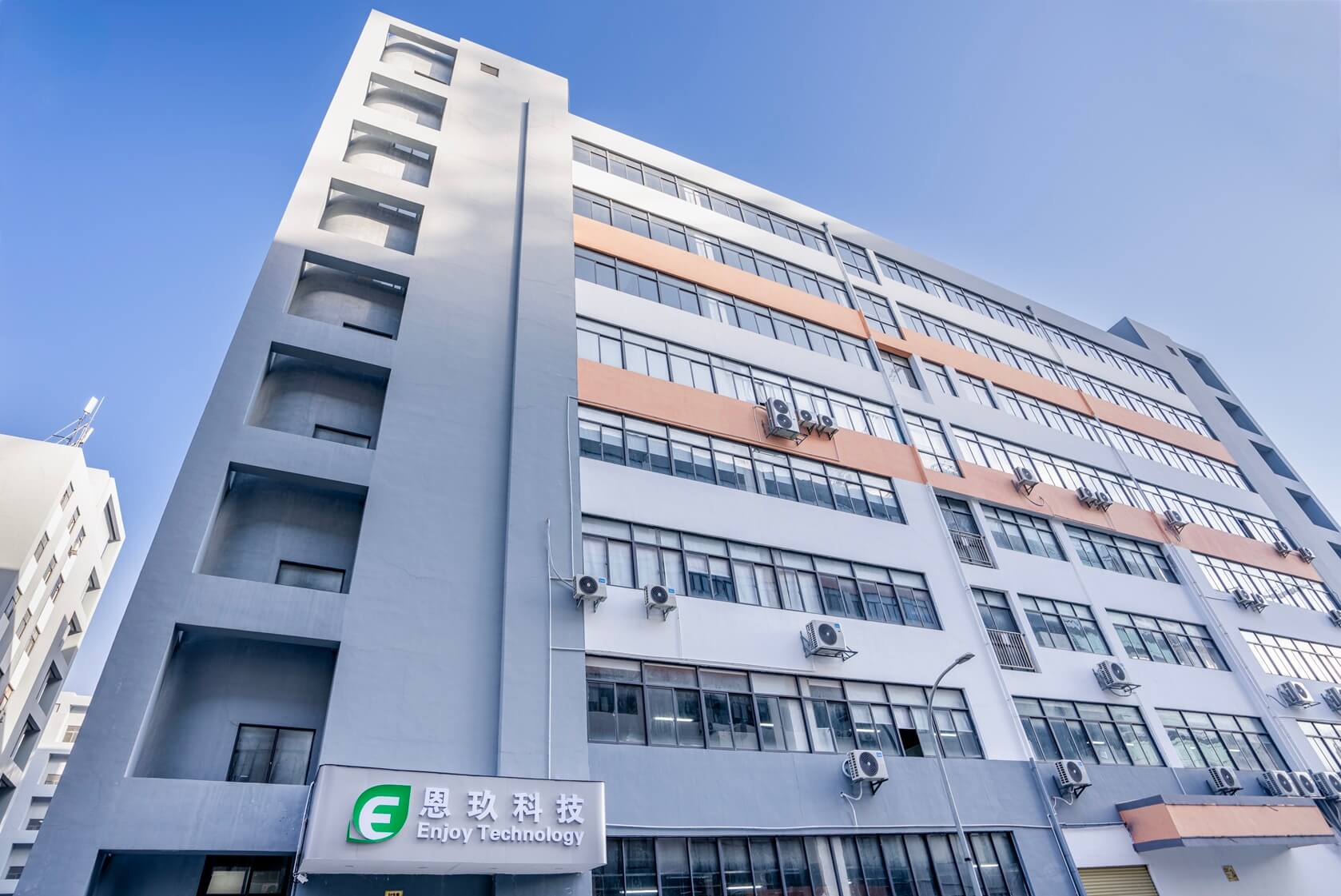
Evaluate Certifications and Quality Standards Before Choosing a Harmonic Filter Supplier
Certifications are an important indicator when selecting a harmonic filter supplier because they demonstrate whether products meet recognized safety, performance, and reliability requirements. Industrial buyers should review compliance with relevant international standards, including electrical safety requirements, electromagnetic compatibility standards, and quality management systems.
As a power electronics manufacturer, we recognize that certification is not only a document requirement but also a reflection of manufacturing discipline. A reliable supplier should have structured production processes, strict quality control procedures, and testing systems that ensure every unit performs consistently after installation.
For industrial applications, harmonic filters must operate continuously in complex electrical environments. Certifications indicate that equipment has been designed and manufactured according to relevant standards.
Review Testing Capability and Product Performance Verification
Testing is one of the most important factors in evaluating a harmonic filter supplier. A supplier with strong testing capabilities can identify potential issues before products reach the customer’s facility. This is especially important for industries where downtime can lead to significant production losses.
Professional harmonic filter testing should include performance verification under different load conditions, harmonic reduction analysis, thermal evaluation, and long-term reliability testing. These processes help confirm whether the solution can effectively improve power quality while maintaining stable operation.
At Enjoypowers, we emphasize practical performance validation because industrial environments often involve changing loads and demanding operating conditions. Our engineering approach focuses on developing power conversion solutions that deliver reliable performance in real deployment scenarios rather than only laboratory environments.
Consider Industry Experience and Global Deployment Track Record
A supplier’s track record provides valuable insight into its engineering capability and market reliability. Harmonic filtering requirements can vary significantly between industries, including manufacturing plants, renewable energy systems, data centers, and heavy industrial facilities. Suppliers with diverse project experience are better positioned to provide suitable solutions.
When selecting a harmonic filter supplier, buyers should consider factors such as completed projects, application industries, global service capability, and technical support experience. A company with proven deployment history can better understand installation challenges, system integration requirements, and long-term maintenance needs.
Our development journey reflects this commitment to industrial reliability. Starting from a 15㎡ office in 2015, Enjoypowers has grown into a global power technology company with more than 22 GW deployed. Through continuous innovation and trusted OEM partnerships, we have expanded from power quality solutions into advanced energy storage power conversion systems.
Choose a Partner with Strong Engineering and Manufacturing Capabilities
The role of a supplier goes far beyond providing equipment. Industrial customers often require customized solutions, technical consultation, and ongoing support throughout the entire project lifecycle—from initial system design and commissioning to routine operation and long-term maintenance. Therefore, evaluating engineering capability is essential when selecting an electronics manufacturer or power quality solution provider, as technical proficiency directly influences project success and operational continuity.
A capable supplier should be able to conduct thorough site surveys, analyze existing electrical conditions, recommend appropriate system configurations, and provide solutions that precisely match specific operational requirements. At Enjoypowers, we combine deep research and development expertise with decades of manufacturing experience to support customers across diverse industries.
Our power quality solutions are designed to support harmonic mitigation, reactive power optimization, and stable operation across industrial applications. Every solution we deliver is engineered for industrial reliability, ensuring robust performance even in harsh environments, so our customers can operate with confidence and long-term peace of mind.
Building Confidence Through Proven Power Quality Expertise
Selecting the right harmonic filter supplier requires a comprehensive evaluation of certifications, testing processes, technical capabilities, and industry experience. A supplier that combines engineering expertise with a strong deployment record can help businesses achieve better power quality, improve equipment protection, and maintain stable operations.
At Enjoypowers, we continue to develop reliable power conversion technologies that support industrial customers worldwide. With experience across more than 70 countries and over 22 GW of deployed solutions, we are committed to helping industries build stronger, more efficient, and more resilient power systems. Our goal is to deliver technologies that perform not only in controlled environments but also in the demanding conditions of real industrial applications.