
Modern industrial facilities increasingly rely on power electronic equipment such as variable frequency drives, welding machines, rectifiers, and charging systems. While these technologies improve efficiency and automation, they can also introduce harmonic distortion into electrical networks.
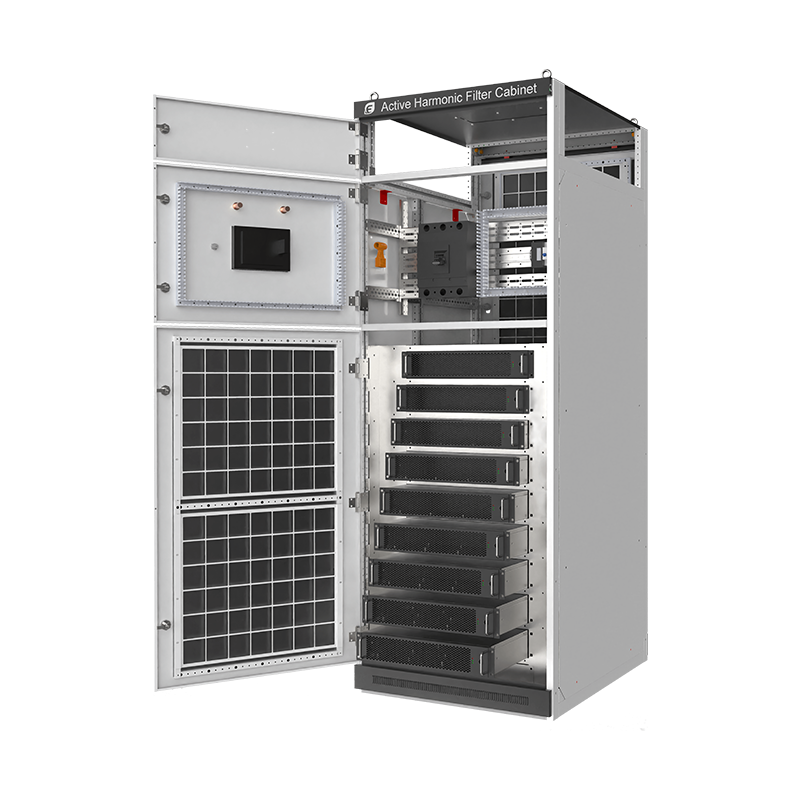
Choosing the right harmonic mitigation solution requires understanding load characteristics, system configuration, and power quality requirements. A properly selected filter can help reduce electrical disturbances, improve equipment reliability, and support stable operations.
At Enjoypowers, we recognize that harmonic filter selection should be based on actual site conditions rather than a simple product comparison. Engineers and facility managers need to evaluate harmonic sources, measurement data, and future expansion plans before deciding on the most suitable solution.
This guide explains the key factors involved in selecting a three-phase harmonic filter and provides practical considerations for industrial applications.
Understanding Harmonic Problems in Three-Phase Systems
Harmonics are electrical distortions caused by nonlinear loads that draw current in irregular waveforms. Common sources include industrial motors with drives, UPS systems, welding equipment, data center loads, and power conversion devices.
In three-phase electrical systems, harmonic currents can increase losses in transformers, cables, and other equipment. They may also contribute to overheating, unexpected equipment behavior, and reduced power system efficiency.
Before selecting a filter, companies should first identify the type and level of harmonic problems. Measuring total harmonic distortion (THD), harmonic orders, load patterns, and operating conditions provides the foundation for a correct solution.
A three-phase system requires careful analysis because harmonic distribution can vary between phases. Some facilities may experience balanced harmonic issues, while others may face additional challenges related to phase imbalance or neutral current.
Selecting an EAF harmonic filter Based on Load Characteristics
The type of load is one of the most important factors when selecting a harmonic solution. Different industrial applications generate different harmonic profiles, which means the filter design should match the actual electrical environment.
For example, electric arc furnaces create rapidly changing electrical conditions and significant harmonic disturbances during operation. In these cases, an EAF harmonic filter needs to respond effectively to dynamic load variations and provide appropriate compensation performance.
Other industrial loads, such as motors with variable speed drives or large rectifiers, may produce more predictable harmonic patterns. The selection process should consider harmonic orders, current levels, operating cycles, and future load changes.
Engineers should avoid selecting filter capacity only based on total facility power consumption. The required capacity depends more directly on the amount of harmonic current that needs compensation.
A detailed electrical measurement report is usually the first step. Data collected from power quality analyzers can help determine whether the system requires active filtering, passive filtering, or a combination of solutions.
Active and Passive Harmonic Filter Selection Considerations
There are several types of harmonic filtering technologies available, and each has different advantages depending on the application.
Passive filters use components such as capacitors, inductors, and resistors to target specific harmonic frequencies. They can be suitable for stable loads where harmonic characteristics remain relatively consistent.
Active harmonic filters use power electronics to detect harmonic currents and generate compensation currents with opposite phase characteristics. This allows them to adapt to changing load conditions.
When selecting between solutions, customers should consider:
Load variation patterns
Required harmonic reduction level
Available installation space
System expansion plans
Maintenance expectations
An industrial harmonic filter supplier should be able to provide guidance based on measured system conditions rather than recommending a standard configuration for every application.
Evaluating an Industrial Harmonic Filter Supplier
Choosing the right supplier is as important as selecting the filter technology. A qualified supplier should have experience with industrial power systems and understand different application environments.
Customers should evaluate several factors, including engineering capability, product testing methods, technical support, and project experience.
A reliable industrial harmonic filter supplier should provide assistance with system analysis, capacity calculation, installation planning, and commissioning support. The supplier should also understand applicable power quality standards and help customers select equipment that matches their electrical requirements.
At Enjoypowers, we focus on helping customers analyze power quality challenges and develop suitable solutions based on actual operating conditions. A successful harmonic mitigation project depends on accurate assessment, correct sizing, and effective system integration.
Important Technical Parameters for Filter Selection
Several technical parameters should be reviewed before finalizing a three-phase harmonic filter.
The first consideration is voltage compatibility. The filter must match the electrical system voltage and frequency to ensure safe operation.
The second factor is compensation capacity. The selected filter rating should be sufficient to handle existing harmonic currents while allowing reasonable space for future load growth.
The third factor is response capability. Industrial facilities with rapidly changing loads may require faster compensation performance. Active solutions can provide dynamic adjustment by monitoring system conditions in real time.
System wiring configuration is another important consideration. Three-phase systems may use three-wire or four-wire configurations depending on whether neutral current compensation is required.
Installation conditions should also be evaluated. Available space, cooling requirements, connection methods, and maintenance access can influence the final equipment selection.
Common Mistakes When Choosing a Harmonic Filter
Many harmonic filter selection problems occur because decisions are made without sufficient system analysis.
One common mistake is choosing equipment based only on installed load capacity. A large electrical load does not always mean high harmonic distortion. Actual measurements are necessary to determine the required compensation level.
Another mistake is ignoring future expansion. Industrial facilities often add new production equipment, which can change harmonic characteristics over time.
Companies should also consider the interaction between harmonic filters and other power quality equipment. Proper coordination helps avoid unwanted effects and improves overall system performance.
Working with an experienced supplier during the design stage can help prevent these issues and ensure the selected solution matches operational needs.
Conclusion
Selecting a three-phase harmonic filter requires a comprehensive understanding of electrical loads, harmonic sources, system requirements, and future operating conditions.
The right solution should be based on measured data, technical evaluation, and practical application experience. Factors such as filter type, compensation capacity, response speed, and supplier capability all influence long-term performance.
As industrial electrical systems become more complex, effective harmonic management is becoming increasingly important for maintaining reliable operations. Enjoypowers continues to support businesses in addressing power quality challenges through professional analysis and engineering-focused solutions.
By following a structured selection process, companies can improve electrical stability, protect sensitive equipment, and create a more efficient industrial power environment.