
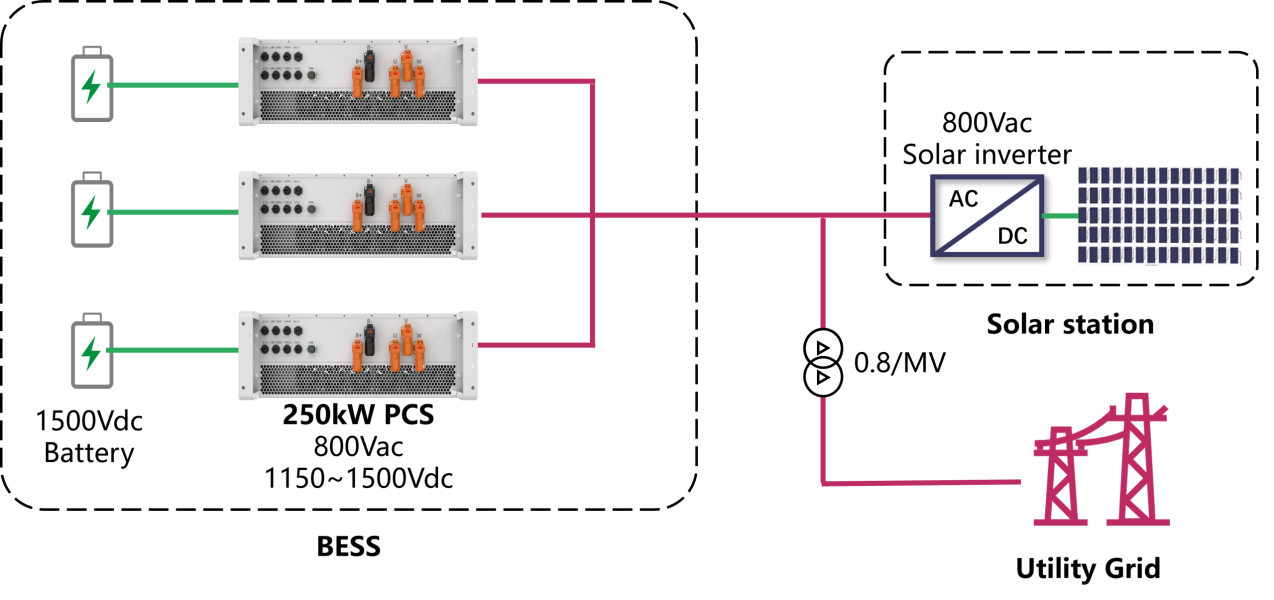
Abstract: As photovoltaic (PV) module and inverter technologies evolve, 800Vac output connected to the grid via 10kV or 35kV transformers has become the mainstream architecture for ground-mounted and commercial PV power plants. However, in the context of PV-plus-storage integration, traditional 690Vac centralized energy storage solutions face systemic challenges due to voltage mismatch, including efficiency losses, accelerated State of Health (SOH) degradation, and grid resonance. This paper explores a solution based on 800Vac Grid-Forming (GFM) String PCS from the perspectives of electrical topology and battery management, analyzing how it resolves grid interconnection pain points and enhances full lifecycle revenue.
1 Industry Background: Storage Adaptation Challenges in Higher Voltage PV Systems
To reduce line losses (P=I^2 R) and increase system power density, the AC output voltage of high-power string PV inverters has shifted comprehensively from early 400V/540V to 800Vac. These devices are typically connected directly to double-split or double-winding step-up transformers and then fed into the 10kV or 35kV utility grid.
However, the current energy storage market still largely adheres to the 690Vac voltage standard inherited from the wind power era. When an 800Vac PV system requires energy storage (for energy arbitrage or frequency regulation), this voltage mismatch forces designers to introduce additional transformation stages. This “retrofitting” approach compromises the economic efficiency of the power plant.
2 Current Status Analysis: Challenges of Traditional 690Vac Centralized Solutions
The current mainstream solution—”2.5MW/690Vac Centralized PCS + Step-up Transformer”—is illustrated below:
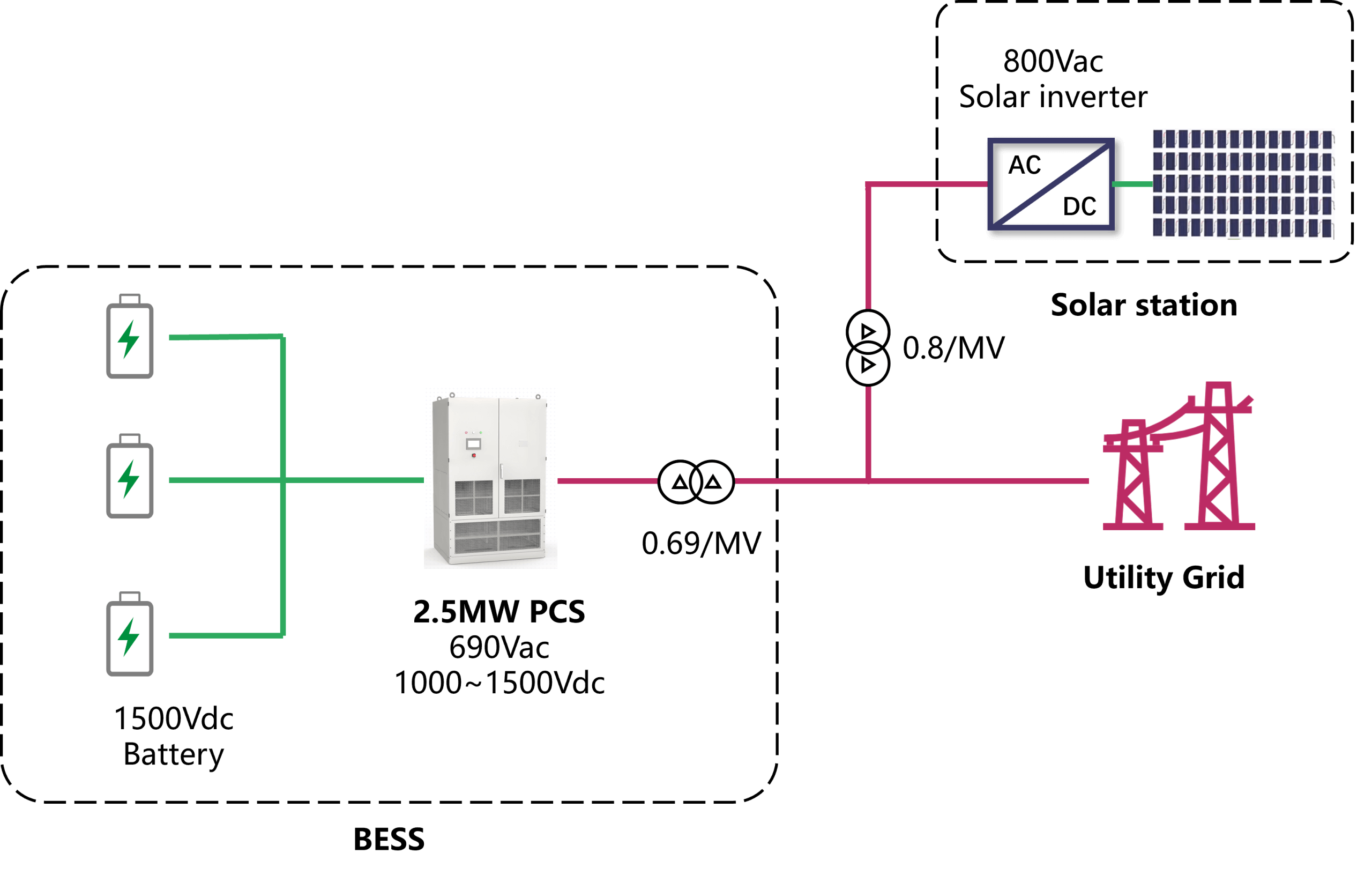
Figure 1: Traditional 690Vac centralized energy storage PCS scheme.
When applied to 800Vac PV power plants, this architecture faces three major technical bottlenecks:
2.1 Dual Losses in Efficiency and Cost due to Topological Redundancy
Connecting 690Vac storage to an 800Vac PV system necessitates an additional 690/800V transformer (or a direct step-up to 10/35kV) between the PCS and the grid interconnection point.
- Increased CAPEX: The transformer and its associated distribution facilities directly increase the Balance of System (BOS) cost.
- Reduced Efficiency: Power flows through the path: “PV Transformer -> Grid Busbar -> Storage Transformer -> PCS -> Battery.” The superposition of copper and iron losses from multiple transformer stages significantly reduces System Efficiency.
2.2 Increased Line Losses due to Low-Voltage Side Current
According to the power formula P=√3 UIcosф, for the same 2.5MW capacity:
- 690V System Current: ~2091A
- 800V System Current: ~1804A The current in the 690V solution is approximately 16% higher. Since line loss is proportional to the square of the current, the AC-side thermal line loss of the 690V solution is theoretically about 34% higher than that of the 800V solution. Over long-term operation, this significantly increases cable loss costs throughout the lifecycle and lowers the Round Trip Efficiency (RTE).
2.3 “Barrel Effect” and SOH Decay caused by Centralized Parallel Connection
This is a prominent drawback of centralized schemes. A centralized PCS typically connects 6-12 battery clusters in parallel to the DC side.
- Inter-cluster Circulating Current: Due to unavoidable inconsistencies in internal resistance (Imp) and voltage among battery clusters, circulating currents inevitably occur in the parallel circuits.
- Lifespan Degradation: Circulating currents cause some cells to remain in a state of overcharge or over-discharge for extended periods, accelerating aging. Field data indicates that in storage plants using centralized PCS, battery SOH (State of Health) often drops to around 80% after one year of operation, with severe cases falling to 75%. This directly causes a substantial shrinkage in usable capacity in the later stages of the project, severely impacting the IRR in financial models.
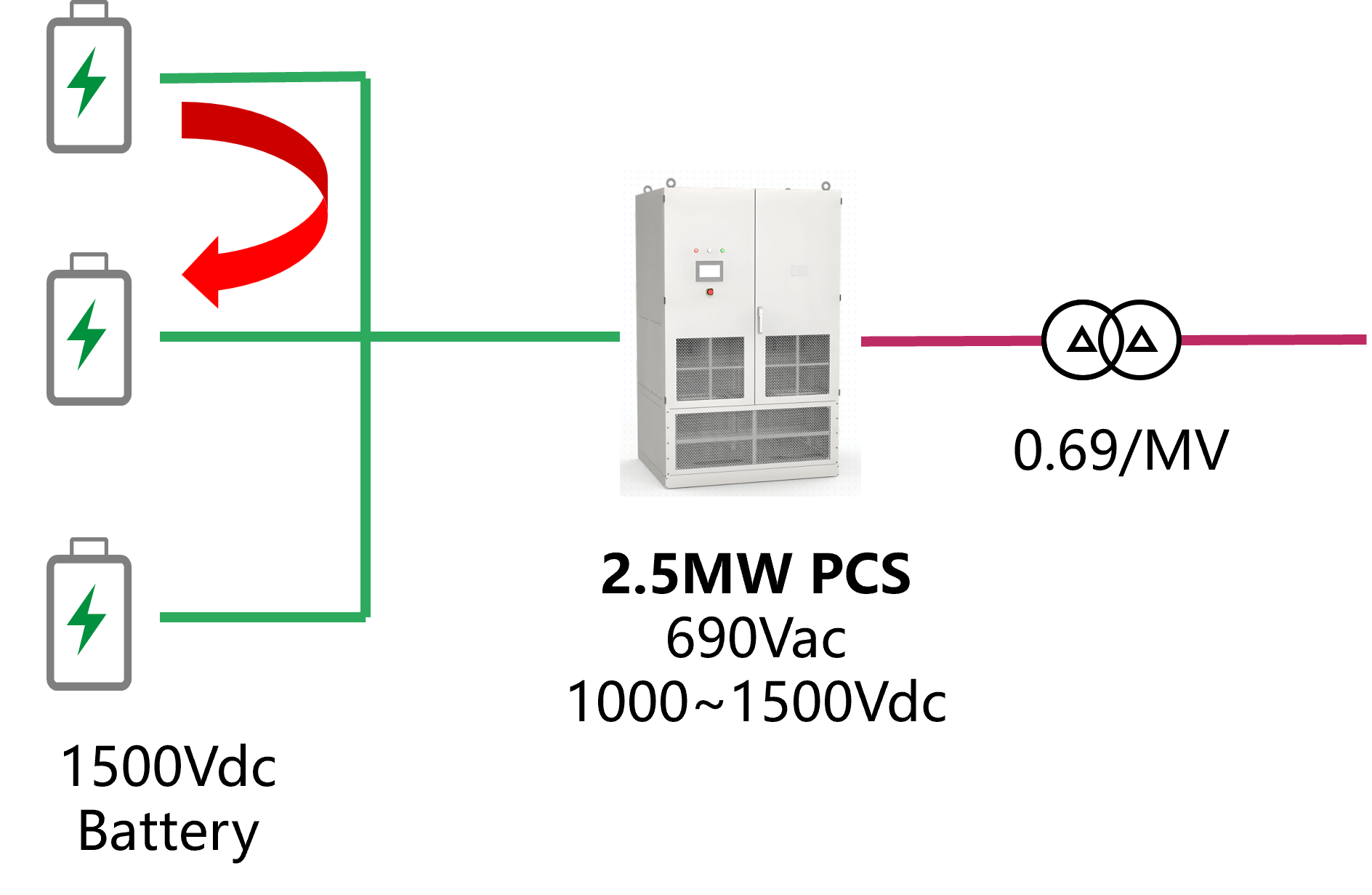
Figure 2: Centralized storage PCS scheme leading to severe battery circulating current issues.
3 Technical Breakthrough: Enjoypowers 800Vac Grid-Forming String PCS Solution
Addressing the pain points, Enjoypowers has introduced a 250kW Grid-Forming String PCS customized for 800V PV systems. This product achieves “homologous matching” with 800Vac PV systems in terms of electrical architecture.
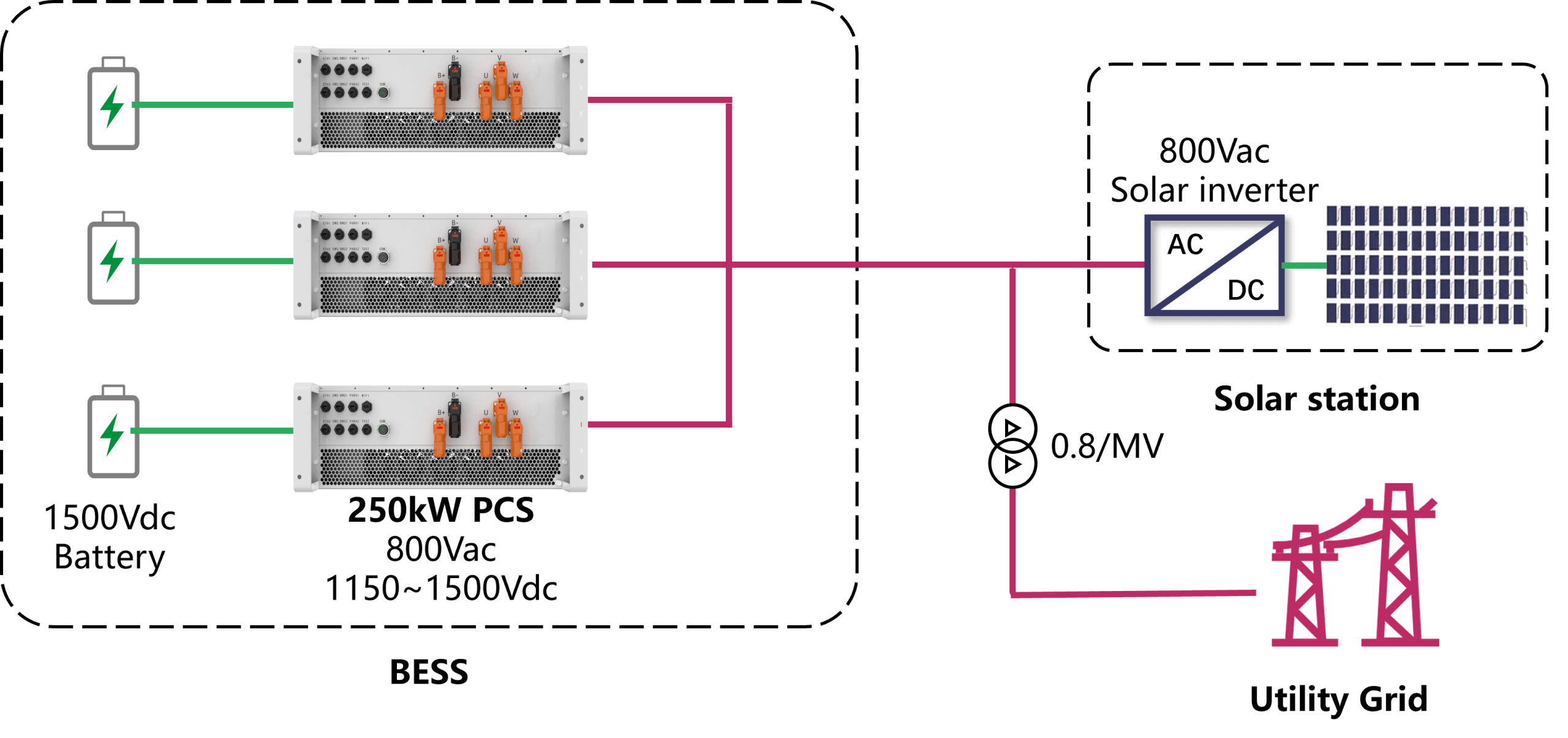
Figure 3: 800Vac string storage PCS transformer-less solution.
3.1 800Vac Direct Connection Technology: Significant Efficiency Gains and Cost Optimization
- Parameter Characteristics: The PCS features a rated AC voltage of 800Vac and a wide DC voltage range of 1150-1500Vdc (also compatible with 690Vac/1000-1500Vdc).
- Technical Advantage: The PCS AC side can connect directly to the 800V busbar of the PV station or the low-voltage side of the double-split transformer, eliminating the dedicated step-up transformer for energy storage.
Eliminates transformer losses and failure points.
Significantly reduces system footprint and initial investment.
3.2 String Architecture: Topology-Level Elimination of Inter-cluster Circulating Paths
The solution adopts a modular design where a single 250kW PCS corresponds to a specific battery cluster, achieving “one cluster, one management” precision.
- DC Decoupling: There is no electrical connection between battery clusters on the DC side. This physically eliminates inter-cluster circulating currents. Even if one battery cluster fails, other branches can continue to operate normally.
- Capacity Utilization: Even with varying degrees of battery aging, the PCS can regulate each cluster independently. The “short board” (weakest battery) does not restrict the “long board” (strongest battery), significantly increasing full lifecycle discharge volume and effectively maintaining SOH at a high level.
- Flexible Capacity Configuration: The string architecture allows for flexible capacity sizing, phased construction, and convenient future expansion.
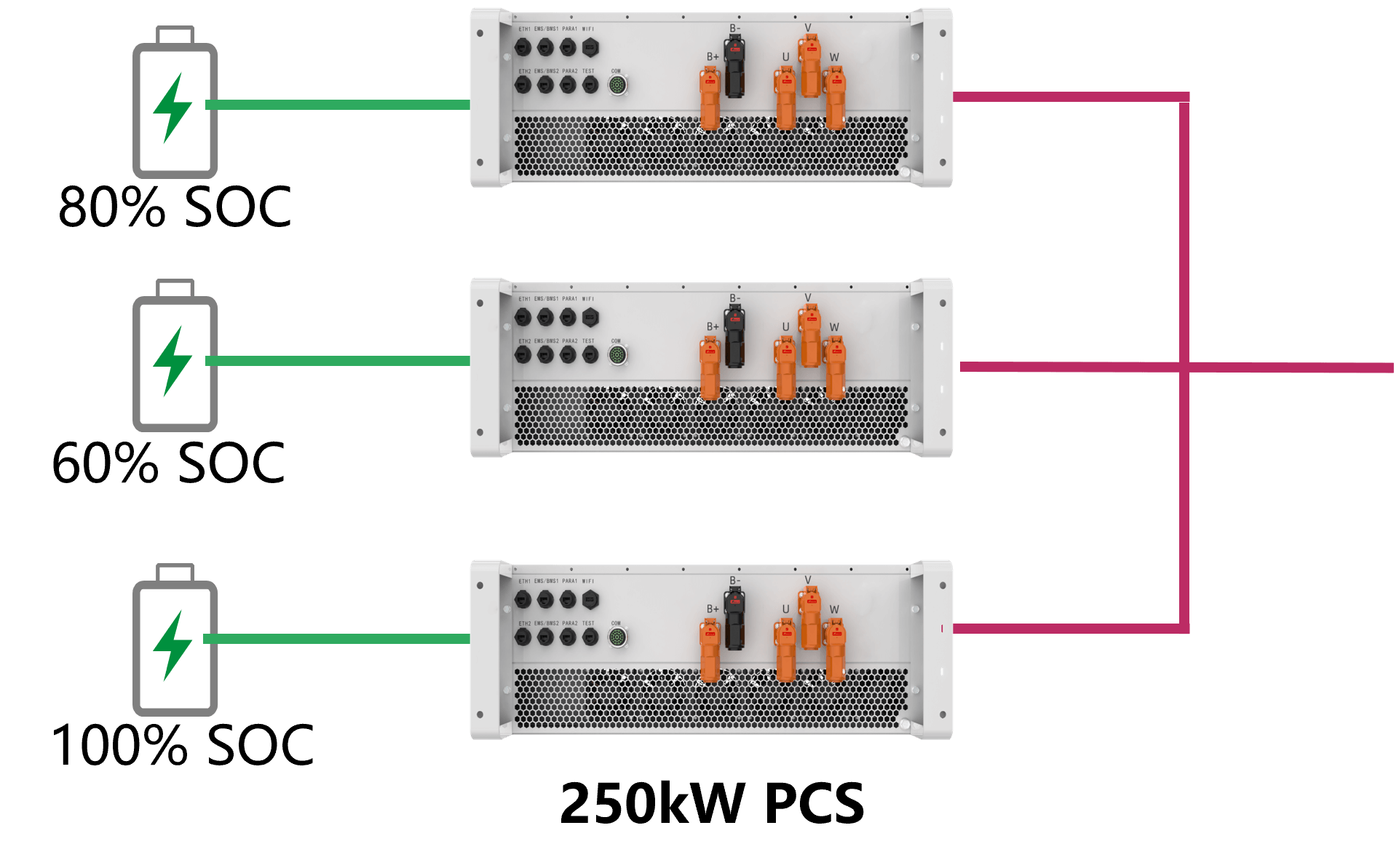
Figure 4: String storage PCS optimizing battery cluster SOC balancing.
3.3 Solving Resonance Risks in Dual “Grid-Following” Systems
Photovoltaic inverters are typically Grid-Following (GFL) sources, which need to track grid voltage and frequency. Traditional storage PCS units are also Grid-Following. When both are connected to the same 800Vac point of interconnection (POI), especially in weak grids (low Short Circuit Ratio, SCR), the two control loops are prone to coupled oscillation, leading to system resonance. This can cause disconnection or equipment damage.
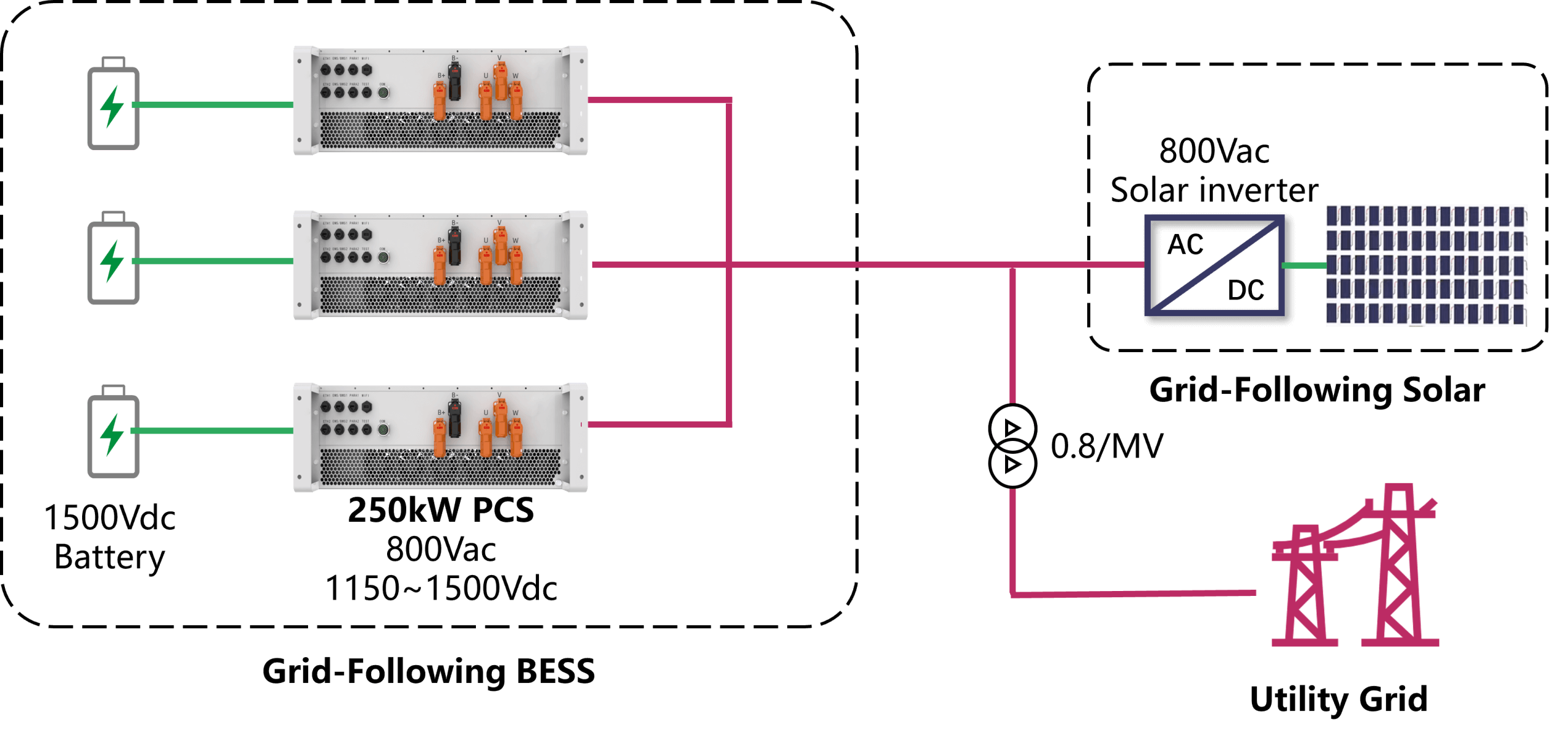
Figure 5: Grid-Following Storage PCS and Grid-Following PV Inverter leading to resonance risk.
To ensure grid stability in PV-plus-storage systems, Enjoypowers PCS integrates a Grid-Forming (GFM) control algorithm based on Virtual Synchronous Generator (VSG) technology. It resolves resonance issues through three core mechanisms:
- Mechanism 1: Virtual Damping: Suppresses grid power oscillations, simulating the damping characteristics of synchronous machines to smooth transient PV output fluctuations.
- Mechanism 2: Inertial Response: Provides virtual rotational inertia. When grid frequency changes, the PCS utilizes battery energy to provide instantaneous power support, enhancing the grid’s disturbance resistance.
- Mechanism 3: Virtual Impedance Reshaping: Actively reshapes output impedance characteristics, decoupling the mutual influence between the PV inverter and the PCS at the control level, drastically reducing grid resonance risk.
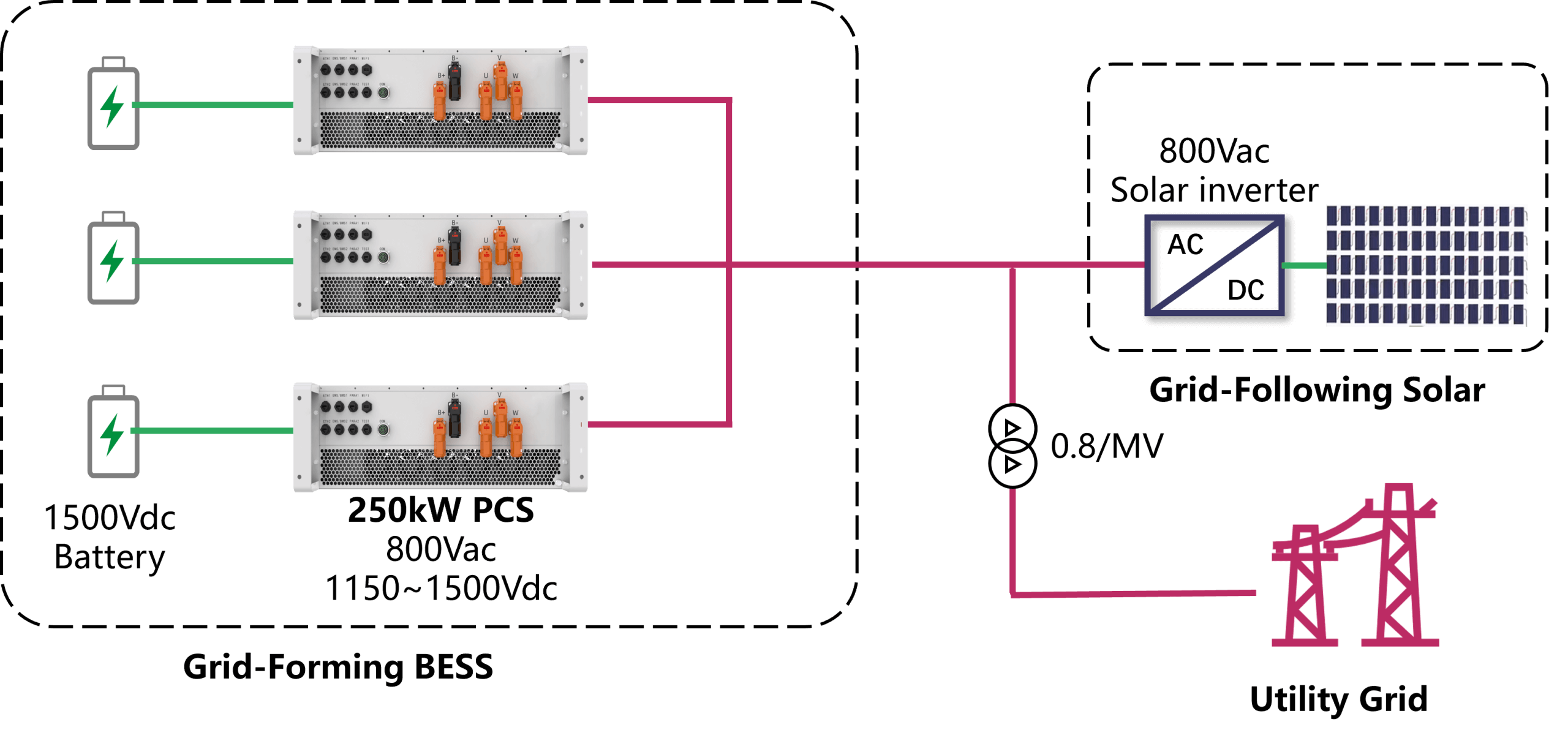
Figure 6: Grid-Forming Storage PCS effectively eliminating resonance risk.
Creating New Revenue Streams via Ancillary Services Based on these grid-forming capabilities, the system serves not only as an energy shifter but also as a grid “stabilizer.” It supports:
- Microsecond-level passive primary frequency/voltage regulation
- Harmonic suppression
- Active secondary frequency/voltage regulation
- Flexible inertia support
This enables plant owners to provide high-level ancillary services, generating Ancillary Service Revenue from frequency and voltage regulation markets. As renewable penetration increases and grid strength (SCR) decreases, Grid-Forming capabilities will become a mandatory requirement for grid connection, ensuring compliance with future Grid Codes.
4 Hardware Ecosystem: Wide Voltage Adaptation and Modular Scalability
As the energy storage industry moves toward the era of 300Ah+ large-capacity cells, battery DC voltage continues to rise, imposing strict requirements on PCS voltage adaptability.
4.1 Seamless Integration with Core Units and Mainstream Battery Cabinets
The Enjoypowers EPCS250 PCS is designed for high-voltage, large-capacity scenarios. Its DC side supports up to 1500V, fully leveraging the energy density of large cells and achieving deep compatibility with mainstream battery manufacturers.
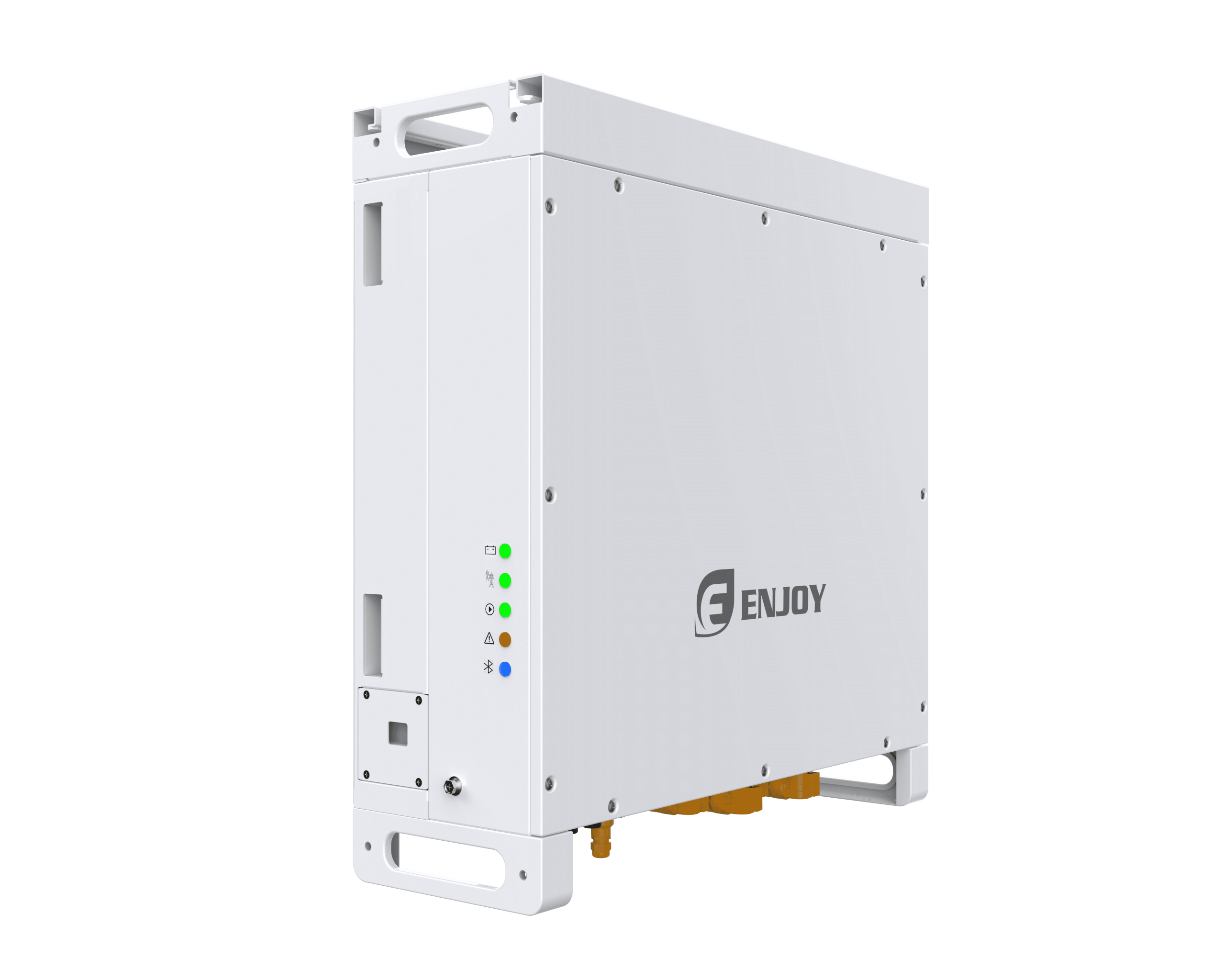
Figure 7: Enjoypowers EPCS250 Grid-Forming Storage PCS, adapted for DC1500Vdc batteries.
The module perfectly adapts to 5MWh liquid-cooled battery cabinets from major manufacturers such as CATL (EnerX), EVE Energy, and Gotion High-Tech (ESD1331-05P5015). Utilizing the “One Cluster, One PCS” connection method, it can flexibly form a 2.5MW/5MWh standard energy storage array, achieving modular scalability and reducing system integration complexity.
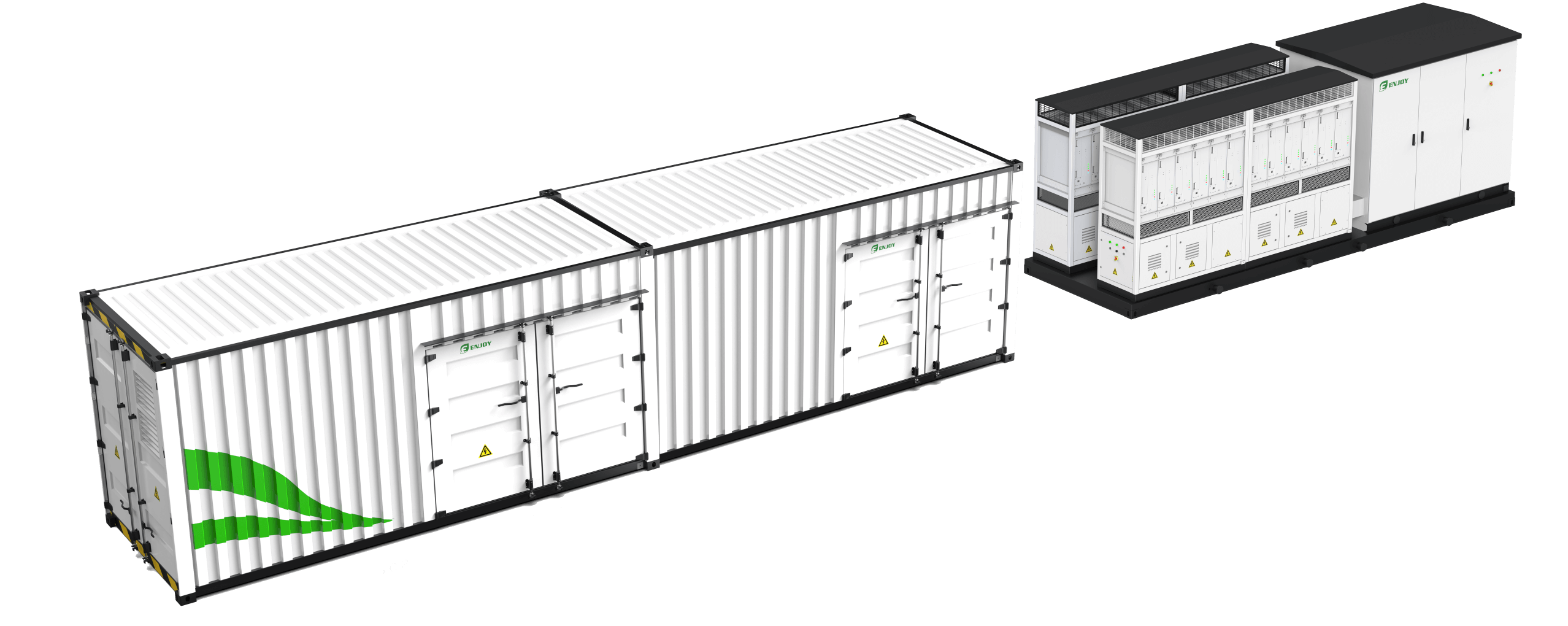
Figure 8: Enjoypowers EPCS250 PCS x 24 + Battery Container forming a 5MW/10MWh storage system diagram/rendering.
4.2 Flexible Configuration from C&I to Utility-Scale Plants
Based on modular architecture, the EPCS250 demonstrates strong scenario adaptability:
- Distributed C&I Scenarios: A single PCS can be combined with a liquid-cooled battery cabinet to form a 250kW/418kWh distributed energy storage system, offering flexible deployment and plug-and-play capability.
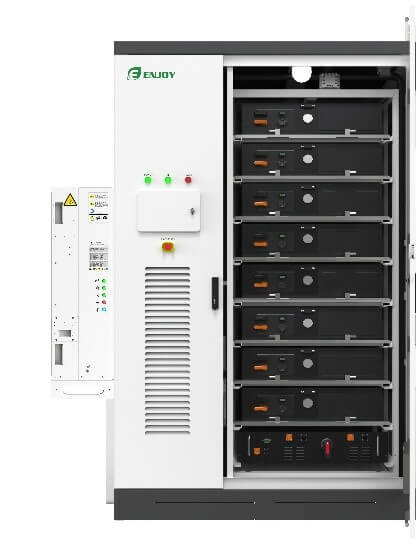
Figure 9: EPCS250 PCS + 418kWh battery cabinet forming a 250kW/418kWh storage system, suitable for C&I applications.
- Centralized Utility-Scale Scenarios: 6 to 24 PCS modules can be centrally installed to form a 1.5MW – 6MW high-power PCS cabinet. This solution retains the precision of string management while offering the O&M convenience of centralized installation, flexibly matching battery containers to meet diverse capacity requirements.
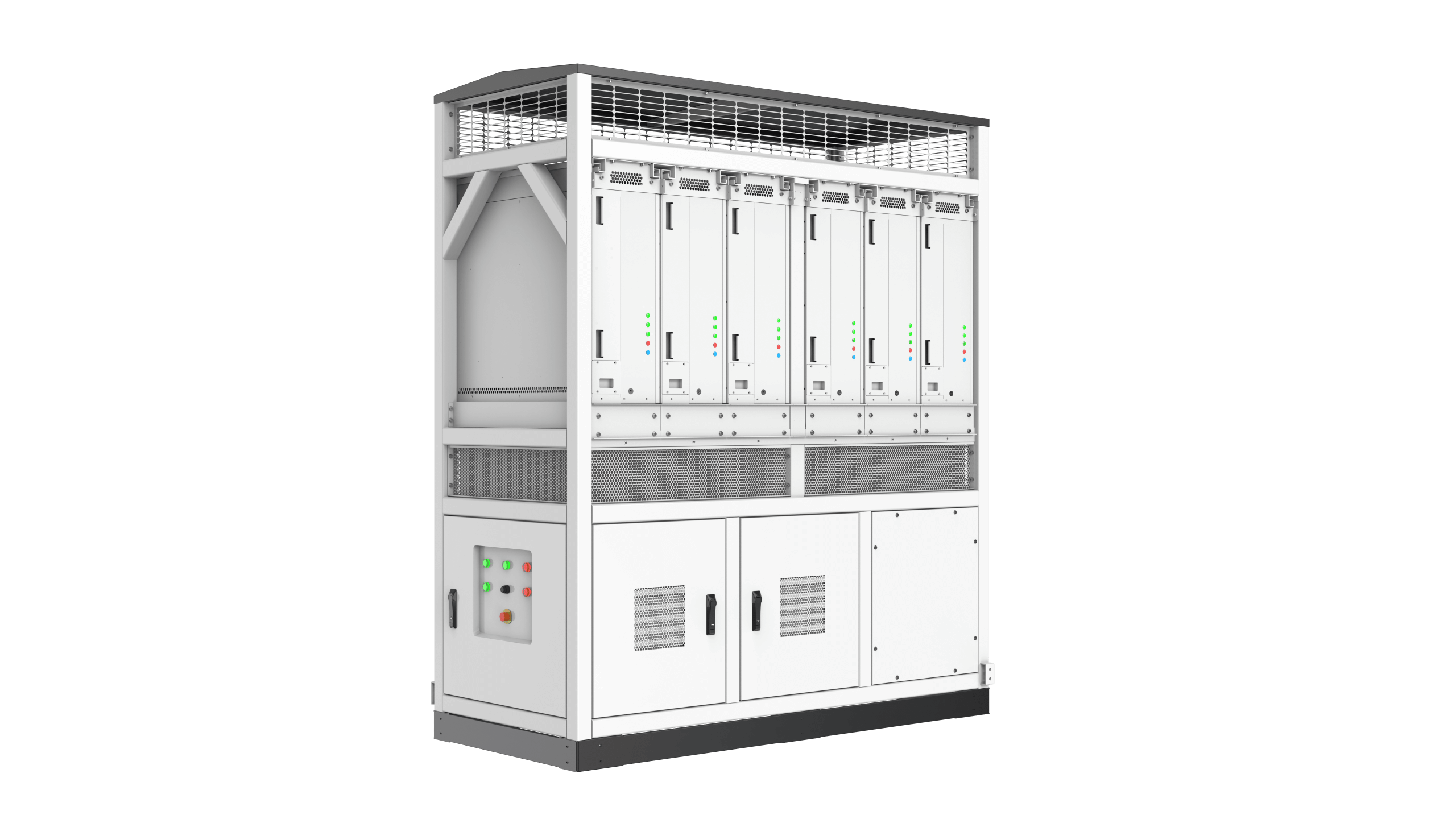
Figure 10: 1.5MW PCS cabinet (containing 6 x EPCS250 modules
5 Delivery Track Record: International Certification and Multi-Scenario Deployment
Technical advancement must be validated through standard certification and actual operation.
5.1 Dual International Certification
Currently, the Enjoypowers Grid-Forming PCS has successfully obtained European EN 50549 Grid Connection Certification and French Grid Connection Certification. This signifies that the product fully meets rigorous European standards for grid adaptability, harmonic control, and fault ride-through capabilities, clearing the path for global application.
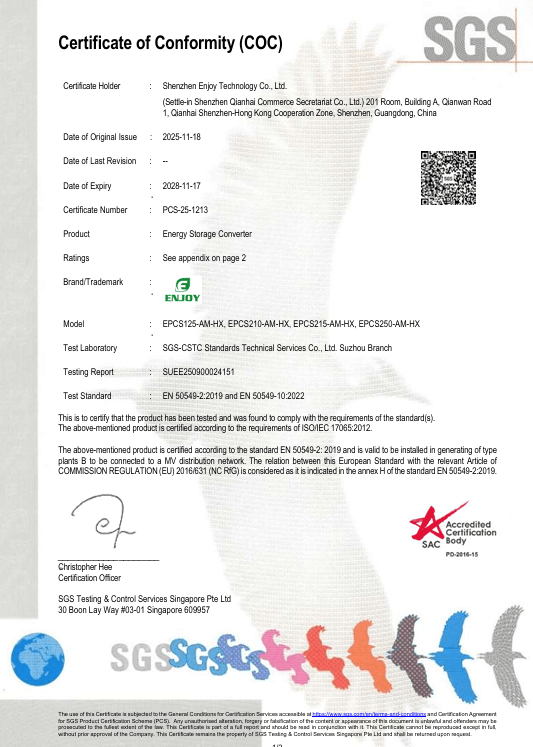
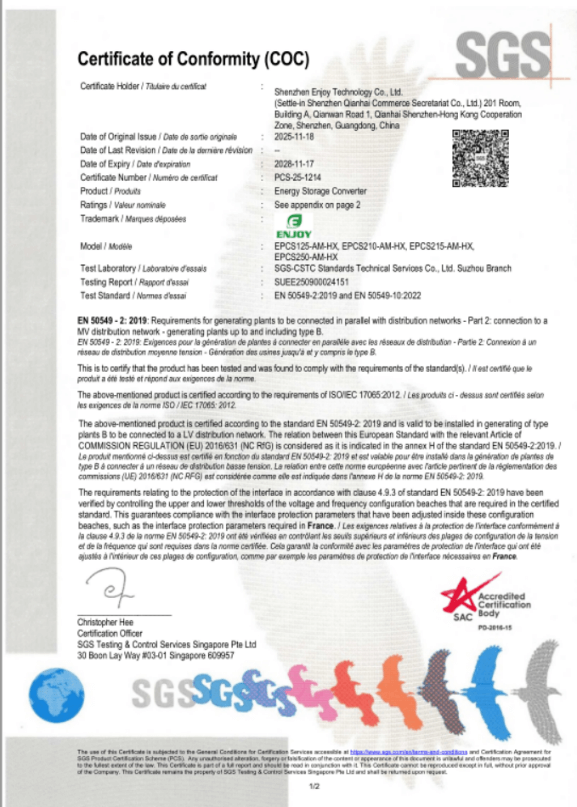
Figure 11: Enjoypowers EPCS250 series certificates for EN 50549-2/10 and French Grid Connection.
5.2 Extensive Project Application
The solution has achieved volume delivery in both Chinese and European markets. Whether in high-altitude, high-UV western PV bases or space-constrained industrial parks, the EPCS250 has demonstrated exceptional stability and grid-forming performance.
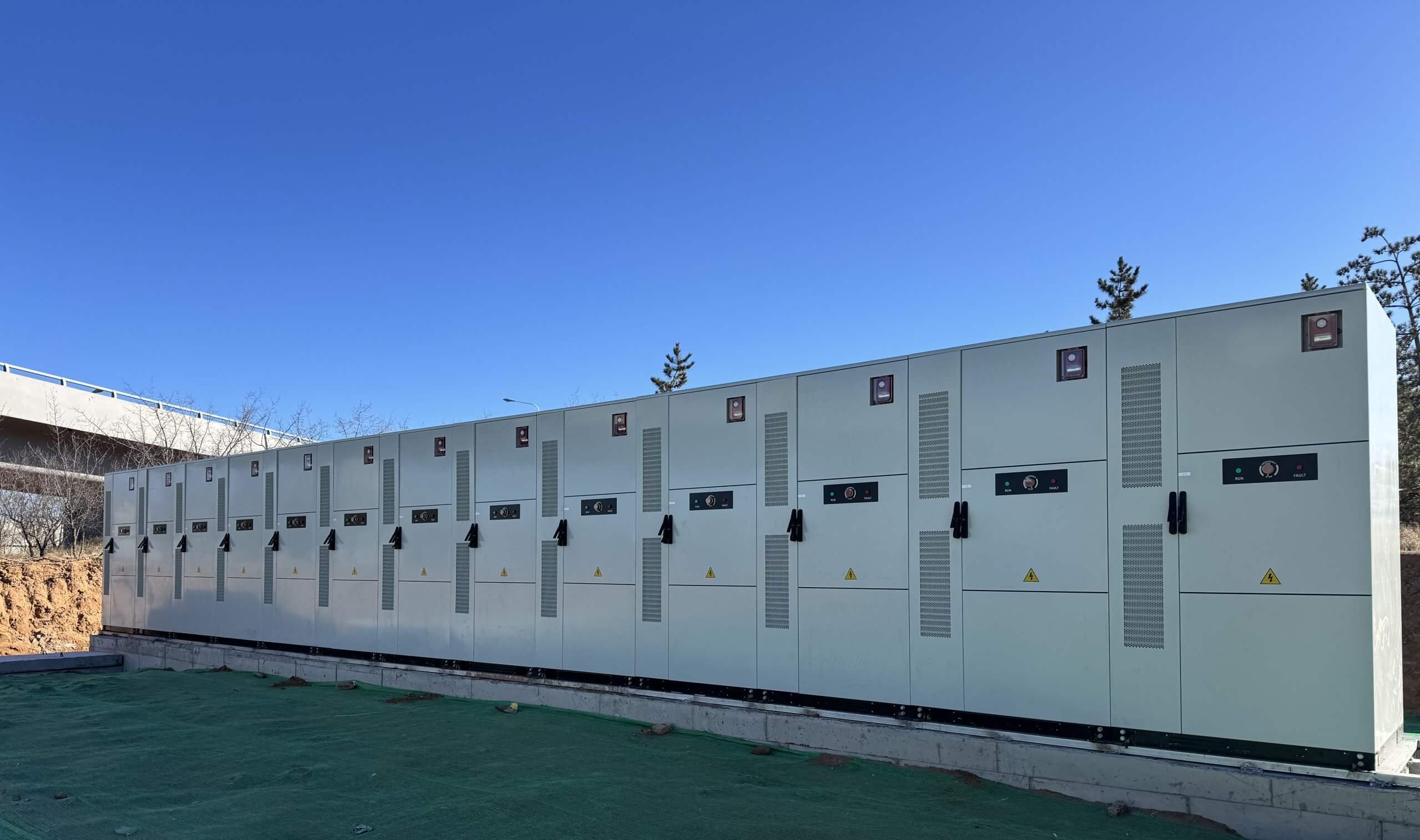
Figure 12: Application case of EPCS250 in Inner Mongolia.
6 Conclusion and Outlook
In the design of 800Vac PV power plants, the voltage level matching the energy storage system directly determines system safety and economic viability.
From an engineering perspective, the Enjoypowers 250kW Grid-Forming String solution eliminates the storage transformer stage through 800Vac voltage alignment, resolves the circulating current and lifespan shortcomings of centralized systems through string management, and mitigates grid resonance risks via Grid-Forming technology.
Currently, the product has obtained European EN 50549 and French Grid Connection certifications and is in mass operation across Europe and China. For PV-plus-storage plant owners seeking high energy efficiency, long lifespan, and grid-friendliness, this represents the most technically consistent and optimal engineering choice.
In summary, this solution not only resolves voltage mismatch and grid stability issues technically but also reduces the LCOE of PV-plus-storage plants by lowering both CAPEX (Initial Investment) and OPEX (Operations & Maintenance), making it the superior solution for current high-voltage, large-capacity storage scenarios.