
A hybrid inverter can be a critical part of an industrial energy system, but many warranty problems are not caused by manufacturing defects. They often begin during installation, where incorrect design decisions, wiring errors, or unsuitable operating conditions place equipment outside its intended environment.
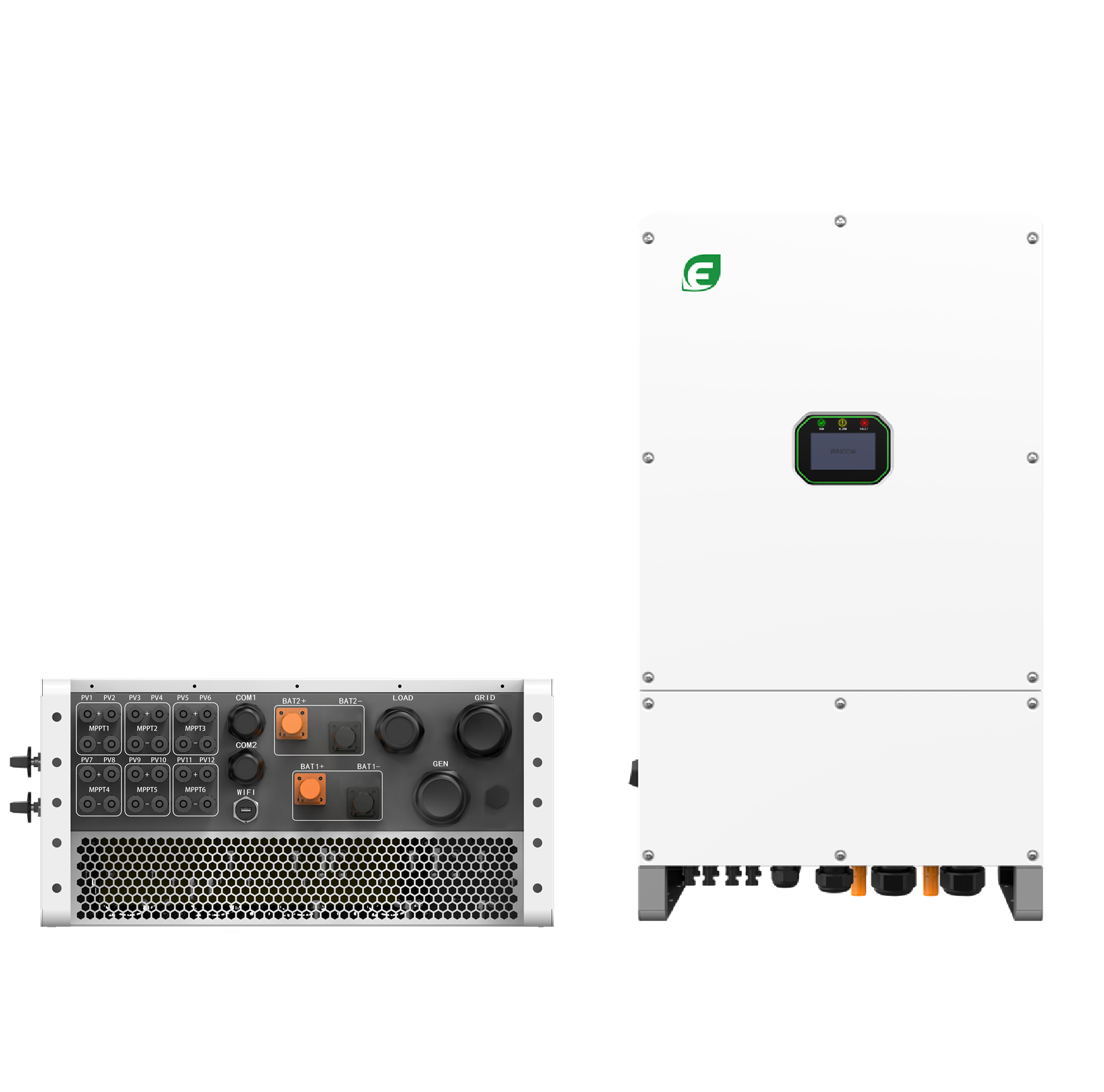
Manufacturers generally define warranty coverage based on proper installation, operation, and maintenance practices. Warranty terms commonly require users to follow installation instructions and avoid damage caused by incorrect setup.
For businesses investing in energy systems, preventing installation mistakes is not only about avoiding downtime. It also protects the long-term value of the equipment.
Warranty Problems Often Start Before the Hybrid Inverter Begins Operating
The first installation mistake happens when equipment selection and site conditions are not fully evaluated before installation begins.
A hybrid inverter must be matched with the electrical characteristics of the project, including connected loads, battery configuration, and expected operating modes. Problems can occur when the installed system does not reflect the conditions considered during product design.
Industrial projects often involve complex loads such as motors, production equipment, and automation systems. These loads may behave differently from simple residential applications, especially during startup or sudden power changes.
We at Enjoypowers focus on understanding the operating environment before recommending solutions. Correct installation starts with knowing how the system will be used, not only where the equipment will be mounted.
Incorrect System Design Can Create Failures Outside Intended Operating Conditions
One common warranty risk comes from using equipment beyond its designed operating range.
Oversized loads, unsuitable battery configurations, or incorrect system architecture can place excessive stress on inverter components. The issue may not appear immediately but can develop through repeated overload events, abnormal charging conditions, or unstable operation.
Industrial hybrid inverter company selection is closely connected with system planning because equipment capability must match project requirements. A reliable supplier should help evaluate whether the proposed configuration fits the intended application.
Installers should also verify that operating parameters align with manufacturer requirements. For example, off-grid systems require careful load calculation because there is no utility source available to absorb unexpected demand changes. Improper load planning can contribute to inverter faults or reduced reliability.
Electrical Connections and Environmental Conditions Directly Affect Reliability
Installation quality at the electrical connection stage has a direct impact on inverter operation.
Incorrect DC polarity, loose terminals, unsuitable cable selection, or improper protection devices can create abnormal electrical stress. These mistakes may damage internal components and make warranty evaluation more complicated.
Environmental conditions are another factor that installers cannot ignore. Equipment installed in locations with excessive heat, moisture, dust, or insufficient ventilation may experience operating problems unrelated to product manufacturing.
Solar hybrid inverters for industrial applications are typically expected to operate in demanding environments, making installation planning especially important. The mounting location, airflow conditions, and protection measures should match the actual site requirements.
A well-designed installation reduces unnecessary stress on the inverter and helps maintain stable operation throughout its service life.
Skipping Commissioning and Documentation Creates Avoidable Warranty Risks
A completed installation is not the final step. Commissioning verifies whether the system has been configured correctly and whether all components are operating together as expected.
Skipping commissioning procedures can hide problems that later appear as equipment failures. Incorrect settings, communication issues, or unverified protection parameters may affect system performance after operation begins.
Documentation also plays an important role during future service activities. Installation records, configuration information, and operating history help identify whether a problem comes from equipment failure or external conditions.
Some warranty processes require installation information, product records, or evidence of proper operation when evaluating claims. Maintaining accurate records can therefore simplify troubleshooting and technical support.
At Enjoypowers, we view commissioning as part of system quality control rather than an administrative step. Proper startup procedures create a clearer foundation for reliable operation.
A Correct Installation Protects Long-Term Hybrid Inverter Value
Avoiding warranty problems starts with treating installation as an engineering process rather than a simple equipment connection task.
The most important precautions are matching the system design to real operating conditions, completing electrical work correctly, protecting the equipment environment, and maintaining clear commissioning records.
Stable operation of an industrial energy system depends on more than choosing suitable solar hybrid inverters for industrial applications. System configuration, installation accuracy, and site-specific conditions all influence whether the inverter can deliver consistent performance over its service life.
At Enjoypowers, we approach industrial energy projects by evaluating actual operating requirements and designing solutions around real application conditions. Proper installation practices help minimize avoidable faults while ensuring the equipment delivers the expected value after deployment.
Warranty protection is ultimately connected to installation discipline. The best way to avoid warranty disputes is to prevent installation mistakes before they become operational failures.