
A hybrid inverter supplier may look competitive on paper, but technical specifications alone rarely show the full difference between manufacturers. Two companies can offer products with similar power ratings while delivering very different results during system integration, commissioning, and long-term operation.
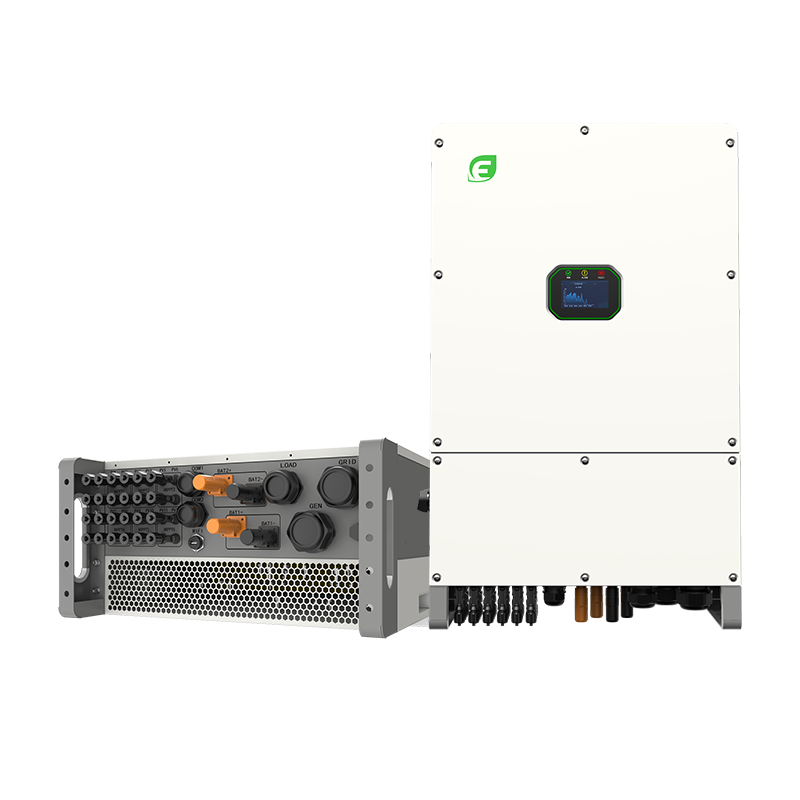
For commercial and industrial energy storage projects, supplier selection is not only about buying an inverter. It is about choosing a manufacturer that can support the complete lifecycle of the energy system.
The gap between Tier-1 and Tier-2 suppliers usually comes from engineering capability, manufacturing experience, and the ability to solve complex project requirements.
Why Two Hybrid Inverter Suppliers With Similar Specifications Can Deliver Different Results
Many buyers begin a hybrid inverter manufacturer comparison by reviewing efficiency, output capacity, communication functions, and price. These specifications are necessary, but they do not fully represent supplier capability.
A hybrid inverter must coordinate energy conversion between batteries, renewable generation, electrical loads, and the grid. The equipment needs stable control logic and reliable operation under changing conditions.
A Tier-1 supplier typically builds its products around a deeper understanding of these system requirements. The manufacturer is usually involved in product development, testing, and application optimization instead of only assembling equipment based on existing designs.
A Tier-2 supplier may provide a functional product but often has fewer resources for engineering customization or complex project support.
As an energy storage company, we believe supplier evaluation should focus on the capability behind the product. Enjoypowers develops energy storage and power conversion solutions with attention to practical industrial applications and customer requirements.
The First Separation Point: How Manufacturers Develop and Validate Hybrid Inverters
The development process can reveal significant differences between suppliers.
Tier-1 manufacturers generally invest more heavily in research, engineering teams, and product validation. Their development process considers different operating conditions, system interactions, and customer applications before products reach the market.
For hybrid inverters, this development capability affects important areas such as power control response, communication stability, and compatibility with different energy storage configurations.
Manufacturing processes also influence supplier classification. A company with established production management can maintain more consistent quality between different units and production batches.
The difference is not only whether a product can operate under normal conditions. It is whether the manufacturer has the technical foundation to maintain stable performance when projects face changing loads, different grid environments, or customized requirements.
A power quality company with experience in electrical system management can also bring additional knowledge to hybrid inverter development because both fields rely on advanced power electronics control. Enjoypowers applies experience from energy storage and power quality solutions to support customers with integrated electrical system needs.
The Second Separation Point: Whether the Supplier Understands Complete Energy Storage Projects
A hybrid inverter is only one part of a commercial and industrial energy storage system. The manufacturer must understand how the inverter interacts with batteries, EMS platforms, renewable energy sources, and customer load profiles.
Tier-1 suppliers usually have broader project experience because they participate in different application scenarios. They understand that the same inverter may require different operating strategies depending on whether the project focuses on peak demand reduction, renewable energy utilization, backup power, or microgrid operation.
This project understanding helps manufacturers provide more suitable technical solutions.
In contrast, suppliers with limited application experience may focus mainly on delivering standard equipment. Their products may meet basic specifications but provide fewer options when customers require system adjustments.
The difference becomes visible during engineering communication. A capable supplier can discuss project objectives, electrical conditions, and integration requirements before installation begins.
For industrial buyers, this ability reduces uncertainty because the manufacturer becomes a technical partner rather than only an equipment vendor.
The Third Separation Point: What Happens After the Hybrid Inverter Is Delivered
The supplier relationship does not end when the hybrid inverter arrives at the project site.
During installation and commissioning, unexpected issues may occur. Communication settings, operating parameters, and system coordination often require cooperation between the manufacturer and the project team.
Tier-1 suppliers usually have stronger technical support structures because they maintain dedicated engineering resources for customer assistance.
This support becomes especially valuable for system integrators managing multiple projects. They need manufacturers that can respond quickly and provide practical solutions instead of only offering standard documentation.
Long-term cooperation also reflects supplier maturity. Manufacturers that continuously communicate with customers can collect application feedback and improve future products.
At Enjoypowers, we focus on building cooperation with customers and partners by providing solutions related to energy storage, power conversion, and power quality management.
Choosing a Hybrid Inverter Manufacturer Through Capability, Not Supplier Labels
The difference between Tier-1 and Tier-2 hybrid inverter suppliers is ultimately determined by what happens beyond the product specification sheet.
A stronger manufacturer combines product development ability, manufacturing consistency, project experience, and technical support. These factors help determine whether an energy storage system can achieve reliable operation after deployment.
For buyers comparing hybrid inverter manufacturers, the most useful question is not simply “which supplier offers the lowest price?” The better question is “which supplier has the capability to support the entire project lifecycle?”
We believe the right manufacturer should contribute engineering knowledge, system understanding, and long-term cooperation. Enjoypowers continues to develop solutions for commercial and industrial energy applications by focusing on practical customer challenges and reliable power electronics technologies.
Project risks may be mitigated and more reliable energy storage systems can be built when organisations choose hybrid inverter suppliers based on capabilities rather than initial cost.