
A single hybrid inverter may meet the needs of a small energy system, but larger commercial and industrial projects often require more power capacity than one unit can provide. Expanding the system is not simply a matter of adding another inverter. Multiple units must coordinate their operation, share electrical loads, and maintain stable communication.
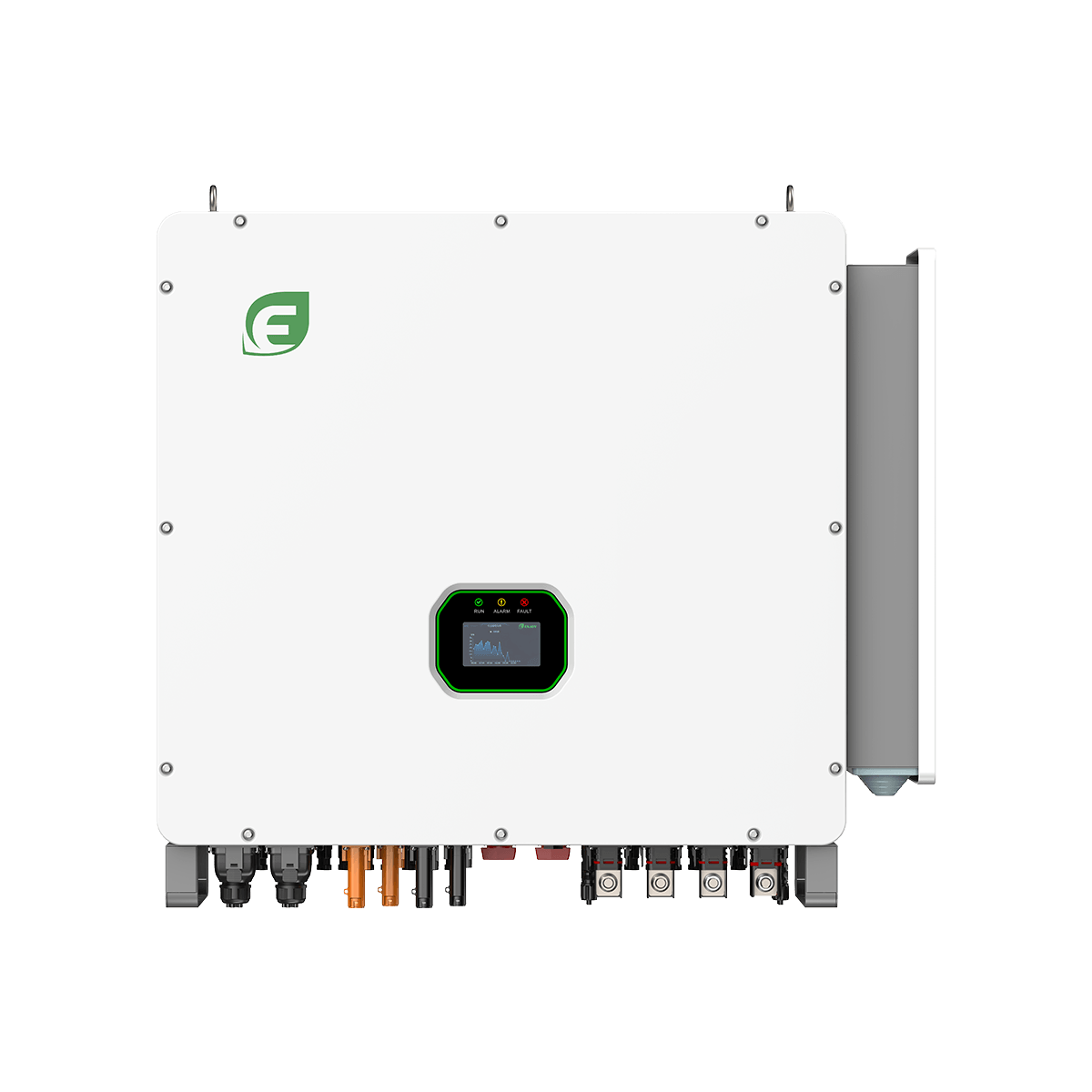
Hybrid inverter parallel operation provides a way to increase system capacity while keeping the architecture flexible. Instead of replacing an entire system when energy demand grows, additional inverter units can be integrated to expand power capability.
We at Enjoypowers design hybrid inverter solutions with scalability in mind, allowing commercial and industrial users to adapt their energy systems according to changing operational requirements.
Why One Hybrid Inverter May Not Be Enough for Larger Energy Systems
Energy requirements in commercial and industrial facilities can change significantly over time. A facility may begin with a moderate electricity demand but later add production equipment, charging infrastructure, or additional renewable generation capacity.
A single inverter has a fixed power output limit. Once the required load exceeds that capability, increasing battery capacity alone cannot solve the problem because the inverter still determines how much power can flow between the battery, photovoltaic system, and electrical loads.
Parallel operation addresses this limitation by combining multiple hybrid inverter units into one coordinated system. Each unit contributes part of the total power output, allowing the overall installation to handle larger loads.
For example, a commercial building may initially install several inverter units based on current demand and later add more units as energy requirements increase. This modular approach reduces the need for a complete system redesign.
A DC-coupled hybrid inverter can be especially useful in systems where photovoltaic generation and battery storage share a coordinated DC-side architecture. This configuration allows energy from solar generation and batteries to be managed more efficiently before reaching the AC system.
The decision to use parallel operation should come from the project’s power requirements rather than simply increasing equipment quantity. The goal is creating a system architecture that matches current needs while allowing future expansion.
How Multiple Hybrid Inverters Share Power in Parallel Operation
Parallel operation requires more than connecting multiple inverter outputs together. The units must communicate and coordinate their behavior to avoid unstable operation.
In a properly configured parallel system, each inverter works as part of a larger control group. The units synchronize their operating conditions and coordinate power output to meet the combined load demand.
Communication between units is a key element. Without coordinated control, different inverters could attempt to respond independently, creating uneven power distribution or system instability.
Many hybrid inverter systems use a master-and-slave control structure. One unit manages overall coordination while other units follow shared operating instructions. This arrangement helps maintain consistent charging, discharging, and load-sharing behavior.
Parallel systems also require careful synchronization of electrical parameters. Voltage, frequency, and phase alignment must remain coordinated to ensure reliable operation.
For commercial and industrial installations, this coordination becomes increasingly important because connected loads are often larger and more sensitive than residential applications.
An IP66 hybrid inverter designed for outdoor installation can provide additional flexibility for distributed energy projects where equipment placement and environmental conditions are important factors. Enjoypowers’ hybrid inverter solutions include outdoor-rated designs for commercial applications requiring integrated PV, battery, and grid management functions.
What Engineers Must Check Before Expanding With Parallel Units
Adding more inverter units does not automatically guarantee better performance. Engineers must verify that the selected equipment and system design support parallel operation.
The first consideration is whether all inverter units are designed to operate together. Different models may have different control methods, communication systems, and operating limitations.
Battery configuration is another important factor. The battery system must support the combined charging and discharging requirements created by multiple inverter units.
System wiring also requires careful planning. Parallel configurations increase the complexity of AC connections, communication lines, and protection arrangements. Incorrect installation can affect load sharing and system reliability.
Control strategy should also match the application. A facility using storage for peak demand management may require different operating behavior compared with a site focused on backup power or renewable energy utilization.
Scalability planning should happen before installation. Engineers should consider whether additional inverter units may be required in the future and whether the original design can accommodate expansion.
We at Enjoypowers evaluate these factors during system planning because successful parallel operation depends on the interaction between hardware, communication, and energy management strategies.
Building a Scalable Hybrid Inverter Architecture for Future Growth
Parallel hybrid inverter systems provide a practical path for facilities that need expandable energy capacity. Instead of selecting an oversized system at the beginning, businesses can create a modular architecture that grows with their electricity requirements.
This approach is particularly valuable for commercial and industrial users with uncertain future demand. Expansion can be achieved by adding compatible inverter units rather than replacing the complete energy system.
However, scalability depends on selecting the right foundation. The initial inverter design, communication structure, battery arrangement, and energy management strategy must all support future growth.
A well-designed parallel system can improve flexibility while maintaining reliable operation. It allows businesses to respond to changing energy requirements without making major infrastructure changes.
Hybrid inverter parallel operation is therefore not only a method for increasing capacity. It is a system design strategy that balances current performance with future adaptability.
At Enjoypowers, we focus on the overall system architecture to help ensure individual inverter units work together effectively within a scalable energy solution.
Commercial and industrial facilities can use hybrid inverters to expand power capacity gradually as their energy requirements increase. Proper parallel system design helps achieve greater flexibility, easier expansion, and more stable long-term operation.