
In industrial energy storage systems, selecting the correct Power Conversion System (PCS) is essential for achieving reliable performance and efficient energy management. The PCS determines how much power can be exchanged between the battery system and the electrical network, making its power rating a key factor in system design.
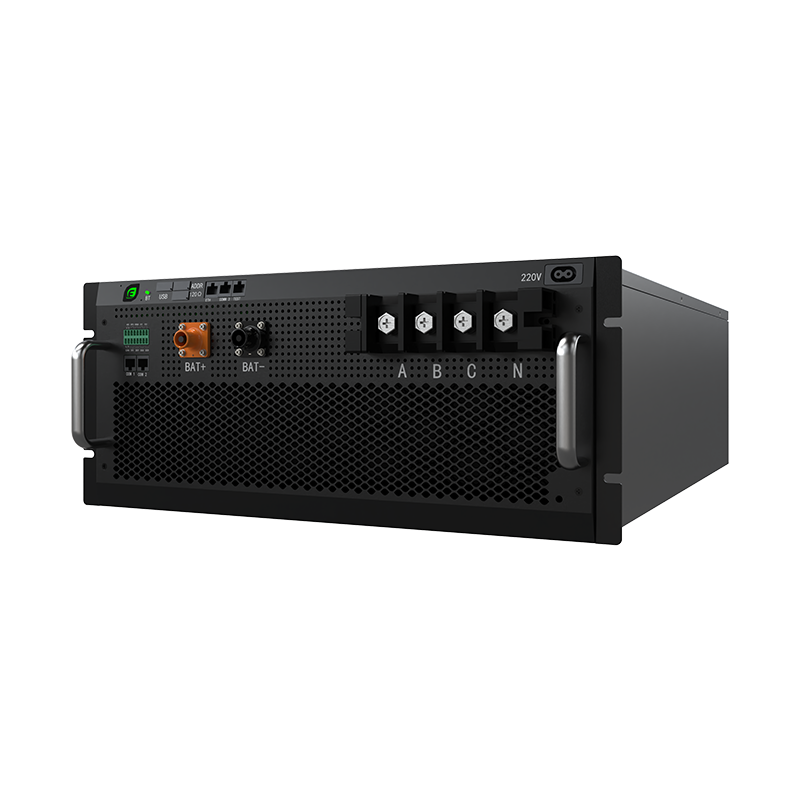
However, choosing a PCS should not be based only on battery capacity or maximum available output. The actual facility load profile, including peak demand, operating hours, and power fluctuation patterns, should guide the selection process.
We consider load analysis one of the most important steps when designing an energy storage system. A properly matched PCS can support peak shaving, backup power, and energy optimization while avoiding unnecessary investment caused by incorrect sizing.
Understanding Facility Load Profile Before Selecting an Industrial PCS
A facility load profile represents how electrical demand changes over time. Industrial sites rarely consume power at a constant level because production schedules, equipment operation, and process requirements continuously affect electricity usage.
Before selecting an industrial PCS, engineers should analyze several load characteristics, including:
Average power consumption during normal operation
Maximum demand during peak production periods
Duration of high-power operation
Frequency of load changes
Critical equipment requiring continuous power support
For example, a manufacturing facility may experience short periods of high electricity demand when multiple machines operate simultaneously. In this case, the PCS must provide sufficient power output during these periods rather than only matching the average load.
Understanding these patterns helps companies select a PCS that meets actual operational requirements.
Matching PCS Power Rating with Energy Storage Applications
The PCS power rating determines how much electrical power the storage system can charge or discharge at a specific moment. Therefore, it should be matched with the facility’s power requirements rather than simply the total battery energy capacity.
For peak shaving applications, the PCS should be sized according to the amount of demand reduction required during peak electricity periods. A higher battery capacity does not always require a higher PCS rating if the facility only needs gradual energy discharge.
For backup power applications, the PCS selection should focus on the power requirements of critical loads. The system must be capable of supporting important equipment while maintaining stable operation during grid interruptions.
The relationship between battery capacity and PCS power is also important. The battery determines how long energy can be supplied, while the PCS determines how much power can be delivered at one time.
How Load Changes Influence PCS Configuration
Industrial facilities often experience rapidly changing electrical demand. Equipment startup, production cycles, and seasonal operation can create significant variations in power consumption.
A fixed-capacity PCS may not always provide the flexibility required for these environments. When the system is expected to handle changing loads, a more adaptable configuration can improve performance.
A modular PCS design allows multiple PCS units to work together and provides greater flexibility when system requirements change. Instead of replacing the complete conversion system when demand increases, businesses can expand capacity by adding additional modules.
This approach is particularly useful for industrial facilities planning future production expansion. It allows the energy storage system to grow together with changing electricity requirements.
Selecting PCS for Peak Shaving and Demand Management
Peak shaving is one of the most common industrial energy storage applications. The objective is to reduce grid power demand during high-consumption periods by using stored energy.
When selecting a PCS for peak shaving, companies should evaluate:
Peak demand level
Required power reduction
Peak duration
Daily operating schedule
Battery discharge strategy
An oversized PCS may increase project costs without providing additional value, while an undersized system may fail to achieve the expected demand reduction.
Accurate load profile analysis helps determine the appropriate PCS power rating. By understanding when and how much energy is required, companies can create a more balanced system design.
Off-Grid PCS Selection for Independent Power Operation
Some industrial facilities require energy storage systems that can operate independently from the utility grid. In these applications, an off-grid PCS must provide stable power output and support the operation of connected loads.
Compared with grid-connected systems, off-grid applications require stronger control capabilities because the PCS needs to help maintain voltage and frequency stability.
The power rating of an off-grid PCS should be determined by the characteristics of connected equipment. Facilities with motors, compressors, or other high-startup-current equipment may require additional capacity to handle temporary power demand.
When designing an off-grid energy storage system, engineers should consider both continuous load requirements and short-term power fluctuations. Proper sizing helps ensure reliable operation during grid outages or isolated operation.
Key Factors When Choosing an Industrial PCS
Power rating is an important factor, but it should be evaluated together with other system requirements.
Efficiency affects overall energy losses during charging and discharging cycles. Higher conversion efficiency can improve long-term system performance, especially for applications with frequent energy exchange.
Control compatibility is also important. The PCS should work effectively with battery management systems and energy management systems to coordinate power flow, protection, and operating strategies.
Environmental conditions, installation space, maintenance requirements, and future expansion plans should also be considered during system design.
An energy storage PCS should not only meet current demand but also provide sufficient flexibility for future operational changes.
Conclusion: Designing PCS Systems Around Real Facility Demand
Selecting an industrial PCS requires more than choosing a power rating based on battery size. The most suitable configuration depends on the facility load profile, application objectives, and future energy requirements.
By analyzing demand patterns, matching PCS capacity with actual power needs, and considering flexible solutions such as modular PCS designs, businesses can improve system efficiency and reliability.
For applications requiring independent operation, an off-grid PCS can provide additional flexibility by supporting stable power supply under changing conditions.
Enjoypowers focuses on developing energy storage PCS solutions that help industrial users optimize energy management and build scalable storage systems. With proper PCS sizing and load analysis, companies can achieve better performance while preparing for future energy challenges.