
As commercial and industrial facilities increase their demand for flexible energy management, energy storage systems are becoming an important solution for improving energy efficiency, supporting renewable integration, and optimizing electricity usage. However, businesses often need storage systems that can adapt to different project sizes and changing operational requirements.
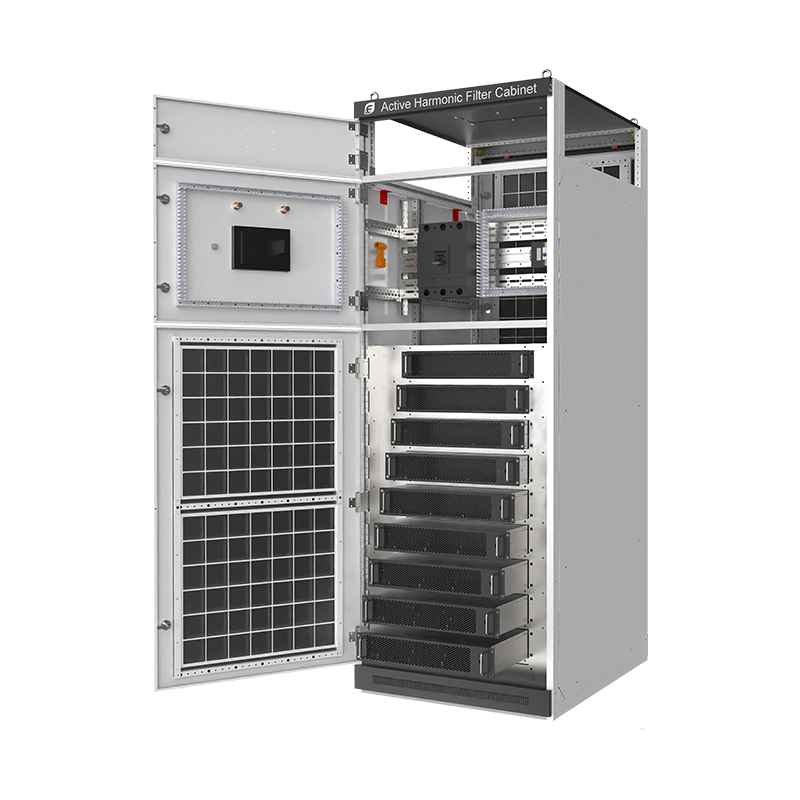
A modular energy storage cabinet provides a practical approach by integrating multiple functional components into a standardized structure. Instead of relying on a fixed-capacity system, modular designs allow users to expand capacity, simplify installation, and improve system management.
We understand that customers are not only interested in how much energy a system can store but also what is inside the cabinet and how each component contributes to reliable operation. Understanding the internal structure helps businesses make better decisions when selecting an energy storage solution.
What Is Inside a Modular Energy Storage Cabinet?
A modular energy storage cabinet is a complete system that combines battery units, power conversion equipment, control systems, protection devices, and thermal management components. Each part plays a specific role in ensuring safe and efficient energy operation.
The battery module is the core energy storage component. It stores electrical energy and releases it when required. Depending on the application requirements, multiple battery modules can be combined to achieve different energy capacities.
The Battery Management System (BMS) monitors battery conditions, including voltage, temperature, and state of charge. It helps maintain battery safety and supports balanced operation between individual battery cells.
The energy storage PCS is another critical component inside the cabinet. It manages the conversion between AC and DC power, allowing stored energy to flow between batteries and the electrical grid. Unlike simple conversion devices, PCS systems are designed specifically for energy storage applications and must handle charging, discharging, and bidirectional power flow.
Energy Storage PCS: The Key Link Between Batteries and the Grid
Many customers ask, “What is the difference between a PCS and an inverter?” The main difference is their application purpose and operating capability.
An inverter primarily converts DC power from sources such as solar panels or batteries into AC power for use by electrical equipment. Its main function is power conversion from one direction.
A PCS, however, is designed for energy storage applications and usually supports bidirectional energy conversion. It can convert AC power into DC power during charging and convert DC power back into AC power during discharge. This capability allows the storage system to interact intelligently with the grid.
The energy storage PCS also works with battery management and energy management systems to control charging strategies, discharge schedules, and power responses. This makes it a central control element in commercial and industrial energy storage applications.
When selecting a PCS, companies should consider factors such as power rating, efficiency, grid compatibility, response speed, and system integration requirements. The correct choice can significantly influence the overall performance of an energy storage system.
Why Modularity Matters in Energy Storage Applications
Modularity is becoming increasingly important because energy requirements vary significantly between different businesses and industries. A small commercial facility and a large manufacturing plant may have completely different storage needs.
A modular cabinet allows users to increase capacity by adding additional units instead of replacing the entire system. This provides greater flexibility when energy demand changes over time.
Another advantage is simplified installation and maintenance. Standardized modules make transportation easier and allow technicians to replace or service individual components without affecting the entire system.
Modular designs can also improve system reliability. If one module requires maintenance, other modules may continue operating depending on the system configuration. This approach helps reduce downtime and supports continuous energy management.
How Modular Energy Storage Supports Commercial and Industrial Users
Commercial and industrial users often face challenges such as peak electricity demand, changing load profiles, and the need for backup power support. A modular energy storage cabinet provides a flexible way to address these challenges.
For facilities with high electricity consumption during peak periods, energy storage can charge during lower-cost periods and provide stored energy when demand increases. This helps businesses manage energy usage more efficiently.
Energy storage systems can also support renewable energy integration. When solar or other renewable sources produce variable output, storage can help balance supply and demand by storing excess energy and releasing it when needed.
The combination of modular design and advanced control technology allows businesses to build systems that match their current requirements while keeping the option for future expansion.
Key Factors When Choosing a Modular Energy Storage Cabinet
Selecting the right storage cabinet requires evaluation of several technical and operational factors. Battery capacity is important, but it is only one part of the overall system design.
Businesses should also examine the performance of the energy storage PCS, because it directly affects how efficiently energy moves between the battery and the electrical system. A suitable PCS should match the application’s power requirements and support stable operation.
Thermal management is another important consideration. Battery performance and lifespan can be affected by temperature conditions, so effective cooling and monitoring systems are necessary for reliable operation.
System safety features, communication capabilities, and compatibility with existing energy management platforms should also be evaluated before installation.
Enjoypowers focuses on providing energy storage solutions that combine practical system design with reliable power conversion technology. By considering battery systems, PCS performance, and application requirements together, customers can achieve more effective energy management.
The Future of Modular Energy Storage Systems
As businesses continue to seek greater control over energy consumption, modular storage solutions are expected to become more widely adopted. Their flexible configuration, easier maintenance, and scalable design make them suitable for various commercial and industrial applications.
Future energy systems will require more intelligent control, faster response capabilities, and better integration with renewable energy sources. The development of advanced energy storage PCS technology will continue to play an important role in improving system performance.
Understanding the Value of Modular Energy Storage Design
A modular energy storage cabinet is more than a battery container. It is an integrated system that combines battery modules, control technology, protection equipment, and an energy storage PCS to support efficient energy management.
Understanding the difference between a PCS and an inverter helps businesses choose the right technology for their energy storage projects. While both perform power conversion, PCS systems are specifically designed to manage bidirectional energy flow in storage applications.
With modular architecture and advanced power conversion technology, energy storage systems can provide greater flexibility, reliability, and scalability. Enjoypowers continues to develop solutions that help businesses optimize energy use and adapt to the changing demands of modern power systems.