
As renewable energy adoption continues to grow, inverters have become an essential component in modern power systems. They convert the direct current (DC) electricity generated by solar panels or stored in batteries into alternating current (AC) electricity that can be used by electrical equipment.
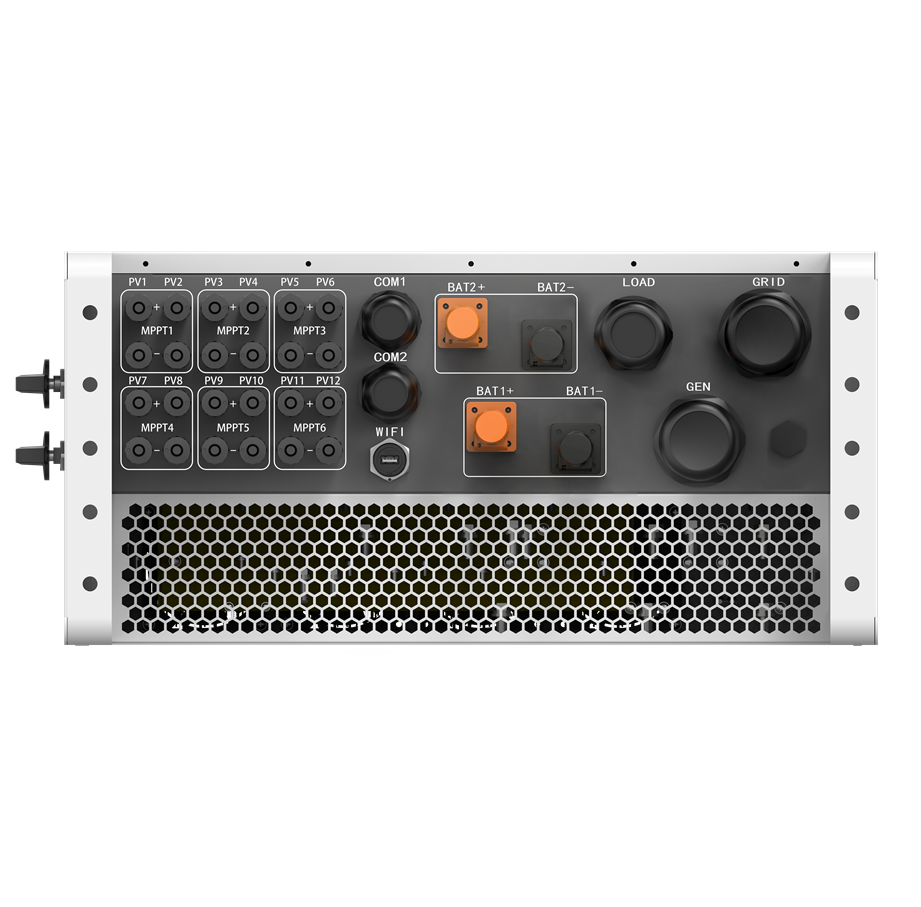
While traditional inverters have been widely used for grid-connected solar systems, hybrid inverters are becoming increasingly popular because they can manage multiple energy sources, including solar generation, batteries, and the utility grid.
Many businesses and energy users want to understand the difference between a normal inverter and a hybrid inverter before selecting an energy solution. The main differences involve energy management capability, battery integration, system flexibility, and application scenarios.
What Is a Normal Inverter?
A normal inverter, often called a traditional solar inverter, is mainly designed to convert electricity from solar panels into usable AC power. In a typical grid-connected system, solar energy is sent directly to the building or exported to the electrical grid when generation exceeds consumption.
The main function of a conventional inverter is energy conversion. It ensures that electricity generated by photovoltaic systems meets grid requirements, including voltage, frequency, and safety standards.
However, a normal inverter usually has limited energy management functions. In most cases, it cannot directly connect with battery storage systems without additional equipment such as separate battery converters or energy management devices.
This type of inverter is suitable for applications where the primary goal is to maximize solar energy utilization and reduce electricity consumption from the grid. For facilities with stable energy demand and no requirement for backup power, a traditional inverter may be an effective choice.
What Makes a Hybrid Inverter Different?
A hybrid inverter combines the functions of a traditional inverter and a battery energy management system. It can manage electricity from solar panels, battery storage, and the grid within a single integrated system.
Unlike a normal inverter, a hybrid inverter can store excess solar energy in batteries instead of sending all unused electricity back to the grid. The stored energy can then be used during periods of high electricity prices, nighttime operation, or grid outages.
A major advantage of hybrid systems is improved energy flexibility. Users can decide when to charge or discharge batteries based on electricity costs, renewable energy availability, and operational requirements.
For commercial and industrial applications, a grid-tied hybrid inverter can help optimize energy usage by coordinating solar generation, battery storage, and grid power. This makes it suitable for businesses looking to improve energy efficiency and increase control over electricity consumption.
Key Differences Between Normal and Hybrid Inverters
The biggest difference between the two inverter types is energy management capability.
A normal inverter mainly performs DC-to-AC conversion. It is designed to send solar power directly into the electrical system but usually does not control battery charging and discharging.
A hybrid inverter provides more advanced energy management. It can decide whether solar energy should be used immediately, stored in batteries, or exchanged with the grid. This allows users to optimize energy consumption based on real-time conditions.
Another difference is system configuration. Traditional inverter systems often require separate battery inverters if energy storage is added later. This may increase system complexity and require additional installation space.
Hybrid inverter systems integrate multiple functions into one device, simplifying system design. This integrated approach can reduce equipment coordination challenges and provide a more streamlined energy management solution.
At Enjoypowers, we focus on advanced energy conversion technologies that support flexible energy applications. Our hybrid inverter solutions are designed to help users integrate renewable generation and energy storage more effectively.
DC-Coupled and AC-Coupled Hybrid Systems
When discussing hybrid inverters, system architecture is another important consideration. One common approach is the DC-coupled hybrid inverter system.
In a DC-coupled configuration, solar panels and batteries are connected on the DC side before power conversion occurs. This allows solar energy to be stored directly without multiple conversion processes, which can improve system efficiency in certain applications.
DC-coupled systems are often suitable for new solar-plus-storage projects because the inverter, battery, and photovoltaic system can be designed together from the beginning. This approach can simplify energy flow management and reduce unnecessary conversions.
In comparison, AC-coupled systems connect batteries through a separate inverter on the AC side. This configuration can be useful when adding battery storage to an existing solar installation because it allows energy storage to be integrated without replacing the original solar inverter.
The best choice depends on project requirements, including existing infrastructure, expansion plans, energy goals, and installation conditions.
How to Choose Between a Normal Inverter and a Hybrid Inverter
Selecting the right inverter depends on the purpose of the energy system. For users who only need solar power conversion and do not require battery storage, a normal inverter may provide a simple and practical solution.
However, for businesses that want greater energy independence, backup capability, or better control over electricity costs, a hybrid inverter offers more flexibility.
Commercial and industrial users should consider several factors before making a decision, including daily electricity consumption patterns, renewable energy availability, battery requirements, and future expansion possibilities.
A hybrid inverter may be a better long-term investment for facilities planning to add energy storage because it provides a foundation for integrating batteries and intelligent energy management functions.
Technical support is also important when selecting an inverter supplier. Proper system design requires understanding load characteristics, grid requirements, and energy management objectives.
Enjoypowers provides energy conversion solutions that support different industrial energy applications. By combining inverter technology with practical engineering considerations, we help customers develop more efficient and flexible energy systems.
Conclusion
The difference between a normal inverter and a hybrid inverter lies mainly in their ability to manage energy sources. A traditional inverter focuses on converting solar power into usable electricity, while a hybrid inverter can coordinate solar generation, battery storage, and grid interaction.
For users who only need basic solar conversion, a normal inverter may meet their requirements. For applications that require energy storage, backup power, or advanced energy management, a hybrid inverter provides greater flexibility.
A grid-tied hybrid inverter can support smarter energy management by connecting renewable generation, batteries, and the electrical grid. Meanwhile, a DC-coupled hybrid inverter offers an efficient architecture for integrating solar and storage systems.
As energy systems become more intelligent and decentralized, choosing the right inverter technology is increasingly important. A properly designed solution can improve energy efficiency, increase system reliability, and support future energy needs.