
Purchasing an off-grid PCS is not simply a matter of choosing a device with the required power rating. Commercial and industrial facilities depend on these systems to maintain stable energy conversion and reliable power supply when grid support is unavailable.
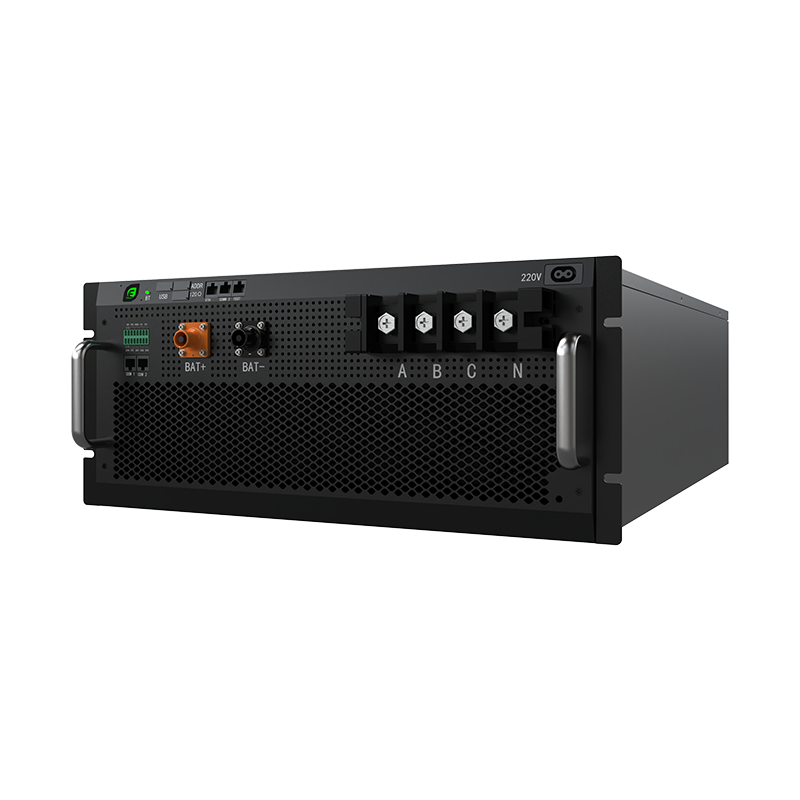
A factory, warehouse, or commercial facility may require off-grid operation for different reasons. Some projects need backup capability during grid interruptions, while others operate in remote areas where utility access is limited. The expected operating condition directly influences which PCS functions are required.
Before investing in a power conversion system, project owners need to understand how the equipment fits into the complete energy architecture. We evaluate PCS selection based on application requirements, system configuration, and long-term operational goals.
Buying an Off-Grid PCS Starts With Defining the Power Scenario
The first question before selecting an off-grid PCS is not “how much power does the facility use?” but “how will the system operate when the grid is unavailable?”
Off-grid operation changes the role of the PCS. In a grid-connected system, the utility network helps maintain voltage and frequency stability. Without grid support, the PCS typically needs to play a more active role in maintaining the electrical conditions required by connected loads.
A commercial facility with critical loads may need the storage system to provide continuous power during outages. A remote industrial site may require the PCS to coordinate energy from batteries, renewable generation, and local loads without relying on the utility network.
Understanding the operating scenario helps determine the required control functions, response behavior, and system architecture.
Many buyers exploring c&i energy storage solutions—what does C&I mean in energy?—begin with battery capacity or energy demand calculations. However, the PCS plays an equally important role because it manages the connection between stored energy and the facility’s electrical system.
Check How the PCS Handles Standalone Operation
An off-grid PCS must do more than convert energy between AC and DC. It needs to manage power flow while maintaining stable output conditions for connected loads.
One important area to examine is how the PCS controls voltage and frequency during standalone operation. Without the grid acting as a reference point, a grid-forming PCS can provide the voltage and frequency reference needed for standalone operation.
Another factor is load response. Industrial facilities often include equipment with different operating characteristics, including motors, automation systems, and electronic loads. The PCS must respond appropriately when demand changes.
Battery coordination is also essential. Energy storage systems rely on communication between the battery management system, PCS, and energy management controls. Proper coordination helps align charging and discharging with system requirements.
At Enjoypowers, we design PCS solutions with attention to the interaction between conversion equipment, storage units, and facility loads. A reliable off-grid system requires all components to operate as one coordinated platform.
Match PCS Characteristics With Your C&I Energy Storage Design
Every commercial and industrial project has different energy requirements. A PCS selected for one application may not be suitable for another because system priorities can vary significantly.
Some facilities prioritize backup power availability. Others focus on integrating renewable generation or reducing dependence on conventional energy sources.
The relationship between PCS capacity and battery configuration should also be carefully considered. Oversizing or undersizing the conversion system can affect system efficiency, investment planning, and future expansion possibilities.
Integration capability is another important factor. Modern storage projects may include photovoltaic systems, energy management platforms, generators, or multiple battery cabinets. The PCS should support communication and coordination within the overall system design.
A modular energy approach can provide additional flexibility for growing facilities. Instead of designing only for current demand, project developers can consider how the storage system may expand as energy requirements change.
Avoid Choosing PCS Based Only on Rated Power
Rated power is one of the most visible specifications when comparing PCS products, but it does not provide a complete picture of suitability.
A facility may require a PCS that can handle temporary load changes, support specific operating modes, or coordinate with other energy resources. Two systems with similar power ratings may perform differently depending on their control strategy and application design.
Environmental conditions should also be considered. Industrial sites may face temperature variations, dust, limited space, or demanding operating schedules. The PCS must be appropriate for the actual installation environment.
System maintenance and future service requirements are also part of the purchasing decision. Energy storage systems are long-term investments, and equipment selection should consider operational continuity throughout the project lifecycle.
For this reason, purchasing decisions should focus on complete system requirements rather than comparing individual specifications in isolation.
Building a Reliable Off-Grid Energy Architecture
An off-grid PCS serves as the control center between stored energy and the facility’s electrical demand. The right selection depends on how the system will operate, what loads must be supported, and how the energy architecture may develop over time.
We work with commercial and industrial customers to develop storage solutions that align PCS technology with real operating conditions. Enjoypowers focuses on creating conversion systems that support stable energy management, flexible integration, and reliable power control.
A successful off-grid project requires more than installing batteries and a converter. The PCS must match the facility’s energy strategy and provide the control capability needed for independent operation.
For companies evaluating off-grid storage investments, the most valuable step is understanding the complete power requirement before making a purchase decision. Enjoypowers supports customers in building c&i energy storage systems that connect energy resources, conversion technology, and operational needs into a coordinated solution.