
As energy storage systems become more common in commercial, industrial, and renewable energy applications, many users encounter two similar terms: Power Conversion System (PCS) and inverter. Although both technologies convert electricity between direct current (DC) and alternating current (AC), they are designed for different purposes.
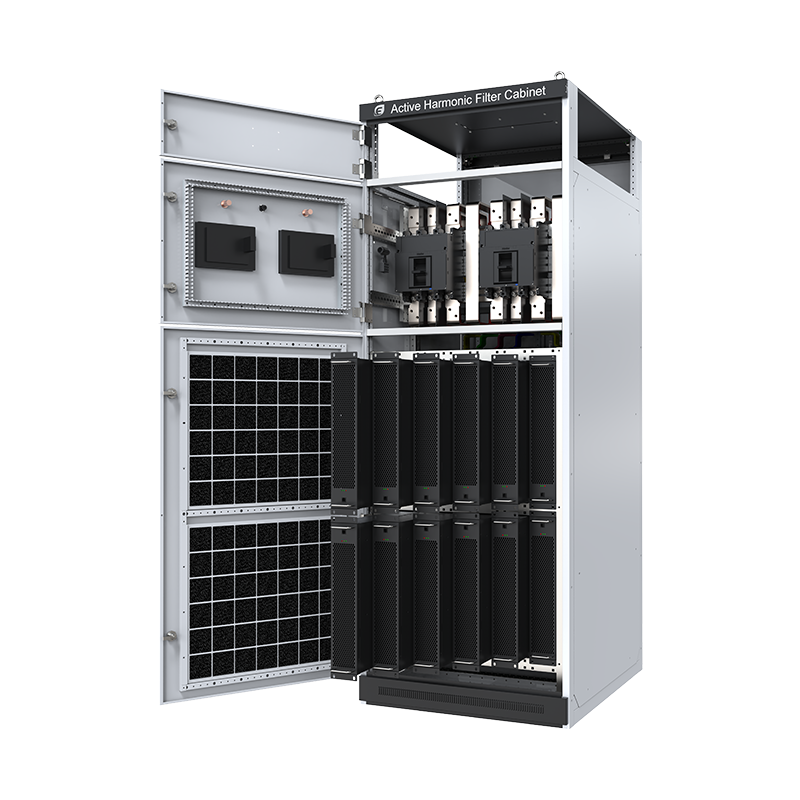
Understanding the difference between a PCS and an inverter is important when selecting equipment for battery energy storage projects. The right choice depends on whether the system only needs power conversion or requires advanced functions such as bidirectional energy management, grid support, and backup operation.
In modern energy storage architectures, the PCS plays a central role because batteries cannot directly supply power to most electrical loads. It manages energy conversion, controls charging and discharging, and helps coordinate the interaction between storage systems and the electrical grid.
What Is a PCS in Battery Energy Storage Systems?
A Power Conversion System (PCS) is a device that controls the flow of electrical energy between a battery and an AC power system. It converts DC power from batteries into AC power for loads or the grid, and it can also convert AC power back into DC power when charging the battery.
The key feature of a PCS is bidirectional operation. Unlike a traditional inverter that mainly performs DC-to-AC conversion, a PCS supports both charging and discharging processes.
This capability makes PCS technology essential for battery energy storage systems. During periods of low electricity demand, the PCS can manage battery charging. When electricity demand increases, it controls battery discharge to provide additional power support.
In large-scale energy storage applications, the PCS also works with battery management systems (BMS) and energy management systems (EMS) to maintain safe, efficient, and coordinated operation.
What Does an Inverter Do?
An inverter is primarily used to convert DC electricity into AC electricity. It is commonly found in solar power systems, where it transforms electricity generated by photovoltaic panels into power that can be used by buildings or supplied to the grid.
Traditional inverters are generally designed for one-way energy conversion. Their main function is to ensure that DC electricity from a generation source can be connected to an AC electrical system.
In solar applications, inverters play an important role in improving energy utilization and maintaining stable power output. However, when batteries are added to a system, more advanced control capabilities are usually required.
For example, a battery storage project may need frequent charging and discharging cycles, dynamic power control, and coordination with grid conditions. These requirements go beyond the basic functions of a conventional inverter.
Main Differences Between PCS and Inverter
The biggest difference between PCS and inverter is their operating purpose. An inverter mainly focuses on converting electricity from DC to AC, while a PCS manages the complete energy exchange process between batteries, electrical loads, and the grid.
Another important difference is energy direction. A standard inverter usually operates in a single direction, converting generated DC electricity into AC output. A PCS supports two-way power flow, allowing energy to move between the battery and the electrical system.
Control functions are also different. A PCS typically includes more advanced features for energy storage applications, including power regulation, charging control, protection functions, and grid interaction management.
For projects requiring stronger grid control capabilities, a grid-forming PCS can provide additional support by helping establish voltage and frequency stability. This function is especially valuable in microgrids, renewable energy systems, and applications that require greater energy independence.
Why PCS Is Important for Energy Storage Applications
Battery energy storage systems have different requirements from traditional solar installations. Batteries store electricity as DC power, but most commercial and industrial equipment uses AC power. The PCS provides the connection between these two electrical environments.
Without a suitable PCS, stored energy cannot be effectively delivered to electrical loads or integrated with the grid. The PCS controls how much power flows, when energy is stored, and when stored energy is released.
For commercial facilities, this allows energy storage systems to support multiple applications, including peak demand management, renewable energy optimization, and emergency power supply.
In off-grid applications, an off-grid PCS provides another level of flexibility by enabling battery systems to operate independently from the utility network. This is useful for remote facilities, isolated power systems, and backup energy projects where stable electricity availability is required.
Choosing Between a PCS and an Inverter
The choice between a PCS and an inverter depends on the system design and operational goals. If the project only requires solar power conversion, a conventional inverter may be sufficient.
However, if the system includes battery storage and requires flexible energy control, a PCS is generally more suitable. Factors such as battery capacity, power requirements, grid connection conditions, and future expansion plans should all be considered.
System designers should also evaluate efficiency, response speed, protection features, and compatibility with other energy management components.
At Enjoypowers, energy storage applications are designed around the specific requirements of each electrical system, ensuring that power conversion equipment matches operational needs rather than using a one-size-fits-all approach.
The Future Role of Advanced PCS Technology
As renewable energy and energy storage systems continue to develop, PCS technology is becoming increasingly important. Future energy networks require equipment that can not only convert electricity but also actively manage energy flow.
Advanced PCS solutions can support functions such as grid stabilization, renewable energy integration, and flexible operation under changing power conditions.
A grid-forming PCS is one example of how energy storage systems are evolving. By providing stronger control over voltage and frequency, it can support more stable operation in systems with high renewable energy penetration.
Meanwhile, off-grid PCS technology continues to expand applications where reliable power supply is needed without depending completely on traditional utility infrastructure.
Conclusion
PCS and inverters both perform power conversion, but they serve different roles in energy systems. An inverter is mainly designed for converting DC electricity into AC electricity, while a PCS provides bidirectional control and energy management functions required by battery storage systems.
For commercial and industrial energy storage projects, selecting the right technology depends on system objectives, power requirements, and future operational needs.
As energy systems become more flexible and decentralized, the role of advanced power conversion technology will continue to grow. Understanding the differences between PCS and inverters helps businesses make better decisions when planning reliable and efficient energy storage solutions. Enjoypowers continues to support the development of practical energy storage technologies that meet changing industrial requirements.