
Power factor correction is an essential part of electrical system optimization for industrial facilities, power generation plants, and large commercial applications. As electrical loads become more complex, maintaining stable power quality is becoming increasingly important for improving energy efficiency and reducing unnecessary electrical losses.
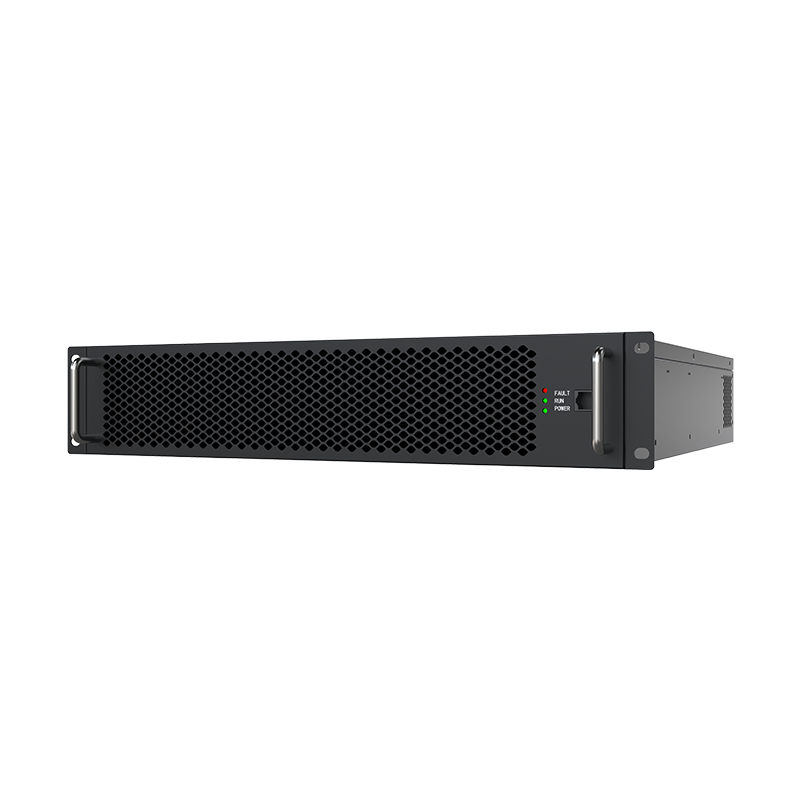
Traditional capacitor banks have been widely used for reactive power compensation because of their simple structure and reliable operation. However, modern facilities now face more dynamic electrical conditions caused by power electronics, renewable energy integration, and variable loads.
At Enjoypowers, we help customers evaluate different power quality technologies based on actual operating conditions. By understanding the differences between traditional capacitor banks and active solutions, businesses can select more suitable equipment for improving system performance.
Capacitor Banks: A Traditional Approach for Power Factor Correction
Capacitor banks are one of the most common methods used for power factor correction. They improve power factor by supplying reactive power to compensate for inductive loads such as motors, transformers, and generators.
In electrical systems with many inductive devices, current and voltage become out of phase. This increases the amount of current required to deliver the same amount of useful power. Capacitor banks reduce this phase difference and help electrical systems operate more efficiently.
For facilities with stable and predictable loads, capacitor banks can provide an effective solution. They are relatively simple to install, easy to maintain, and suitable for applications where reactive power demand does not change significantly.
However, traditional capacitor banks have limitations. Their compensation capacity is usually adjusted through switching steps, which means their response speed may not match systems with rapidly changing loads.
In modern industrial environments, electrical demand can change frequently due to automation equipment, variable frequency drives, charging systems, and other power electronic devices. These conditions require more flexible power management solutions.
Limitations of Capacitor Banks in Complex Electrical Systems
Although capacitor banks remain useful, they may not solve all power quality challenges in advanced electrical networks. One major limitation is that they mainly address reactive power compensation and cannot directly manage issues such as harmonic distortion.
Many modern electrical devices use switching technology, which creates nonlinear current patterns. These nonlinear loads can introduce harmonics into the power system, affecting transformers, cables, and sensitive equipment.
For facilities looking for power quality products for the power generation industry, it is important to consider more than just power factor. Harmonic levels, load variation, equipment sensitivity, and future expansion requirements should also be evaluated before choosing a solution.
Another challenge is response speed. Capacitor banks typically switch compensation stages according to load conditions, while active technologies can adjust output continuously in real time. This difference becomes important in applications where electrical loads change frequently.
Active Power Quality Solutions for Dynamic Electrical Environments
Active power quality solutions use advanced power electronics to monitor electrical conditions and provide dynamic compensation. Unlike traditional capacitor banks, active systems can respond quickly to changes in voltage, current, and reactive power requirements.
At Enjoypowers, we develop active power quality solutions that help industrial users improve electrical stability and operating efficiency. These technologies are designed for applications where traditional compensation methods may not provide enough flexibility.
Static Var Generator (SVG) technology is one example of an active solution. It can provide fast reactive power compensation by continuously adjusting output according to real-time system conditions. This makes it suitable for facilities with fluctuating loads and strict power quality requirements.
Active solutions can also support multiple functions within one system. Depending on the application, they can help manage reactive power, improve power factor, reduce harmonic problems, and maintain a more stable electrical environment.
For industries with complex electrical networks, active solutions provide greater adaptability compared with fixed compensation methods.
Understanding the Difference Between AHF and PHF
A common question when selecting harmonic management equipment is: What is the difference between AHF and PHF?
AHF refers to Active Harmonic Filter technology, which uses power electronics to detect harmonic currents and generate compensation currents to reduce waveform distortion. Because it operates dynamically, AHF can respond to changing harmonic conditions caused by different loads.
AHF is commonly applied in facilities with nonlinear loads, including manufacturing plants, data centers, and systems containing power converters. It can help improve waveform quality and support more stable equipment operation.
PHF refers to Passive Harmonic Filter technology. Unlike AHF, passive filters use components such as capacitors, inductors, and resistors to filter specific harmonic frequencies. They are often designed for applications where harmonic characteristics are stable and predictable.
The main difference between AHF and PHF is flexibility. Passive solutions are usually optimized for known harmonic conditions, while active solutions can adapt to changing electrical environments.
When a facility has multiple harmonic sources or changing operating conditions, active filtering technology may provide better long-term adaptability.
How to Choose the Right Power Factor Correction Equipment
Selecting suitable power factor correction equipment requires a detailed understanding of the electrical system. There is no single solution that fits every application, because different facilities have different load characteristics and operational requirements.
Before choosing equipment, companies should evaluate several factors, including current power factor levels, harmonic distortion, load changes, equipment sensitivity, and future energy demands.
For systems with stable inductive loads, capacitor banks may provide sufficient compensation. However, facilities with complex power electronics equipment may benefit from active technologies that provide faster response and broader power quality management capabilities.
At Enjoypowers, we recommend analyzing actual site conditions before selecting equipment. A professional assessment helps identify the main causes of electrical problems and ensures that customers invest in solutions that match their requirements.
Future Trends in Power Quality Management
As industries continue adopting renewable energy, automation systems, and advanced electrical equipment, power networks are becoming more dynamic. These changes are increasing the demand for intelligent power quality management technologies.
Future electrical systems will require solutions that can respond quickly to changing conditions while improving efficiency and reliability. Active technologies, intelligent monitoring systems, and integrated energy management platforms will become increasingly important.
Enjoypowers continues to focus on developing advanced power quality solutions that support industrial users in managing modern electrical challenges. By combining engineering expertise with power electronics technology, we help customers create more reliable and efficient energy systems.
Conclusion: Selecting the Right Solution for Better Electrical Performance
Capacitor banks and active power quality solutions both have important roles in power factor correction. Capacitor banks remain a practical option for simple and stable applications, while active technologies provide greater flexibility for complex electrical environments.
The best choice depends on factors such as load characteristics, harmonic conditions, and long-term operational goals. A detailed understanding of the electrical system is essential before selecting the right equipment.
With experience in power quality technologies and industrial energy solutions, Enjoypowers supports customers in improving electrical performance and achieving more stable operations. Through suitable compensation and filtering technologies, businesses can enhance efficiency while building more reliable power systems.