
Industrial facilities rely on stable electrical systems to maintain production efficiency, protect equipment, and reduce unnecessary energy losses. However, modern factories increasingly use motors, variable frequency drives, automation systems, and other power electronic devices that can create electrical challenges. For engineers focused on how to improve power factor in industries, the solution must address not only reactive power compensation but also the dynamic nature of industrial loads, which vary significantly across production cycles.
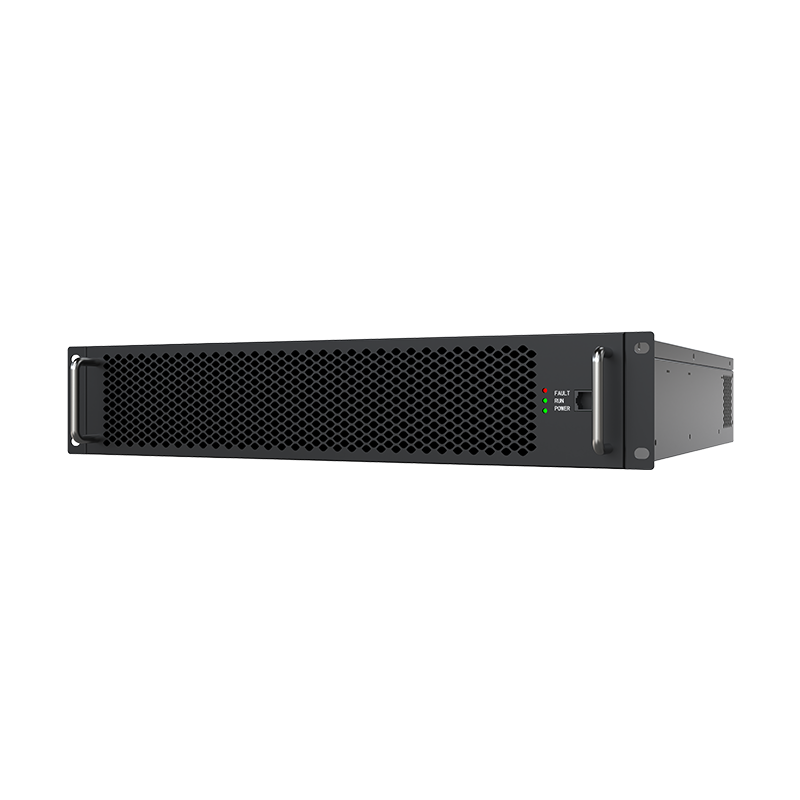
Problems such as low power factor, harmonic distortion, voltage fluctuations, and unbalanced loads may affect equipment performance and increase operating costs. Selecting suitable power quality products allows industrial users to improve electrical efficiency and create a more reliable power environment.
We focus on analyzing real application conditions before recommending solutions because every industrial facility has different load characteristics and operating requirements. A well-designed power management strategy can help companies achieve better system performance while supporting future expansion.
Industrial Power Quality Solution for Modern Manufacturing Needs
Industrial electrical systems are becoming more complex as companies adopt advanced production technologies. Equipment with nonlinear characteristics, including variable frequency drives and power converters, can introduce harmonic currents into the electrical network. At the same time, large inductive loads such as motors and transformers can increase reactive power demand.
An effective industrial power quality solution starts with identifying the main causes of electrical problems. Engineers should evaluate power factor levels, harmonic conditions, load variations, and equipment operating patterns before selecting compensation technologies.
Different industrial applications require different approaches. A manufacturing plant with many motors may focus on reactive power compensation, while a facility with sensitive automation equipment may require stronger harmonic control. Understanding these requirements helps businesses choose the right technology instead of applying general solutions.
How to Improve Power Factor in Industries?
Many companies ask how to improve power factor in industries because low power factor can reduce electrical system efficiency. When inductive equipment operates, it requires reactive power to create magnetic fields for normal operation. Although reactive power does not produce useful output, it increases current flow within the electrical system.
Higher current demand can place additional stress on transformers, cables, and distribution equipment. Therefore, improving power factor is an important part of industrial energy management.
Traditional capacitor banks can provide compensation for relatively stable loads. However, many modern factories experience frequent load changes due to production cycles. In these cases, dynamic compensation technologies such as Static Var Generators (SVG) can provide more flexible performance by adjusting compensation output according to real-time electrical conditions.
When selecting a power factor improvement method, companies should consider load fluctuation, harmonic levels, installation environment, and long-term operating goals. Proper system analysis ensures that the selected equipment matches actual application needs.
Choosing the Right Power Quality Products for Industrial Applications
The selection of power quality products should be based on specific electrical challenges rather than only equipment capacity. Different technologies are designed to solve different problems within industrial systems.
Static Var Generators are commonly used for dynamic reactive power compensation. They can respond quickly to changing loads and help maintain better power factor performance. For facilities with unstable reactive power demand, SVG technology provides a flexible approach compared with fixed compensation methods.
Active Harmonic Filters are designed to address harmonic distortion caused by nonlinear loads. Equipment such as industrial drives, rectifiers, and power conversion systems can affect waveform quality and create additional losses. Active filtering technology helps reduce unwanted harmonic currents and supports cleaner electrical operation.
In some applications, combining reactive power compensation and harmonic control provides a more complete solution. A comprehensive industrial power quality solution can address multiple issues at the same time and improve overall system reliability.
Managing Harmonic Distortion in Industrial Electrical Systems
Harmonic problems have become more common as industries continue adopting digital and automated equipment. Excessive harmonics may contribute to transformer heating, equipment interference, increased losses, and unexpected operational issues.
Before installing correction equipment, companies should perform power quality measurements to understand the source and severity of harmonic problems. Monitoring voltage and current conditions provides valuable information for selecting suitable solutions.
We usually recommend evaluating the complete electrical network rather than focusing on individual machines. In many cases, power quality problems are caused by interactions between multiple loads, system design limitations, or insufficient compensation capability.
Enjoypowers applies this practical engineering approach when supporting industrial customers with power quality improvement projects. By considering actual operating conditions, solutions can be better matched with customer requirements and provide more effective results.
Improving Reliability Through Power Quality Optimization
Electrical reliability is essential for industries where unexpected interruptions can affect production schedules and equipment operation. Voltage fluctuations, phase imbalance, and reactive power problems can influence sensitive systems and reduce overall productivity.
A properly designed compensation system can help stabilize electrical performance by responding to changing operating conditions. For example, SVG technology can support dynamic reactive power adjustment, while harmonic filtering solutions can help maintain better waveform quality.
Industrial companies should also consider future development when planning power quality improvements. Changes in production capacity, new equipment installation, and increasing automation levels may influence future electrical requirements.
Practical Factors When Selecting Power Quality Solutions
Before investing in power quality equipment, companies should collect accurate electrical data and understand their main challenges. Important factors include load characteristics, peak operating periods, harmonic measurements, and existing infrastructure conditions.
Equipment installation should also consider maintenance requirements, available space, and compatibility with current electrical systems. Proper planning helps avoid unnecessary investment and improves the long-term effectiveness of the project.
A successful improvement strategy combines accurate analysis, suitable technology selection, and continuous system monitoring. This approach allows industrial users to achieve better electrical performance while maintaining operational flexibility.
Building More Efficient Industrial Power Systems
Power quality has become a critical factor for modern industrial operations. Low power factor, harmonic distortion, and voltage instability can influence energy efficiency, equipment reliability, and production performance.
Understanding how to improve power factor in industries requires a complete evaluation of electrical conditions and the selection of appropriate compensation technologies. Power quality products such as SVGs and active harmonic filters provide practical options for addressing different industrial challenges.
By implementing a suitable industrial power quality solution, companies can improve electrical stability, optimize energy utilization, and create a stronger foundation for long-term operation. Enjoypowers continues to support industrial users with technologies designed to solve real power quality challenges and improve the reliability of modern electrical systems.